Transform Your Backyard Into a Sustainable Urban Retreat
Imagine transforming Toronto yards into stunning, sustainable retreats that seamlessly blend beauty, functionality, and environmental responsibility. How can homeowners create outdoor sanctuaries that not only enhance daily living but also support local biodiversity and resilience? This guide explores innovative landscape design principles tailored to Toronto’s climate, emphasizing native plants, eco-friendly materials, and stormwater management features like rain gardens and permeable pavers. It reveals real-world projects that demonstrate how thoughtful choices—layered plantings, water features, and adaptable layouts—can craft inviting, low-maintenance spaces. As urban landscapes grow tighter, what future trends—like smart technology, modular designs, and vertical gardens—will redefine outdoor retreats? With a focus on sustainability and personalization, these strategies promise to turn ordinary yards into inspiring havens for relaxation, entertainment, and ecological harmony—showing that beauty and environmental stewardship can coexist in Toronto’s urban landscape. Are you ready to reimagine your outdoor space?
Transform Your Outdoor Space with a Stunning Backyard Makeover
Looking to elevate your Toronto home’s outdoor appeal? Toronto Landscape & Design (TLD) specializes in creating breathtaking landscapes through expert natural stone installations, water gardens, irrigation systems, and retaining walls. Our award-winning designers take everything into consideration to craft personalized, functional, and visually stunning outdoor environments. Whether you’re dreaming of a peaceful water feature or durable retaining walls, TLD is your go-to for a comprehensive backyard makeover. Contact us today at 1.416.644.0499 or email [email protected] to start transforming your outdoor space into a beautiful, functional sanctuary right here in Toronto.
Transforming Toronto Yards into Personal Sanctuaries
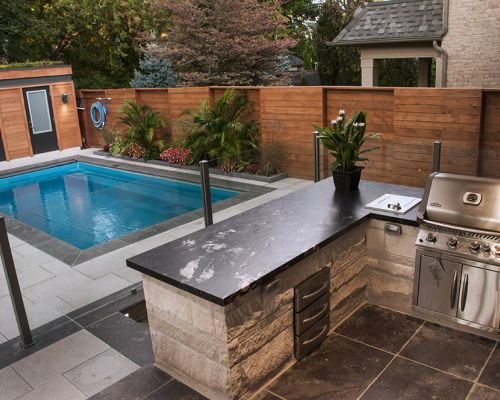
Transforming Toronto yards into beautiful, sustainable outdoor retreats is about more than just planting a few flowers or installing a deck. It’s about creating personal sanctuaries that enhance daily life while respecting the environment. As urban spaces grow tighter and greener options become more valued, homeowners are increasingly looking for ways to turn their backyards into private escapes for relaxing, entertaining, and reconnecting with nature—all within the city limits. The goal is to craft outdoor environments that are visually appealing, functional, and resilient through changing seasons and weather conditions.
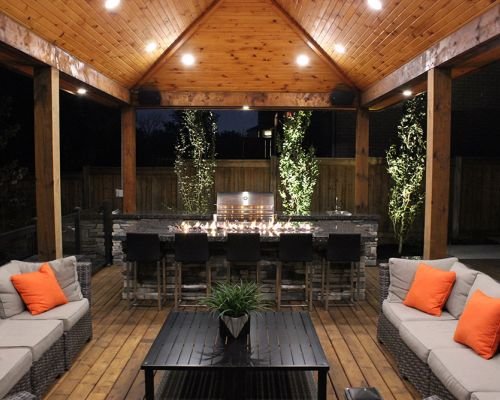
A well-designed outdoor retreat adds significant value to a home, blending beauty with practicality. But these spaces serve a deeper purpose: providing a peaceful refuge from the stresses of modern life. Incorporating lush greenery, water features, comfortable seating, and ambient lighting, these retreats become harmonious environments that invite relaxation and joy. This isn’t just about aesthetics; it’s about designing a space that feels natural, balanced, and true to the homeowner’s personal style.
Sustainability plays a central role in modern landscape design in Toronto. Choosing native plants that thrive locally reduces the need for excessive watering, fertilizers, and chemicals, supporting local biodiversity and making landscapes more resilient. Sustainable features like rain gardens and permeable paving help manage stormwater naturally, reducing environmental impact while maintaining beauty. Using eco-friendly materials ensures the space remains durable and low-maintenance, allowing homeowners to enjoy their outdoor retreat without constant repairs or upkeep.
Every successful transformation begins with understanding each client’s unique lifestyle and vision. Clear communication and careful planning translate their ideas into practical, eco-conscious layouts. Every element—from plant selection to materials and features—should serve a purpose, creating a cohesive space that feels both personal and sustainable. When completed, these yards become more than just attractive landscapes; they develop into functional, lasting retreats that foster peace and a stronger connection to nature.
The process of turning a backyard into a stunning outdoor retreat combines creativity with practicality. Layered plantings, functional zones, and eco-friendly features work together to produce spaces that are not only visually striking but also environmentally sound. When executed properly, these projects demonstrate that beauty and sustainability can coexist, creating outdoor environments that support both the well-being of residents and the health of Toronto’s urban ecosystem.
Principles of Sustainable Landscape Design
Creating environmentally responsible outdoor spaces begins with working in harmony with nature rather than against it. Native plants are the foundation of this approach; they are naturally adapted to Toronto’s climate and soil, requiring less water, fertilizers, and chemical treatments. This not only supports local biodiversity but also results in a resilient landscape that can withstand seasonal changes and weather extremes with minimal intervention. Choosing native species simplifies maintenance and reduces long-term costs, making sustainability a practical choice for homeowners.
Designing for water efficiency is equally crucial. Incorporating features like rain gardens, permeable pavers, and drip irrigation helps manage stormwater naturally, reducing runoff and preventing erosion. Rain gardens absorb excess water during heavy rains, while permeable surfaces allow water to seep into the ground, filtering pollutants and replenishing groundwater. These strategies conserve water and lower utility bills, all while maintaining a lush, healthy landscape. Using eco-friendly materials such as recycled pavers or reclaimed wood further minimizes environmental impact and enhances durability.
Biodiversity is at the heart of a balanced, self-sustaining yard. A layered planting scheme that includes trees, shrubs, perennials, and ground covers creates diverse habitats that attract pollinators, birds, and beneficial insects. This diversity naturally controls pests and reduces the need for chemical treatments, fostering an ecosystem capable of thriving with less human input. Native plants complement this ecological network, supporting local wildlife and contributing to a vibrant, lively outdoor space that remains resilient through changing seasons.
Eco-conscious material choices also play a key role. Recycled, organic, and sustainably sourced materials reduce the carbon footprint of landscape projects. Durable, long-lasting features—such as organic fertilizers, recycled stone, and reclaimed wood—age gracefully and require less frequent replacement. Designing with longevity in mind ensures the landscape remains beautiful and functional for years, decreasing the environmental and financial costs associated with upkeep.
Involving homeowners in this process is essential. Educating clients about the benefits of native plants, water-saving features, and eco-friendly materials helps foster long-term commitment to sustainability. Clear communication ensures that design choices align with their values and lifestyle, resulting in outdoor spaces that are not only beautiful but also environmentally responsible. By embracing these principles, landscape designers in Toronto can craft outdoor retreats that are resilient, low-maintenance, and in harmony with the local ecosystem.
Harnessing Toronto’s Climate and Native Plants for Resilient Gardens
Using plants that are well-suited to Toronto’s climate is one of the most effective ways to create a sustainable outdoor space. Native plants, which have evolved naturally in the region, are built to withstand Toronto’s seasonal shifts—from hot summers to cold winters. They require less watering, fewer fertilizers, and minimal chemical treatments, making them an eco-friendly choice that supports local biodiversity. When native species thrive, they create a resilient landscape capable of handling weather extremes with minimal intervention, saving time and resources for homeowners.
Choosing native plants also means creating a landscape rooted in its environment. These plants are adapted to Toronto’s soil and climate, so they tend to grow stronger and healthier without the need for constant care. This resilience makes them less prone to pests and disease, reducing the reliance on chemical interventions. Over time, native plants establish themselves more easily, requiring less replanting or replacement, which lowers ongoing maintenance costs and environmental impact.
Designing with native species isn’t just practical — it’s about honoring the local ecosystem. Layering different types of native plants, from tall trees to ground covers, adds visual interest while supporting a diverse habitat. This variety attracts pollinators, birds, and beneficial insects, creating a lively outdoor environment that naturally balances itself. The ecological benefits extend beyond aesthetics, helping to control pests and improve overall garden health without heavy chemical use.
Eco-friendly practices complement native planting. Replacing traditional paving with permeable surfaces allows stormwater to naturally seep into the ground, reducing runoff and preventing erosion. Organic fertilizers and compost enrich the soil naturally, promoting healthy growth without synthetic chemicals. These strategies work together to build a landscape that’s both beautiful and environmentally sustainable, capable of thriving despite Toronto’s variable weather patterns.
Involving homeowners in selecting native plants fosters a sense of connection and responsibility. When clients understand how these plants are tailored to Toronto’s environment, they’re more likely to embrace ongoing care and maintenance. Educating them about the ecological and long-term benefits encourages commitment to sustainability, ensuring the landscape remains resilient and vibrant for years to come.
Choosing climate-appropriate native plants aligns design with nature’s rhythms, creating outdoor spaces that are easier to maintain and more durable over time. It reduces the need for extensive watering, chemical treatments, and pest control—saving resources and supporting the local ecosystem. This approach turns a typical yard into a thriving, eco-conscious retreat that truly integrates with Toronto’s natural landscape.
Overall, prioritizing native plants in landscape design offers a practical, sustainable foundation for outdoor spaces. Their inherent resilience, support for biodiversity, and compatibility with local conditions make them an ideal choice for long-lasting, low-maintenance yards. When combined with eco-friendly features and thoughtful planning, native plants elevate outdoor retreats into harmonious environments that benefit both residents and the environment.
Real-World Applications: Crafting Eco-Friendly Outdoor Retreats
Real-world projects bring sustainable landscape principles to life, demonstrating how thoughtful design and eco-friendly choices can transform ordinary yards into stunning outdoor retreats. One Toronto backyard renovation seamlessly integrated native plantings, permeable pavers, and a rain garden—features that work together to manage stormwater naturally while creating a lush, inviting space. These projects highlight the importance of listening closely to clients’ desires, whether they seek a low-maintenance garden or a vibrant area for entertaining, then translating those ideas into practical, sustainable layouts.
Designing with sustainability in mind requires balancing beauty and function. For instance, layering native shrubs, perennials, and trees creates a vibrant habitat that thrives with minimal intervention. Using eco-conscious materials like recycled pavers and organic fertilizers further reduces environmental impact. The result is a landscape that not only looks stunning but also withstands Toronto’s seasonal shifts, proving that eco-friendly choices can elevate aesthetic appeal while supporting long-term resilience.
Water features are also a key element in recent projects. A sleek fountain and minimalist pond, built with eco-friendly materials, add tranquility without overwhelming the space. When combined with smart irrigation systems, these features help homeowners enjoy lush landscapes while conserving water. Such innovations showcase how integrating functional elements enhances outdoor retreats and aligns with sustainability goals, making the space both beautiful and environmentally responsible.
The process often begins with understanding the homeowner’s lifestyle and preferences. In one case, a family wanted a versatile space for entertaining, relaxing, and supporting local wildlife. Incorporating native plants, a pollinator garden, and designated zones for gatherings created a balanced environment that met all their needs. This collaborative approach ensures the final design feels personal and eco-conscious, turning their vision into a sustainable reality.
Site analysis plays a crucial role, helping designers identify natural drainage patterns and existing vegetation. Respecting the landscape prevents costly mistakes like poor drainage or incompatible plant choices. Throughout construction, regular communication keeps clients engaged and confident. This attention to detail transforms conceptual plans into tangible, eco-friendly landscapes that are both functional and inspiring.
These projects demonstrate that sustainable landscape design isn’t just theoretical—it’s practical and adaptable. Combining native plants, eco-friendly materials, and innovative features results in outdoor spaces that are both visually striking and low-maintenance. They serve as models for future renovations, showing how environmental responsibility and aesthetic appeal can go hand in hand. With careful planning and collaboration, Toronto yards can become inspiring retreats that support both people and the planet.
Future Horizons: Innovations and Trends in Toronto’s Outdoor Spaces
Looking ahead, the future of outdoor retreats in Toronto is set to be shaped by innovative technology and a stronger focus on sustainability. Smart features like automated irrigation systems, solar-powered lighting, and weather sensors will become more commonplace, making maintenance easier and more eco-friendly. These tools help homeowners conserve water and energy while keeping their gardens lush and vibrant year-round. As costs decrease and technology advances, integrating smart solutions will be a standard part of creating resilient, low-impact outdoor spaces.
Designs will also become more adaptable. Future landscapes will feature modular, flexible elements—such as movable planters, retractable shade structures, and multi-purpose zones—that evolve with homeowners’ changing needs. This approach extends the lifespan of outdoor environments, reducing waste and the need for complete overhauls. Native, drought-tolerant plants will dominate, supporting water conservation during dry spells and minimizing maintenance. These adaptable landscapes will emphasize ease of care while maintaining their aesthetic appeal.
Maximizing small urban yards will be another key trend. Vertical gardens, rooftop decks, and clever spatial planning will turn limited outdoor spaces into lush retreats. These innovations not only optimize every inch but also enhance air quality and support local biodiversity. As density increases across Toronto, designers will need to think creatively—using every available surface and multi-functional features—to craft outdoor sanctuaries that feel expansive despite their size.
Technology’s role will deepen with the use of digital tools that streamline planning and management. Virtual reality previews will help clients visualize their projects before work begins, while app-controlled systems will enable real-time adjustments to watering, lighting, and climate conditions. Sensors monitoring soil health and plant needs will keep landscapes thriving with minimal effort. This tech-driven approach makes sustainable landscaping more accessible and engaging, empowering homeowners to take an active role in maintaining their outdoor retreats.
Staying at the forefront of this evolving landscape requires ongoing learning and openness to new ideas. Landscape professionals will need to stay updated on emerging materials, innovative planting techniques, and eco-conscious practices. Homeowners can contribute by researching native plants and choosing designers committed to sustainability. Together, these efforts will ensure Toronto’s outdoor retreats continue to be inspiring, resilient, and environmentally responsible spaces that meet the challenges of tomorrow while enhancing quality of life today.

Related Posts
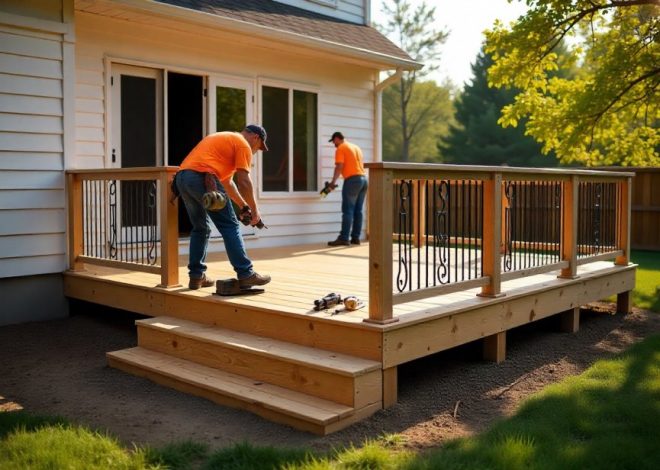
Create Your Dream Outdoor Retreat with a Custom Deck
Transform Your Yard Into a Sustainable Outdoor Sanctuary