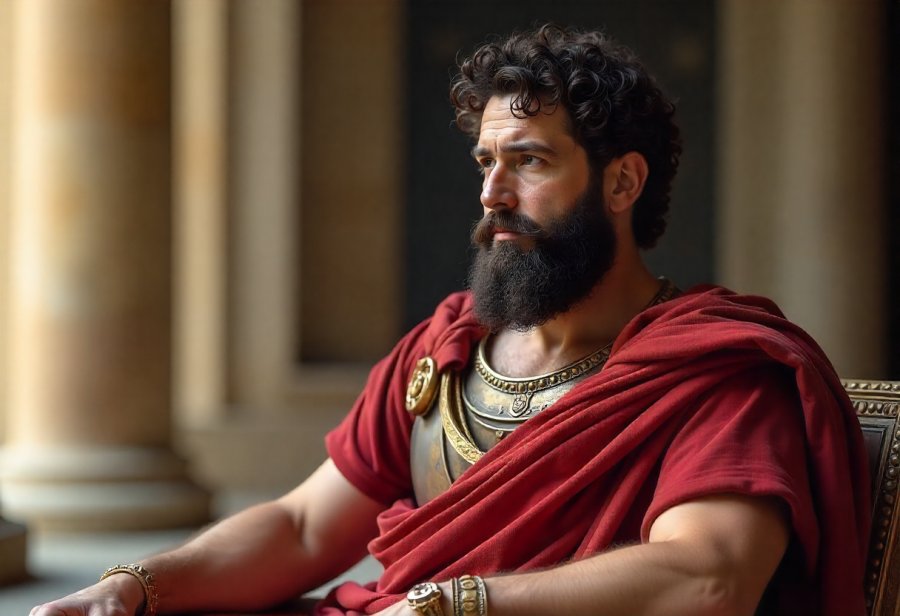
Inner Discipline: The True Source of Lasting Leadership
Could the greatest power of a leader lie not in conquest but in inner discipline and moral resilience? Marcus Aurelius exemplifies this paradox—a ruler who governed an empire while cultivating self-mastery through Stoic virtues. His life challenges our conventional views, suggesting that true strength emerges from governing oneself amid chaos, not from external victories. This insight invites us to reconsider the essence of leadership: is influence rooted in superficial success or in the quiet authority of inner virtues like wisdom, temperance, and justice? As the world grows more complex and fast-paced, the importance of inner resilience becomes even clearer. Developing daily habits of reflection and virtue can forge a mental fortress capable of withstanding external upheavals. The legacy of Marcus Aurelius reminds us that authentic power begins within, shaping leaders who inspire trust, endure crises, and leave lasting impact—not through dominance, but through disciplined mastery of the self.
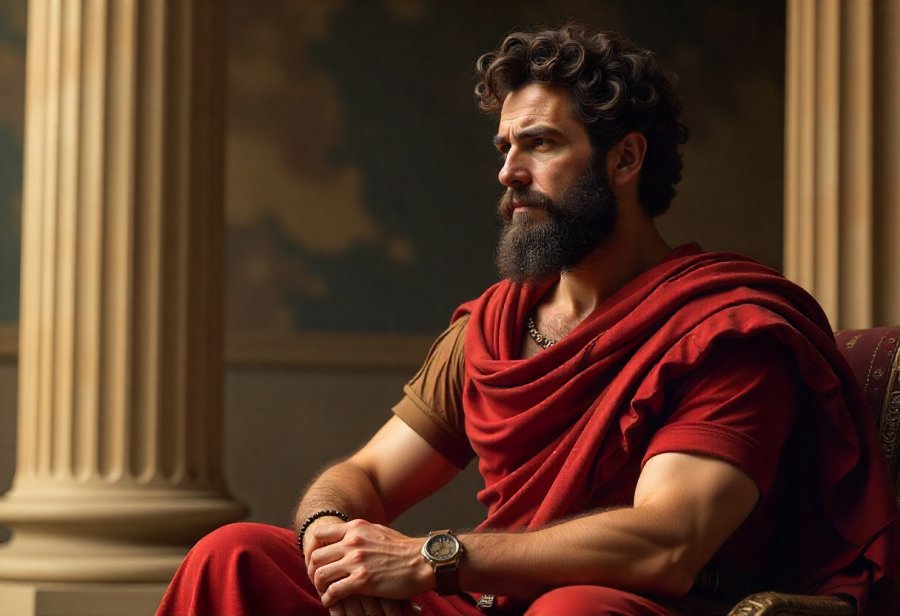
Inner Discipline: The True Power Behind Great Leadership
Throughout history, strength has often been measured by outward achievements—vast armies, sprawling territories, or political influence. But what if true power isn’t about what’s visible on the surface? What if the deepest strength comes from within—anchored in self-discipline, resilience, and moral clarity? This idea challenges the traditional view of leadership and invites us to consider a different kind of influence. Marcus Aurelius, the Roman emperor and Stoic philosopher, exemplifies this paradox. His life shows that real leadership depends more on mastery over oneself than on external conquests or displays of dominance.
Marcus’s story encourages us to rethink what it means to be powerful. Despite a reign filled with wars, plagues, and political upheaval, he maintained remarkable steadiness. His writings in Meditations reveal a leader who prioritized self-awareness and moral purpose amid chaos. His ability to govern wisely wasn’t rooted in military successes but in daily reflection, self-control, and philosophical inquiry. These qualities allowed him to face adversity with calmness and clarity, demonstrating that true strength is more about internal resilience than superficial victories.
Understanding inner discipline shifts our perspective on leadership itself. Instead of chasing fleeting external successes, it emphasizes virtues like resilience, integrity, and mental clarity. Marcus Aurelius showed that a leader’s true influence hinges on their capacity to govern their own thoughts and emotions. This internal mastery creates a foundation for authentic authority—one that endures beyond the ups and downs of external circumstances. Cultivating inner discipline transforms leadership from superficial displays into a lasting legacy rooted in character.
This focus on inner mastery isn’t just a philosophical ideal; it’s a practical approach. Leaders who develop inner discipline are better equipped to make thoughtful decisions, inspire trust, and lead with integrity. During crises, their calm and moral clarity act as anchors for others. Marcus Aurelius’s example reminds us that the greatest empire a leader can build is within themselves. True power begins with governing one’s mind and spirit—an internal empire that remains steady in the face of external chaos.
Building the Foundations of Self-Mastery and Effective Leadership
Inner discipline extends beyond simple self-control; it forms the core of genuine strength. It’s about being aware of your thoughts and emotions, then deliberately choosing how to respond rather than reacting instinctively. Philosophies like Stoicism have long emphasized that while external circumstances are often beyond our control, our internal reactions remain entirely within our power. Marcus Aurelius exemplified this through his daily practices of reflection and journaling, which helped him cultivate resilience by examining his virtues, thoughts, and actions. A leader rooted in inner discipline doesn’t suppress feelings but understands and channels them in service of higher principles.
At its heart, inner discipline is about self-governance through virtue. Resisting fleeting temptations and maintaining a steady moral compass aren’t about perfection but about consistency. Wisdom, in this context, isn’t just knowledge but the practical application of life’s truths. It guides leaders to act with moral clarity, balancing courage, temperance, and justice. When these virtues are practiced regularly, they foster trust because they are rooted in authenticity and consistency. Leaders who govern themselves well set an example, creating a ripple effect of moral strength that extends well beyond external displays of power.
Marcus Aurelius’s reign provides a clear illustration of how internal discipline shapes effective leadership. Despite relentless military conflicts, political unrest, and personal hardships, he remained committed to Stoic ideals. His Meditations reveal a leader who used daily reflection to detach from fleeting emotions and focus on his moral purpose. This internal mastery gave him the clarity to make tough decisions with humility and integrity. His ability to govern his own mind under pressure was what made his leadership resilient and respected, even in chaos.
Focusing solely on external power—territories, influence, or military victories—can be dangerous. These achievements often breed complacency or arrogance, leaving leaders vulnerable when circumstances shift. History shows that rulers overly fixated on external displays of power tend to falter once superficial foundations crack. In contrast, Stoic leaders who prioritize internal virtues build a resilient core that sustains influence through inner strength, regardless of external setbacks. This internal foundation offers steadiness that endures beyond fleeting external successes.
This emphasis on internal virtues isn’t just philosophical theory—it’s practical. Leaders who cultivate resilience, wisdom, and moral clarity develop a mental toughness that helps them navigate crises more effectively. Their calm, steady presence becomes a stabilizing force for those they lead. As Marcus Aurelius demonstrated, authentic authority arises from within, rooted in inner discipline, not external trophies. This inward focus creates a leadership style that remains impactful long after external achievements fade.
Developing inner discipline involves establishing simple, consistent habits. Dedicating a few minutes each day to reflection—whether through journaling, meditation, or quiet contemplation—reinforces self-awareness and mental clarity. These moments create space to pause, evaluate thoughts and emotions, and realign with your core principles. Over time, this regular practice strengthens your ability to respond thoughtfully instead of react impulsively, especially under pressure. It’s through this ongoing effort that resilience is built, and inner strength becomes second nature.
Protecting your mental space from external distractions is equally vital. Limiting exposure to negativity and unhelpful influences, while focusing on activities that reinforce your virtues, helps maintain perspective. Cultivating gratitude and practicing mindfulness prevent reactive tendencies, fostering a calm and confident mindset. These deliberate choices create a mental foundation that supports steady decision-making and authentic leadership. As routines solidify, they naturally extend into your interactions, shaping a leadership style rooted in integrity and resilience.
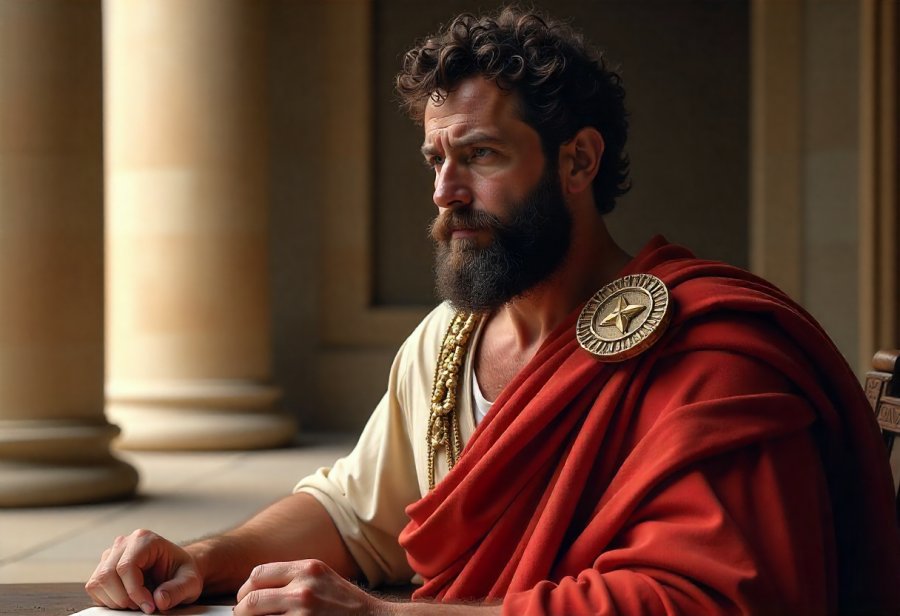
Stoic Wisdom as the Bedrock of Inner Strength and Resilient Leadership
Stoicism offers a powerful lens for understanding why inner discipline equates to true strength. At its core, the philosophy teaches that we cannot control external events, but we possess full command over our reactions, judgments, and emotions. This shift from external circumstances to internal mastery is crucial for leaders seeking resilience and moral clarity. Marcus Aurelius’s writings, especially in his Meditations, embody this idea vividly. He reminds himself that genuine strength resides in governing the mind, not in size of armies or territorial gains.
The virtues central to Stoicism—wisdom, courage, temperance, and justice—serve as mental tools to develop self-mastery. Wisdom guides us to focus on what’s within our control and respond accordingly. Courage helps us face difficulties without flinching, while temperance keeps impulses in check. Justice ensures our actions align with moral principles. When these virtues are practiced daily, they reinforce inner resilience, enabling leaders to stay calm and composed amid chaos. This internal strength becomes the true measure of leadership, more enduring than external displays of power.
Marcus Aurelius exemplifies these principles. Despite relentless military conflicts, political unrest, and personal hardships, he remained committed to Stoic ideals. His Meditations reveal a leader who used daily reflection to detach from fleeting emotions and focus on higher moral purposes. This internal discipline provided the clarity to make tough decisions with humility and integrity. It was his ability to govern his own mind under pressure that made his leadership resilient and respected, even in turbulent times.
Focusing solely on external achievements—territories, influence, or military victories—can be perilous. These accomplishments often breed complacency or arrogance, leaving leaders vulnerable when circumstances change. Many rulers who fixate on superficial power find their influence fragile, crumbling when their foundations are shaken. In contrast, Stoic leaders who prioritize internal virtues build a resilient core that sustains influence regardless of external setbacks. This inward focus offers steadiness that endures beyond fleeting external successes.
This emphasis on internal virtues isn’t just philosophical theory—it’s practical. Leaders who cultivate resilience, wisdom, and moral clarity develop a mental toughness that helps them navigate crises more effectively. Their calm, steady presence acts as a stabilizing force for those they lead. As Marcus Aurelius demonstrated, authentic authority arises from within, rooted in inner discipline rather than superficial trophies. This inward focus creates a leadership style that remains impactful long after external achievements fade.
By embracing Stoic principles, leaders learn that true power isn’t about control over the world but mastery over oneself. Building this internal discipline through daily reflection and virtue cultivation creates an unshakeable foundation. It enables them to face uncertainty with confidence, act with integrity, and inspire trust. In a world of constant change, this inner resilience becomes the key to lasting influence, proving that the greatest strength is often the one cultivated inside.
Practical Steps to Cultivate Inner Discipline and Lead from Within
Cultivating inner discipline starts with establishing simple, consistent habits. Dedicating a few minutes each day to reflection—whether through journaling, meditation, or quiet contemplation—helps reinforce self-awareness and mental clarity. These moments create space to pause, assess your thoughts and emotions, and realign with your core principles. Over time, this regular practice strengthens your ability to respond thoughtfully rather than react impulsively, especially when pressure mounts.
Building inner discipline also involves setting clear intentions rooted in your virtues. Defining qualities like patience, honesty, or humility and revisiting them regularly serve as moral anchors. When tough decisions arise or chaos erupts, grounding yourself in these principles makes it easier to act with integrity and purpose. Consistency is key: discipline isn’t about occasional effort but about creating routines that gradually embed virtues into daily life, turning them into second nature.
Practicing Stoic exercises can further boost resilience. Start each morning by visualizing potential setbacks or frustrations and imagining calm, rational responses. Throughout the day, check in with your thoughts and emotions, intentionally facing small difficulties—delays, inconveniences, or annoyances—to build mental toughness. In the evening, reflect on whether you stayed aligned with your values. Repeating these habits cements a habit of self-control that becomes second nature in moments of crisis.
Protecting your mental space from external distractions is equally vital. Limit exposure to negativity or unhelpful influences and focus on activities that reinforce your virtues. Cultivating gratitude and maintaining perspective prevents reactive tendencies and fosters resilience. These small, deliberate choices create a mental foundation that allows you to navigate challenges with calm and confidence, rather than overwhelm or frustration.
Remember, developing inner discipline isn’t a one-time achievement but an ongoing process. Expect setbacks and moments of weakness—they’re part of growth. What matters is your willingness to return to your routines and reflect honestly on your progress. Each deliberate step—whether through reflection, virtue, or resilience exercises—strengthens your capacity to lead from within. This internal strength inspires trust and loyalty in others, proving that true leadership begins with governing oneself first.
As you deepen your practice, these habits naturally extend into your decision-making and interactions. When you govern your mind with intention, external chaos becomes less disruptive. Your responses grow steadier, more thoughtful, and aligned with your values. Over time, this internal discipline transforms not only your leadership style but also your influence, making it more authentic and enduring.
Incorporating these routines into daily life creates a ripple effect—your example inspires others to pursue their own inner mastery. Leaders who prioritize internal work cultivate teams rooted in trust and integrity. They foster a culture where moral clarity and resilience are valued over superficial displays of power. This shift from external conquest to internal strength ultimately leads to more sustainable, impactful leadership.
The journey toward inner discipline is continuous, but each step taken reinforces the foundation of authentic leadership. By committing to daily reflection, virtue, and resilience, you develop a mental fortitude that withstands external upheavals. This inner strength becomes your greatest asset, enabling you to lead with calm, clarity, and moral authority—qualities that stand the test of time and turbulence alike.
Looking Ahead: The Future of Wise Leadership Rooted in Inner Strength
As we look ahead, the importance of inner discipline and wise leadership continues to grow in a world that’s becoming faster and more complex. With information overload, social media influences, and moral dilemmas constantly reshaping our landscape, leaders who prioritize self-mastery will stand out more than ever. Developing inner resilience isn’t just a personal benefit; it’s a strategic advantage that helps navigate uncertainty and make morally grounded decisions. Increasingly, organizations are recognizing this shift and integrating mindfulness and emotional intelligence into their leadership development, fostering steadiness and clarity in turbulent times.
Technological advancements promise new ways to cultivate inner strength. Tools like virtual reality, biofeedback devices, and AI coaching could soon offer immersive, real-time training in self-control and resilience. Imagine experiencing simulated high-pressure scenarios that teach calmness or receiving personalized feedback that reinforces virtues like patience and humility. These innovations make developing inner discipline more accessible, tailored to individual needs, and seamlessly integrated into daily routines—broadening the reach of this vital skill and making it an essential part of leadership growth.
A new generation of leaders is emerging—those who see internal virtues like integrity, humility, and emotional regulation as core to their influence, not optional extras. Education systems and leadership programs increasingly emphasize these qualities alongside technical skills. This signals a future where success depends as much on moral clarity and mental toughness as on external achievements. Cultivating resilience and inner strength early on creates leaders capable of handling crises calmly, fostering trust, and inspiring loyalty through authenticity rather than superficial displays of power.
The timeless lessons from Marcus Aurelius and Stoic philosophy remain as relevant as ever. Inner discipline isn’t about suppressing feelings but understanding and channeling them wisely. As external challenges multiply, the ability to govern one’s thoughts and reactions becomes essential. Leaders who invest in this inner work will be better equipped to face crises, act with integrity, and inspire others. Their influence rooted in internal virtues will prove more enduring than fleeting external victories, shaping a legacy grounded in genuine strength.
Looking forward, embracing inner discipline as a core leadership trait can transform how influence is built and sustained. It requires ongoing effort—reflection, virtue cultivation, resilience exercises—but the payoff is a steadiness that withstands any storm. As more individuals and organizations recognize that true strength comes from within, we will see a shift toward leadership rooted in authenticity, moral clarity, and mental resilience. These qualities ensure influence remains resilient through change and upheaval, forging a path toward more sustainable and impactful leadership.
In the end, the future of leadership depends on understanding that external power alone isn’t enough. Lasting influence arises from cultivating inner discipline—an ongoing pursuit that nurtures integrity, stability, and moral authority. Just like Marcus Aurelius, those who master themselves can govern not only their own lives but also influence others with authenticity and purpose. Developing this inner empire of discipline and wisdom isn’t just a timeless ideal; it’s the foundation for resilient, genuine leadership in an uncertain world.



