
Stay Safe and Confident with Essential Winter Tire Tips
Driving in winter conditions presents unique challenges that demand more than just cautious driving—they require the right equipment. Winter tires are often touted as essential for better grip and control on icy, snow-covered roads, but are their safety benefits truly worth the investment? This exploration reveals that winter tires, with their specialized rubber compounds and deeper, more intricate tread patterns, offer measurable safety advantages, including shorter braking distances and improved stability. These features enable drivers to navigate treacherous surfaces like black ice and packed snow more confidently. Yet, even with premium tires, safe winter driving hinges on smart habits: reducing speed, increasing following distances, and maintaining vehicle readiness. The question remains—are winter tires just a costly myth, or an indispensable tool for winter safety? Discover the truth behind their performance and learn how proper use can transform winter driving from perilous to manageable.

Navigate Icy Roads Safely with the Right Winter Tires
Driving in winter conditions can be a real challenge, especially when icy roads, snow, and slush become the norm. For many drivers, it’s not just about reaching their destination but doing so safely amid these hazards. As temperatures drop, the risk of slipping, skidding, and losing control increases, making winter driving more unpredictable and stressful. This is why discussions about winter tires are becoming a regular part of seasonal car maintenance routines—they’re seen as a key safety upgrade for navigating cold-weather roads.
Some drivers wonder whether investing in winter tires is worth the extra expense. They’ve heard about their benefits but also face skepticism—after all, isn’t careful driving enough? The truth is, winter tires are designed specifically to meet the unique demands of cold, icy conditions. Their specialized rubber compounds and tread patterns are engineered to provide better grip, shorter braking distances, and more control when roads are slick. This isn’t just a marketing pitch; it’s backed by tests and real-world experiences that show a tangible safety advantage.
Understanding what makes winter tires different helps clarify their value. Unlike all-season tires, which tend to stiffen and lose traction in freezing weather, winter tires stay flexible thanks to their unique rubber formulas. This flexibility allows them to mold better to icy patches and snow-covered surfaces, delivering more contact with the road and, consequently, more grip. Their deeper treads and tiny sipes—small cuts that create biting edges—are designed to dig into snow and ice, generating friction and preventing slips during acceleration, turning, and braking.
Many drivers assume they only need winter tires during heavy snowfalls or in extremely cold regions. However, even in milder winters, the benefits can be noticeable. The improved traction reduces stress and makes winter drives less daunting. With proper maintenance—such as regular rotation and correct inflation—winter tires can last several seasons, making them a smart investment for those facing consistent cold weather. They’re not just a safety feature; they’re a practical choice that can enhance everyday driving comfort and confidence.
Choosing to equip your vehicle with winter tires hinges on your local climate and driving habits. Their ability to stay flexible and bite into icy surfaces makes a real difference in safety. More than just a seasonal accessory, winter tires can be a crucial part of your winter safety toolkit. They help you stay in control, avoid accidents, and arrive at your destination with peace of mind—even when conditions turn treacherous.
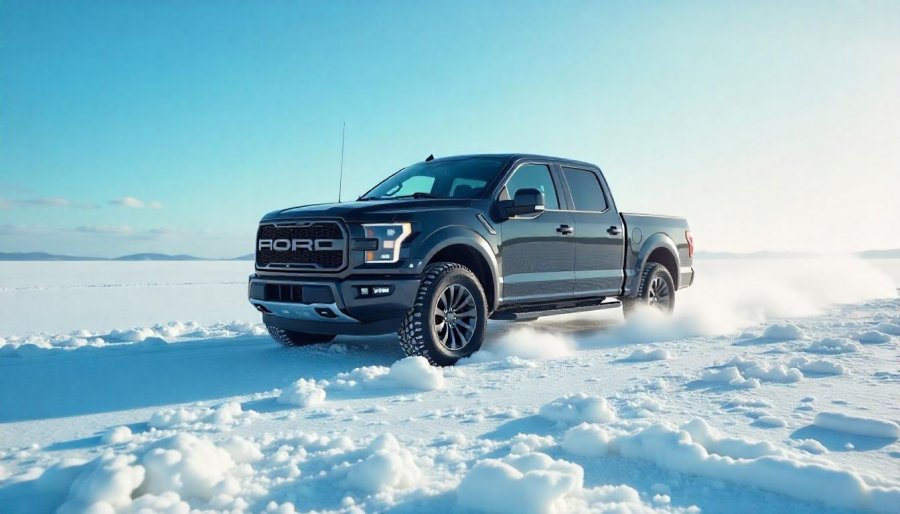
Discover What Makes Winter Tires Essential for Cold, Snowy Conditions
Winter tires are built specifically to handle the unique challenges of cold, snowy, and icy roads, making them an essential safety feature for winter driving. Unlike regular tires that tend to stiffen and lose grip as temperatures drop, winter tires use a specialized rubber compound designed to stay soft and flexible even in freezing conditions. This flexibility allows the tire to maintain better contact with the road, providing improved traction and stability when the weather turns harsh. The softer rubber also helps the tire adapt to uneven surfaces like snow, ice, or slush, giving drivers more control where it’s needed most.
The tread pattern on winter tires sets them apart from all-season options. They typically feature deeper grooves and more intricate designs, including numerous small sipes—tiny slits that create biting edges. These edges are critical because they grip icy and snowy surfaces more effectively by digging into the terrain and generating more friction. The increased surface contact and these biting edges help prevent slipping and skidding, especially on slick roads, making winter driving safer and more predictable.
Understanding these design features clarifies why winter tires outperform regular tires in cold weather. Their rubber remains pliable at low temperatures, ensuring grip isn’t compromised by stiffening. Meanwhile, the tread pattern’s deep grooves and sipes actively work to increase contact with the road surface, giving drivers better control during acceleration, steering, and braking. This combination of flexible materials and specialized design is what makes winter tires so effective at handling the hazards of icy and snowy conditions.
In snowy and icy conditions, the performance benefits of winter tires become especially obvious. The ability to generate more grip means shorter braking distances and more stable handling. For instance, on black ice, all-season tires tend to slide because their rubber hardens and they lack enough biting edges. Winter tires, with their flexible rubber and numerous sipes, can dig into the slippery surface and provide the traction needed to stop safely. This improved grip can be the difference between avoiding a collision and losing control.
Durability also plays a role in the appeal of winter tires. When maintained properly—by rotating them regularly, checking tire pressure, and using them appropriately—they can last multiple seasons. Many drivers worry that winter tires wear out quickly, but with good care, they remain effective over several years. This longevity makes them a cost-effective safety upgrade, especially in regions with frequent winter weather. Properly chosen and maintained winter tires offer both peace of mind and value over time.
Finally, it’s worth noting that winter tires come in various quality levels and price ranges. Higher-end models often feature more advanced rubber compounds and tread designs that deliver even better performance and durability. While budget options can suffice for milder winters, premium tires provide superior grip and longer lifespan in harsher conditions. Selecting the right set depends on your climate, driving habits, and budget, but the core features—flexible rubber and effective tread design—are what give winter tires their edge in cold, icy conditions.
Understanding these fundamental design elements helps drivers see winter tires as a vital safety tool rather than just an extra expense. Their ability to stay flexible and bite into icy surfaces makes a real difference when conditions are at their worst. Equipping your vehicle with the right winter tires ensures better control, shorter stopping distances, and greater confidence on icy roads. It’s a smart, practical step toward safer winter driving, especially in regions where winter weather is a regular obstacle.
Uncover the Proven Safety Benefits of Winter Tires on Icy Surfaces
Winter tires are widely acknowledged for their ability to improve safety and handling when driving on icy and snow-covered roads. Numerous tests and real-world experiences confirm that they provide a clear advantage over all-season tires in such conditions. With winter tires, stopping distances are noticeably shorter, and steering responses are more precise, giving drivers a better chance to react quickly and avoid potential accidents. This tangible difference underscores their importance for winter safety, especially in regions where icy roads are frequent.
The key to their superior performance lies in the unique rubber compound used in winter tires. Unlike typical tires that stiffen when temperatures drop, the specialized rubber in winter tires stays soft and pliable at freezing temperatures. This flexibility allows the tire to maintain more contact with the road surface, increasing grip and stability. When roads are slick with ice or packed with snow, this enhanced contact translates into more controlled acceleration, better steering, and shorter braking distances, significantly reducing the risk of skidding or losing control.
Beyond the rubber, the tread design of winter tires plays a crucial role. These tires feature deeper grooves and a higher density of sipes—small slits that create biting edges. These edges actively grip icy and snowy surfaces by digging into them and generating additional friction. The design allows the tire to cut through snow and ice more effectively than all-season tires, providing a much-needed safety boost in winter conditions. The combination of flexible rubber and intricate tread patterns creates a tire that is well-equipped to handle the hazards of cold, slippery roads.
Evidence from both laboratory tests and everyday driving confirms that winter tires deliver measurable safety benefits. On icy surfaces, the difference in grip can be the deciding factor between a safe stop and a dangerous slide. Drivers report that their vehicles respond more predictably, with shorter stopping distances and more confident handling. These improvements are particularly vital during sudden stops or emergency maneuvers, where every fraction of a second counts. The performance gap becomes even more apparent in severe winter weather, making winter tires a critical safety upgrade for those facing icy conditions regularly.
While no tire can eliminate all risks associated with winter driving, the performance gains offered by winter tires are significant and well-documented. Proper use—such as maintaining correct tire pressure, rotating tires regularly, and selecting appropriate models—ensures these benefits are maximized. Combined with cautious driving techniques like reducing speed and increasing following distances, winter tires can substantially enhance your safety and peace of mind. Their proven ability to improve traction and control makes them an invaluable tool for navigating winter’s unpredictable and often treacherous roads.
Master Practical Winter Driving Tips to Stay Safe and in Control
Driving safely in winter conditions involves more than just having the right tires; it’s about adopting smart habits every time you hit the road. Before you start your journey, check the weather forecast and plan your route to avoid the most hazardous spots. If icy patches are expected, slow down and increase your following distance—giving yourself extra space to react if conditions suddenly worsen. Gentle acceleration and braking are essential on slick surfaces, as abrupt movements can cause wheels to spin or the vehicle to skid.
Using winter tires provides a crucial safety advantage, but their benefits are maximized when combined with cautious driving techniques. Make sure your windows are clear of snow and ice, and that all your lights work properly so others can see you. Carry essentials like an ice scraper, a blanket, and a small emergency kit—simple items that can be lifesavers if you get stranded. These preparations help keep you warm and organized, turning a potentially dangerous situation into a manageable one.
On icy roads, reduce your speed significantly. Longer stopping distances mean you need to brake early and smoothly to avoid skidding. Steer gently and steadily—overcorrecting can lead to a loss of control. If your vehicle begins to slide, stay calm, steer into the skid, and ease off the accelerator. Winter tires help improve grip, but patience and controlled movements are what truly keep you safe during winter drives.
Maintaining a safe distance from other vehicles becomes even more critical in winter. More space means more time to stop or react if your car begins to slide or if traffic suddenly halts. This buffer zone reduces the risk of rear-end collisions and gives you room to maneuver around obstacles. When visibility drops due to snow or fog, turn on your headlights and slow down further. Rushing through hazardous conditions only increases the chance of losing control.
Regular maintenance also plays a key role. Check your tire pressure often, as cold weather can cause tires to lose air, reducing grip. Rotate your winter tires regularly to ensure even wear and maximize their lifespan. In regions with heavy snowfall, investing in dedicated winter tires makes a noticeable difference in handling and stopping power. Properly maintained tires combined with attentive driving habits are your best tools for navigating winter safely.
Remember, winter driving isn’t just about the tires—it’s about your overall approach. Stay alert, avoid aggressive maneuvers, and anticipate longer travel times. Adjust your speed to match road conditions, and keep a calm, steady demeanor behind the wheel. The more cautious you are, the safer your trip will be, regardless of how challenging the weather might be. A little preparation and patience can make all the difference between a safe arrival and an avoidable accident.



