Transform Your Business Communication with Custom Telephony Solutions
Imagine a world where your business communication system is tailored precisely to your needs—more efficient, reliable, and scalable than ever before. Could leveraging customized telephony solutions like Grandstream’s innovative devices truly revolutionize your workflows? This comprehensive guide explores the evolution of telephony from basic landlines to advanced VoIP and cloud-managed platforms, highlighting how these technologies streamline internal and external interactions. By analyzing your organization’s unique call patterns and workflows, you can deploy flexible, feature-rich IP phones that support auto-attendants, CRM integration, and dynamic call routing—transforming everyday communication into a strategic advantage. With centralized management tools like GDMS, deployment and maintenance become effortless, reducing downtime and empowering your team. As future trends point toward deeper digital integration and smarter management, the question remains: are you ready to harness the full potential of personalized telephony to propel your organization forward?
Elevate Your Business Communications with FiberConX’s Advanced VoIP Solutions in Canada
FiberConX Communications offers top-tier VoIP business and residential phone services across Canada, designed to enhance your communication experience. Our solutions feature robust functionalities such as voicemail, IVR, Ring Groups, and voicemail-to-mail, ensuring seamless connectivity and professional call management. For businesses seeking reliable hardware, explore our Grandstream IP Phones, renowned for their quality and integration capabilities. Whether you’re upgrading your office phone system or streamlining your residential communications, FiberConX has the expertise to meet your needs. Contact us today at 1.800.961.6856 or email [email protected] to learn more about our tailored VoIP solutions.
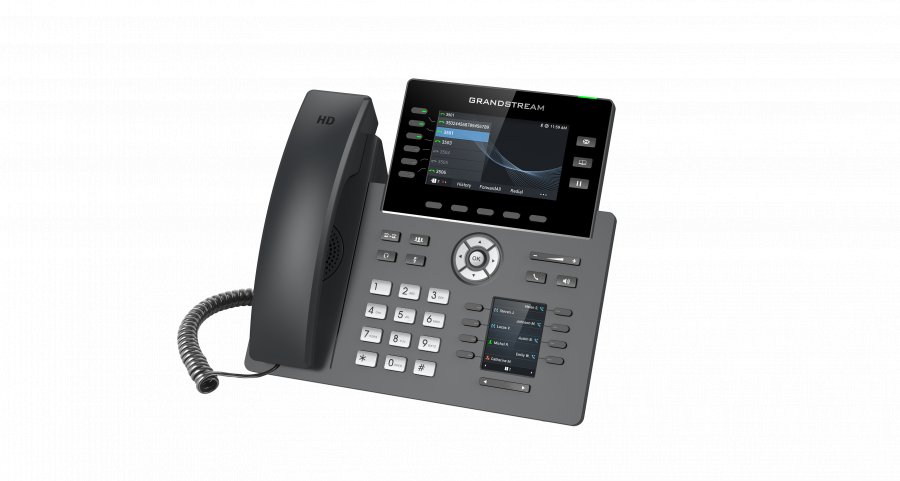
Transform Business Communication with Customized Telephony Solutions
Customized telephony solutions are changing the way businesses communicate, making interactions smarter, more efficient, and better aligned with unique needs. Instead of relying on generic systems that may not fit specific workflows, companies now have the option to design tailored setups that match their operations perfectly. This personalized approach helps reduce missed calls, streamline internal conversations, and boost overall productivity.
By leveraging cloud-managed devices like Grandstream’s IP phones, organizations gain scalable and reliable communication networks that grow with them. These solutions enable precise call routing, voicemail management, and CRM integration—all customized to support particular business processes. The result is a communication system that minimizes disruptions and ensures everyone stays connected, whether in a small startup or a large enterprise.
Implementing a personalized telephony system starts with understanding your organization’s specific communication challenges. Evaluating call volumes, team structures, and daily workflows helps identify the features that will make the biggest difference. Devices like Grandstream’s IP phones offer flexibility, supporting everything from simple call handling to complex auto-attendant setups, all of which can be tailored to meet your operational demands.
Cloud management platforms such as Grandstream’s GDMS simplify deployment and ongoing management. These tools allow remote configuration, monitoring, and updates across multiple locations, reducing the need for on-site support and minimizing downtime. With a centralized dashboard, IT teams can maintain consistency, troubleshoot quickly, and adapt the system as your business evolves.
Staff training plays a crucial role in maximizing the benefits of a customized system. Clear guidance on using features like call forwarding, voicemail, and auto-attendants ensures your team can operate the system confidently. When employees understand how to utilize their tools fully, internal communication improves, and customer interactions become more responsive and professional.
Choosing the right devices and features is key to a successful deployment. Proper planning and testing before rollout help prevent issues and ensure a smooth transition. Partnering with vendors like Grandstream, which offers comprehensive support and resources, further assures a reliable, scalable, and future-proof communication solution.
A tailored telephony system isn’t just a hardware upgrade; it’s a strategic move toward better business communication. When designed thoughtfully, it transforms your organization into a more connected, agile, and responsive entity—ready to meet current needs and adaptable enough to grow with future challenges.
Building Blocks of Modern Telephone Systems for Maximum Efficiency
Telephony systems form the backbone of modern business communication, seamlessly linking teams, customers, and partners across distances. Over the years, these systems have evolved from basic landlines into sophisticated VoIP (Voice over Internet Protocol) technology, which transmits voice data over the internet. This shift not only reduces costs but also unlocks new possibilities for integration, automation, and flexibility, making communication more adaptable to dynamic business environments.
Understanding the core elements of telephony—such as VoIP, IP phones, and centralized management platforms—helps clarify how these systems boost efficiency. VoIP replaces traditional phone lines with internet-based calls, enabling features like call forwarding, auto-attendants, and voicemail that enhance operational flow. IP phones, designed to connect directly to the network, replace older analog devices, offering clearer sound quality and more advanced capabilities. Centralized management platforms provide IT teams with a single interface to configure, monitor, and troubleshoot multiple devices remotely, simplifying maintenance and scaling.
Looking at the history of telephony reveals a clear trajectory toward smarter, more reliable systems. From early analog landlines to digital connections with better sound clarity, each step aimed to improve user experience and operational reliability. The advent of digital systems introduced features like voicemail and automatic call routing, laying the groundwork for today’s integrated solutions. The breakthrough came with VoIP technology in the early 2000s, which transitioned voice communication onto the internet, paving the way for cloud-based management and global scalability.
Emerging trends emphasize cloud integration and smart management tools. Platforms like Grandstream’s GDMS allow organizations to deploy, configure, and manage devices across multiple locations with ease. This cloud approach reduces dependence on on-site IT support and allows quick updates, troubleshooting, and device provisioning from anywhere. Devices such as Grandstream’s IP phones are built for rapid deployment and remote management, supporting organizations in maintaining agile, scalable communication networks.
Experts agree that grasping these fundamentals is essential for designing systems that genuinely enhance communication. Customizable features like call routing, auto-attendants, and voicemail tailored to specific workflows streamline internal processes and improve customer interactions. Centralized device management ensures consistent performance, reduces downtime, and allows organizations to adapt quickly to changing needs, turning their telephony infrastructure into a strategic advantage.
As telephony technology continues to advance, the focus remains on creating flexible, scalable, and reliable communication networks. Understanding these core principles empowers organizations to leverage new tools effectively, transforming their infrastructure from a simple necessity into a driver of productivity and growth. Embracing these fundamentals prepares businesses to meet future challenges with confidence, ensuring their communication systems remain a competitive edge.

Deploy Tailored Telephony Systems to Boost Your Business Operations
Deploying customized telephony solutions starts with a clear understanding of your organization’s unique communication needs. By analyzing call volumes, team structures, and daily workflows, you can pinpoint the features that will deliver the most value. For example, a busy customer service team might prioritize auto-attendants and call routing, while a sales team may focus on CRM integration and call forwarding. This targeted approach ensures the system is built around actual operational demands rather than generic assumptions.
Choosing the right devices is crucial to a smooth deployment. Grandstream’s IP phones support a broad range of functionalities, from basic call handling to complex auto-attendant systems. Their flexibility allows businesses to tailor features such as voicemail, call queues, and CRM integration to match specific workflows. Properly matching device capabilities to organizational needs helps prevent future bottlenecks and maximizes user adoption from day one.
Leveraging cloud management platforms like Grandstream’s GDMS simplifies both deployment and ongoing management. These tools enable remote configuration, monitoring, and updates across multiple locations, reducing the need for on-site support. With a centralized dashboard, IT teams can ensure consistent settings, troubleshoot issues swiftly, and adapt the system as the organization evolves without disrupting daily operations.
Planning your setup carefully before rollout minimizes disruptions. Mapping out which features are essential and testing configurations beforehand helps catch potential issues early. This proactive approach ensures staff are comfortable with the new system and that workflows transition smoothly, avoiding frustration and downtime. Clear documentation and training further empower users to leverage the system’s full potential.
Partnering with vendors like Grandstream provides added confidence through comprehensive support resources. Detailed documentation, online tutorials, and dedicated technical assistance streamline troubleshooting and provide guidance throughout deployment. These resources make it easier to address challenges quickly, maintaining system reliability and reducing downtime.
Scalability should be a core consideration during implementation. Building a flexible system that can easily expand—adding users, features, or locations—ensures your investment remains valuable over time. Thoughtful planning for future growth prevents the need for costly overhauls, allowing your telephony infrastructure to evolve seamlessly with your business.
Regular review and refinement are key to long-term success. Monitoring call data, gathering user feedback, and staying updated on new features help optimize the system. Small adjustments, such as refining call flows or enabling additional functionalities, keep the system aligned with changing needs and maximize return on investment.
A well-executed deployment transforms your communication infrastructure into a strategic advantage. It enhances internal collaboration, improves customer interactions, and supports your organization’s growth. With thoughtful planning, the right tools, and ongoing management, tailored telephony solutions become a vital component of your business’s success.
Real-World Strategies for Implementing Custom Communication Solutions
Implementing customized telephony solutions in the real world begins with a clear understanding of your organization’s specific communication needs. Analyzing call volumes, team structures, and daily workflows helps identify the most impactful features, whether it’s auto-attendants, call routing, CRM integration, or voicemail options. Choosing the right devices, like Grandstream’s IP phones, is essential—they support a wide range of functionalities that can be tailored to fit operational demands seamlessly.
Using cloud management platforms such as Grandstream’s GDMS simplifies deployment and ongoing maintenance. These tools enable remote configuration, monitoring, and updates across multiple locations, reducing the reliance on on-site support and minimizing downtime. A centralized dashboard allows IT teams to maintain consistency, troubleshoot quickly, and adapt the system as your organization grows, ensuring your communication infrastructure remains agile and reliable.
Careful planning before deployment helps avoid disruptions. Mapping out essential features and conducting thorough testing of configurations ensures staff are comfortable from day one. Clear documentation and user training empower employees to utilize features like auto-attendants and call forwarding fully, which improves internal workflows and enhances customer experiences. This proactive approach minimizes frustration and sets the stage for a smooth transition.
Partnering with vendors like Grandstream offers valuable support resources—detailed documentation, online tutorials, and dedicated technical assistance streamline problem-solving and facilitate a smooth rollout. These resources help address issues quickly, preserving system reliability and reducing downtime during and after deployment.
Building a scalable system is crucial. Design your telephony infrastructure to accommodate future growth—whether adding new users, features, or locations—without over-complicating the setup. Flexibility in expansion ensures your investment remains effective long-term, avoiding costly overhauls as your organization evolves.
Continuous review and refinement keep your system aligned with changing needs. Monitoring call data, gathering user feedback, and staying informed about new features allow you to make small adjustments that optimize performance. This ongoing management transforms your telephony setup from a basic communication tool into a strategic asset that boosts efficiency, improves responsiveness, and supports sustained growth.
Future-Proof Your Business: Embracing Innovative Telephony Technologies
Looking ahead, the significance of customized telephony solutions will only grow as organizations seek more flexible and scalable ways to communicate. Devices like Grandstream’s IP phones, combined with cloud management platforms, are transforming how businesses operate—making them more agile and responsive in a fast-changing digital landscape. Investing in these tools now positions your organization to adapt swiftly, respond to market shifts, and deliver superior experiences to both customers and staff.
These solutions go beyond simple upgrades; they are strategic assets that help reduce missed calls, streamline workflows, and enhance customer engagement. Features like call routing, auto-attendants, and personalized voicemail can be tailored to your specific processes, making communication more efficient and responsive. As your business expands, these systems can grow with you, supporting new users and additional features without extensive overhauls. This flexibility ensures your investment remains valuable long-term, avoiding costly disruptions and enabling continued growth.
Emerging trends point toward deeper integration of telephony with other digital tools, such as customer relationship management (CRM) systems and data analytics platforms. Cloud-based management will continue to improve, allowing remote configuration, troubleshooting, and updates with ease. These advancements will unlock new levels of operational insight, helping your business stay ahead of competitors and better serve your customers.
The real power of embracing these innovations lies in transforming your communication infrastructure into a core driver of growth. By continuously reviewing your setup, exploring new features, and leveraging vendor support, you turn your telephony system into a strategic advantage that boosts productivity and customer satisfaction. This proactive approach turns a technical necessity into a key element of your long-term success.
Staying open to ongoing innovation means your organization can capitalize on future developments in telephony technology. Those who prioritize flexible, personalized communication solutions will be better equipped to navigate challenges and seize opportunities. Making these investments today sets the foundation for a more connected, responsive, and competitive business tomorrow.