Underground Street Racing Culture: A Brotherhood of Speed and Loyalty
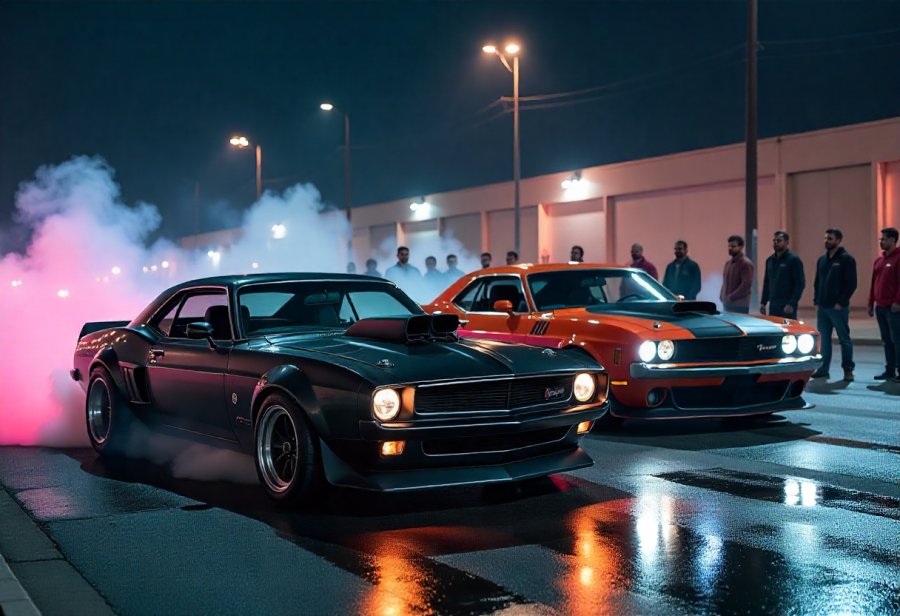
Underground street racing is more than just a rush of adrenaline; it’s a powerful kinship forged in shadows, built on trust, loyalty, and shared rituals. From clandestine meetups in deserted locations to meticulously modified cars that symbolize identity and allegiance, these crews form tight-knit communities rooted in tradition. How do these routines—secret signals, pre-race customs, and symbolic vehicle modifications—strengthen bonds amidst danger and illegality? The scene’s resilience relies on unspoken codes passed down through generations, creating an enduring brotherhood that transforms reckless speed into a collective way of life. Despite evolving technology and external pressures, these communities maintain their core values, finding new ways to preserve their identity and safety. As the scene adapts, the fundamental question remains: can the deep bonds of loyalty and tradition survive in a world increasingly exposed and regulated? Underground racing’s true power lies in its ability to turn chaos into a shared, unbreakable family.
Underground Street Racing: A Rebellion Born from Speed and Freedom
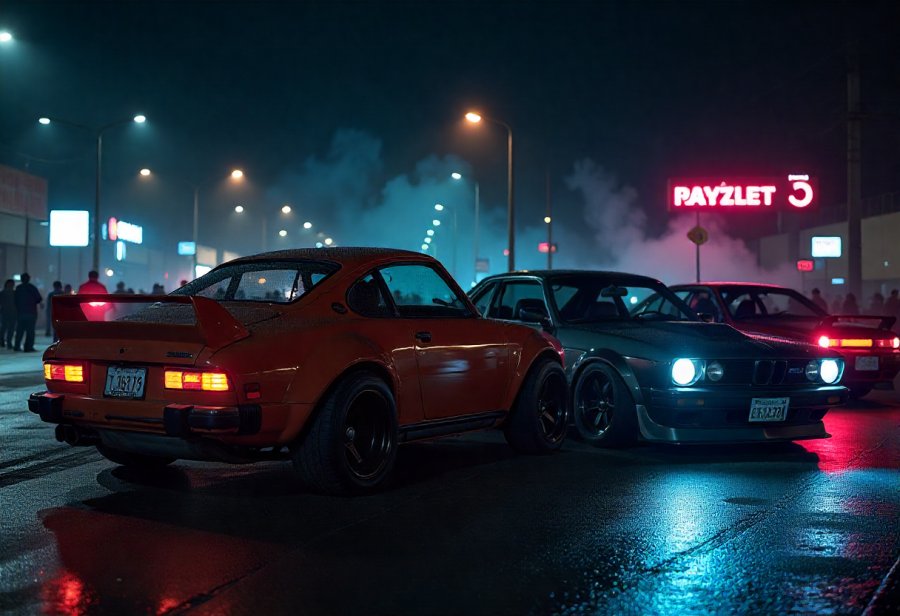
Underground street racing has long been a pulse of urban culture, born out of a desire for speed, rebellion, and a need to carve out a space beyond the reach of law and authority. It started quietly, with enthusiasts gathering in hidden locations like deserted parking lots, quiet backstreets, or abandoned warehouses, where legal racing wasn’t an option. These clandestine meets offered a raw, unfiltered outlet for adrenaline, allowing drivers to push their cars—and themselves—to the limit without interference or oversight.
Over time, what began as spontaneous acts of daring evolved into organized communities. Racers formed crews based on shared vehicle styles, modifications, or regional ties, creating close-knit groups rooted in trust and loyalty. These crews weren’t just about racing; they became families, developing rituals, symbols, and codes that reinforced their bonds. Secrecy and tradition fostered a sense of belonging that often felt more like kinship than a mere hobby.
The appeal of underground racing extends beyond the thrill of speed. It’s about standing apart from authority, carving out a space for self-expression and personal freedom. The danger and risk heighten the camaraderie, as racers depend on each other’s skills and trust during high-stakes, late-night races. These shared moments forge unbreakable bonds, built on adrenaline, mutual support, and the understanding that everyone is risking something together.
Cars serve as more than transportation—they are symbols of loyalty and identity. Custom modifications—paint jobs, decals, engine upgrades—are carefully chosen to signal crew membership and pride. Each vehicle becomes a moving badge of trust, a reflection of the driver’s commitment to their crew and shared values. These visual cues help foster a collective identity, turning everyday cars into symbols of kinship and community.
Despite the illegality and inherent risks, the cohesion within these communities remains strong. Racers see each other as family, sharing victories, setbacks, secrets, and support in a world that often feels isolating. Their bonds are forged through countless late-night runs and shared experiences, creating a resilient network rooted in loyalty, respect, and tradition. It’s this sense of kinship that sustains underground racing, transforming it from a reckless pursuit into a way of life.
This culture’s roots run deep, sustained by unspoken rules, rituals, and customs passed down through generations. Respect for teammates, loyalty to the crew, and adherence to shared codes are fundamental. These traditions, often informal, serve as the backbone of the scene, maintaining cohesion amid external threats. For many involved, underground racing is more than a sport—it’s a lifestyle fueled by friendship, trust, and a shared passion for speed.
Car Modifications and Rituals That Define Street Race Culture
Within underground street racing, customs and social norms are the glue that keeps communities tight-knit and authentic. Car modifications go beyond aesthetics; they serve as symbols of loyalty, pride, and personal identity. Bold paint jobs, decals, and custom body kits aren’t random choices—they signal crew affiliation and individual flair. When you spot a car with a specific emblem or color scheme, it’s an instant sign of belonging, transforming vehicles into mobile badges of trust and collective identity.
Rituals and traditions play a vital role in reinforcing bonds among racers. Pre-race handshakes, secret meeting spots, and coded language aren’t just gestures—they’re routines that cultivate trust and loyalty. Drivers often gather at designated locations before races, exchanging nods or signals that confirm allegiance. These small acts, passed down through generations, create a shared language that strengthens community ties and maintains order amid chaos.
Support and reliance are the backbone of these crews. Members depend on each other during high-stakes races, sharing tips on modifications and helping with repairs when law enforcement or rivals pose a threat. This mutual reliance isn’t just practical; it’s a reflection of their collective identity. Over countless late-night runs, these relationships deepen, built on respect, trust, and shared risks. Betraying that trust—through cheating or revealing secrets—can lead to exile or loss of respect, making secrecy and integrity non-negotiable.
Cars aren’t just transport; they’re symbols of loyalty and pride. Custom modifications—from aggressive body kits to engine upgrades—are carefully chosen to showcase skill and allegiance. Distinct decals or color schemes help members recognize each other instantly, turning vehicles into moving emblems of kinship. This visual language fosters a sense of pride and belonging, turning everyday cars into symbols of community and trust.
Unwritten rules and rituals, often passed down informally, are crucial for cohesion. Secret meetups, pre-race chants, and shared celebrations help maintain traditions and reinforce the crew’s code. Despite external pressures and legal risks, these customs provide a sense of continuity and purpose. They serve as a reminder that, beneath the adrenaline-fueled chaos, underground racing is rooted in loyalty, respect, and shared history—an enduring brotherhood built on trust and tradition.
The Heart of the Scene: Rituals and Bonds in Racing Crews
In street racing crews, rituals and traditions form the heart of their unbreakable bonds. These customs aren’t written down but are passed through generations, shaping a shared culture rooted in trust, loyalty, and respect. Before every race, members gather at familiar spots—quiet corners of parking lots or secluded streets—exchanging nods, secret signals, or handshakes that affirm their allegiance. These small acts may seem simple, but they carry deep significance, reinforcing their sense of belonging and shared purpose.
Sharing tuning sessions, celebrating victories, or simply hanging out after a race helps deepen these connections. When crew members work together on cars, it’s more than about technical skill—it’s about building trust and camaraderie. These moments of collaboration create a sense of unity that extends beyond the asphalt, strengthening emotional bonds. Celebrating wins or supporting each other through setbacks becomes a ritual that keeps loyalty alive and thriving.
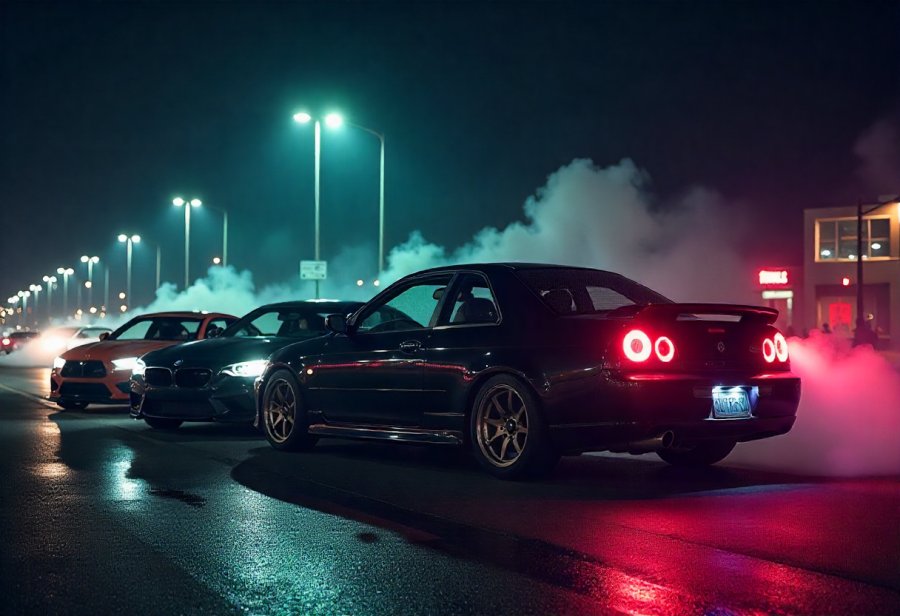
Night racing is more than a test of speed; it’s a space where emotional ties are forged under the cover of darkness. Engines roar, tires grip the pavement, and a silent understanding develops—each driver depends on the skill, courage, and loyalty of others. The quiet pre-race moments, where nerves are calmed and strategies are whispered, solidify their connection. After a race, whether victorious or not, sharing drinks and stories fosters a familial atmosphere, turning competitors into brothers and sisters united by shared adrenaline and purpose.
Unspoken customs and routines, often passed down informally, serve as vital tools for cohesion. Secret meetups, pre-race chants, and coded language aren’t just gestures—they are traditions that uphold the crew’s integrity. Betraying this trust through cheating or revealing secrets can lead to exile or social rejection, making these rituals crucial for maintaining harmony amid chaos. These customs reinforce a collective identity that survives external threats and legal risks, anchoring the community’s resilience.
Loyalty isn’t limited to the racing moments; it extends into everyday life. Supporting each other through setbacks, sharing tips on modifications, or covering for teammates in dangerous situations fosters a sense of family. These acts of mutual reliance deepen emotional bonds, creating a psychological fabric stronger than the asphalt. It’s this unwavering loyalty that helps the scene endure, even when external pressures threaten to crack its foundation.
The bonds formed during late-night runs go beyond mere competition—they are emotional investments in each other’s well-being. Sharing stories, offering support, and celebrating victories as a team turn high-speed chaos into a sanctuary of kinship. These shared experiences forge relationships that feel more like family than friendship, rooted deeply in trust and common purpose.
Despite the ever-present dangers, these traditions sustain the community. Passing down unspoken rules, rituals, and secrets ensures continuity and a shared sense of history. These customs, though informal, act as the glue that keeps crews intact through the chaos. Loyalty, rituals, and shared purpose are woven into the fabric of their culture, making underground racing more than just a sport—it’s a brotherhood that endures across generations.
Inside the Brotherhoods: Insights from Underground Racing Insiders
Insiders within underground racing communities often describe these crews as more than just groups chasing speed—they’re like families forged through shared trust and unwavering loyalty. Being part of a crew means having a support system that extends beyond the thrill of racing, a bond built on unspoken rules and mutual respect. Leaders emphasize that secrecy and integrity are critical; without these, the entire fabric of the brotherhood can quickly unravel under external pressures or internal disagreements.
Many seasoned racers talk about their crews as resilient entities, sustained by rituals and customs passed down through generations. These routines—secret meeting spots, signals, or specific pre-race rituals—are more than tradition; they’re vital tools for maintaining cohesion and trust. Respect for each member’s skills and contributions keeps the group united during tense moments, whether in the heat of a race or when law enforcement is lurking nearby. This shared code creates a sense of safety and belonging that goes far beyond the asphalt.
Trust deepens through countless late-night runs where reliability is tested under high stakes. Supporting each other in repairs, sharing tips on modifications, or covering for teammates in dangerous situations strengthen emotional bonds. Betrayal—such as cheating or revealing secrets—carries severe consequences, often leading to social exile or loss of respect. That’s why maintaining confidentiality and loyalty isn’t just about tradition; it’s essential for survival in a scene built on secrecy.
Cars are more than just transportation; they symbolize allegiance and pride. Custom modifications—like unique decals, paint schemes, or engine tweaks—are deliberate signals of crew identity. These visual identifiers help members recognize each other instantly, fostering a collective pride and reinforcing their shared purpose. Over time, these vehicles become moving emblems of kinship, embodying the values and traditions of the community they represent.
Insights from within the scene highlight that the strength of these brotherhoods hinges on unwritten rules and rituals—passed down informally but ingrained deeply. Secret meetups, pre-race chants, and shared celebrations serve as ongoing reminders of their collective identity. Despite external threats and legal risks, these customs help preserve a sense of continuity. The loyalty and trust cultivated through these traditions ensure that, even amid chaos, the community remains resilient and cohesive.
Ultimately, these crews are more than racing groups—they’re enduring communities built on genuine relationships. Their bonds, rooted in shared risks, rituals, and unbreakable loyalty, turn high-speed chaos into a sanctuary of kinship. Even as technology and external pressures evolve, the core values of trust, loyalty, and brotherhood keep underground racing alive—fueled by a deep-seated need for connection that outlasts the thrill of the race.
The Future of Underground Racing: Traditions, Innovation, and Resilience
As underground street racing persists, its core values of brotherhood, loyalty, and community remain resilient, even as the scene evolves. New technologies, from digital mapping to advanced vehicle tuning and electric modifications, are beginning to reshape how racers prepare and showcase their cars. Yet, these innovations do little to diminish the bonds formed through shared risks and time-honored traditions. Online forums and social platforms make it easier to organize clandestine events and exchange passion, but they also challenge the secrecy and trust that are vital to maintaining the scene’s integrity.
Despite these shifts, the essence of underground racing endures because it’s rooted in emotional connection and unwavering loyalty. Racers see their cars not just as machines but as symbols of identity, pride, and kinship. Rituals, shared values, and unspoken codes act as the glue that keeps the community together, transforming individual acts of speed into collective expressions of trust. Under the cover of night, engines roaring and tires gripping asphalt, these bonds are forged in shared adrenaline and mutual reliance—forming a family that extends far beyond the race itself.
Looking ahead, there’s a growing push toward safer and more responsible practices within the scene. Some groups are exploring semi-legitimate events, organized meetups, or community initiatives that preserve the rebellious spirit while reducing danger. Technological advancements in safety features and digital communication tools can help maintain traditions while offering better protection against legal, physical, and social risks. Balancing the desire for thrill with the need for safety will be a key challenge for the future of underground racing.
The scene’s resilience lies in its ability to adapt without losing its core identity. Loyalty, rituals, and brotherhood are deeply ingrained and unlikely to fade completely. Instead, they will evolve—perhaps becoming more symbolic or ritualistic—ensuring the sense of kinship persists despite external pressures. As long as the love for speed, trust, and community remains, underground racing will continue to thrive in the shadows, quietly shifting in response to a changing world.
Beyond the adrenaline and rebellion, underground street racing is a reflection of human connection—an unbreakable bond forged through risk, loyalty, and shared purpose. The relationships built in the darkness turn chaos into community, creating a culture that endures across generations. Its enduring appeal lies in its ability to adapt while holding on to its roots, inspiring new racers to seek kinship beyond rules and restrictions. No matter how the landscape changes, the spirit of brotherhood and the love of the thrill will keep underground racing alive, a testament to the power of trust and shared passion.