The Hidden Environmental Toll of Nylon You Need to Know
Nylon, a staple in our daily lives—from clothing to carpets—comes at a hidden environmental cost rooted in fossil fuel dependence. Its production involves energy-intensive chemical processes that release potent greenhouse gases and toxic byproducts, contaminating ecosystems and contributing to climate change. Once in use, nylon’s durability becomes a double-edged sword; it resists decay, persists in landfills for centuries, and fragments into microfibers that flood oceans, harming marine life and entering the food chain. Washing synthetic garments accelerates this microplastic pollution, while recycling options remain limited, compounding the problem. As demand grows, so does the strain on finite resources and ecosystems, raising urgent questions: can innovations like recycled fibers and biodegradable alternatives stem this tide? Recognizing nylon’s true environmental footprint challenges us to rethink our materials, urging industry and consumers alike to prioritize sustainable choices. The shift toward greener solutions may be our best hope to protect future generations and the planet.

Unveiling Nylon’s Hidden Environmental Toll
Nylon is everywhere—found in our clothes, carpets, sports gear, and countless other everyday items. Its popularity stems from its strength, flexibility, and affordability, making it a go-to material across industries. We often take its presence for granted, rarely stopping to consider how it’s made or what its production means for the environment.
Beneath its convenience lies a complex process rooted in petrochemicals. Nylon is synthesized through chemical reactions involving non-renewable resources like oil and natural gas. These fossil fuels are extracted, refined into basic chemicals such as adipic acid and hexamethylenediamine, and then combined through energy-intensive processes to form long, durable fibers. This journey from raw resource to finished product consumes vast amounts of energy, primarily derived from fossil fuels, which contributes significantly to pollution and greenhouse gas emissions.
The environmental costs don’t end with manufacturing. The process releases pollutants into the air and water, including potent greenhouse gases like nitrous oxide, which accelerates climate change. Toxic byproducts and chemical runoff from factories can contaminate ecosystems and pose health risks to nearby communities. Many of these waste streams are difficult to treat, leading to long-term pollution that can linger in soil and water, affecting local wildlife and human health alike.
Nylon’s durability, while advantageous for product longevity, becomes an environmental challenge once those products are discarded. Since nylon doesn’t biodegrade, it persists in landfills for hundreds of years, gradually breaking into microfibers that wash into waterways. These tiny fibers are ingested by marine life, causing injury, reproductive issues, and chemical contamination. Over time, microplastics accumulate in oceans and lakes, disrupting ecosystems and entering the food chain, with potential repercussions for human health.
Washing synthetic garments sheds countless microfibers into water systems, many of which escape filtration at wastewater treatment plants. These fibers then spread across oceans and lakes, becoming ingested by fish and other aquatic creatures. This process not only harms marine species but also introduces harmful chemicals into the water, posing broader ecological threats. Microplastic pollution has become a global concern, and nylon is a significant contributor to this growing problem.
Disposal practices for nylon remain inadequate. Because it resists natural breakdown, most nylon waste remains in landfills for centuries, gradually fragmenting and leaching chemicals into the environment. These chemicals can include additives or residuals from manufacturing, further contaminating soil and water sources. Recycling options are limited, and without systemic change, nylon waste will continue to accumulate, polluting ecosystems and threatening both wildlife and human health.
Understanding these interconnected issues highlights the urgent need to rethink how we produce, use, and dispose of nylon. Moving toward sustainable alternatives—such as recycled fibers, bio-based materials, and improved waste management—can help lessen its environmental footprint. Recognizing nylon’s hidden costs encourages consumers, industries, and policymakers to make more informed choices, fostering a shift toward materials that are better for the planet and its future.
Decoding Nylon: From Chemical Roots to Global Reach
Nylon is a synthetic fiber born from complex chemical reactions involving fossil fuels, primarily oil and natural gas. Its production begins with the extraction and refinement of these non-renewable resources, which are processed into basic chemical building blocks such as adipic acid and hexamethylenediamine. These chemicals serve as the raw materials for nylon, and transforming them into fibers requires high heat and precise control, making the process energy-intensive. The significant energy consumption, mostly from fossil fuels, not only depletes finite resources but also contributes to greenhouse gas emissions and environmental pollution.
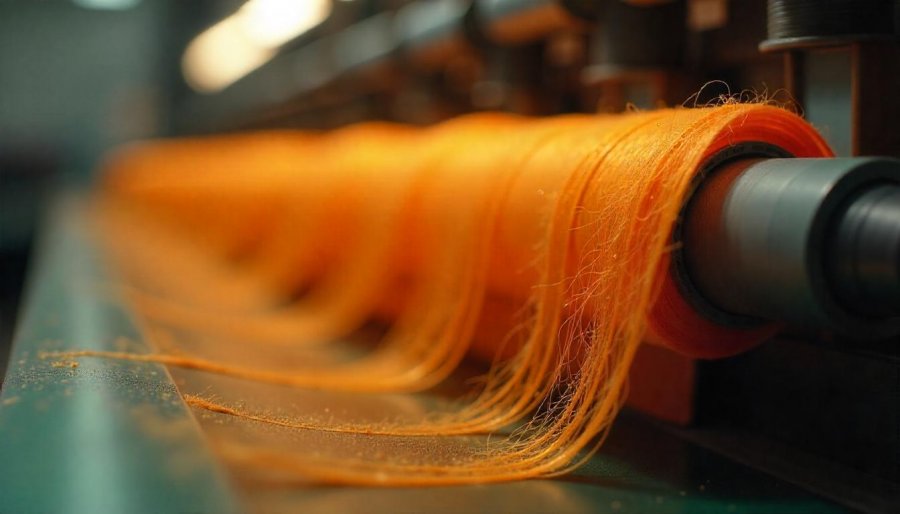
Once these chemicals are prepared, they undergo polymerization—a process where molecules are chemically bonded to form long, strong chains. This step is crucial because it determines nylon’s durability, elasticity, and resistance to wear. The resulting polymer chains are then spun into fine yarns, which can be woven into fabrics or processed into various industrial products like ropes, carpets, and plastics. Thanks to its versatility and affordability, nylon quickly gained popularity across industries worldwide, especially after its invention in the late 1930s and its increased use during World War II for military applications.
The widespread adoption of nylon owes much to its practicality. Its strength and resistance to damage mean products last longer, reducing the need for frequent replacements. However, this durability also means nylon resists natural breakdown, lingering in landfills for hundreds of years. During this time, it gradually fragments into microfibers, tiny particles that wash away during laundering and end up in waterways. These microplastics pose a serious threat to aquatic ecosystems, as marine life ingests them, leading to injuries, reproductive issues, and chemical contamination that can ripple through the entire food chain.
A key factor in nylon’s environmental footprint is its shedding during washing. Every cycle releases countless microfibers into water systems, many of which bypass wastewater treatment plants. These fibers then disperse into oceans and lakes, where they are mistaken for food by fish and other marine species. The ingestion of microplastics can cause physical harm and introduce toxic chemicals into their bodies, disrupting ecosystems and threatening biodiversity. This ongoing cycle of pollution highlights the importance of understanding nylon’s chemical makeup and its role in the broader plastic pollution crisis.
Nylon’s chemical structure also contributes to its persistent environmental presence. Its resistance to natural degradation makes recycling difficult, and most nylon waste remains in landfills for centuries. Over time, it breaks into microfibers that can leach additives or residual chemicals from manufacturing into the soil and water. These leachates pose additional risks to ecosystems and human health, especially since recycling options are limited and often inefficient. Without systemic changes in waste management and material innovation, nylon will continue to accumulate as a long-lasting pollutant in our environment.
Understanding nylon’s production and usage patterns reveals a reliance on fossil fuels that fuels a cycle of environmental degradation. As demand grows, so does the extraction of oil and gas, exacerbating habitat destruction, pollution, and climate change. While alternatives like bio-based nylon and improved recycling techniques are emerging, they are still in development stages and not yet widely adopted. Recognizing the chemical composition and global footprint of nylon underscores the urgent need for sustainable solutions that can reduce its ecological impact while maintaining the benefits consumers rely on.
By grasping how nylon is made and used around the world, consumers and industries can better appreciate the environmental costs associated with this ubiquitous material. This knowledge empowers informed choices—supporting recycled fibers, sustainable brands, and innovative materials that prioritize ecological health. Transitioning to more sustainable options requires collective effort, from individual consumers to policymakers and manufacturers. Ultimately, understanding nylon’s chemical and industrial roots strengthens the case for a shift toward greener, more responsible practices that protect our planet for future generations.
Nylon’s Environmental Footprint: Pollution, Resource Depletion, and Ecosystem Disruption
Nylon’s production and disposal have profound environmental consequences that often escape widespread notice. Its manufacturing depends heavily on extracting fossil fuels like oil and natural gas, which already causes habitat destruction, pollution, and depletion of finite resources. These raw materials are refined into chemicals such as adipic acid and hexamethylenediamine, a process that consumes vast amounts of energy and releases pollutants into the air and water. Among these emissions, nitrous oxide stands out as a potent greenhouse gas, far more impactful than carbon dioxide, significantly accelerating climate change.
The chemical reactions involved in transforming these raw materials into nylon fibers are energy-intensive and produce toxic byproducts. Factories often discharge chemical runoff and pollutants that contaminate nearby ecosystems, harming wildlife and posing health risks to local communities. Many of these waste streams are difficult to treat, leading to persistent pollution in soil and waterways that can linger for decades. This ongoing contamination not only affects local environments but also contributes to the broader crisis of environmental degradation caused by industrial pollution.
Once in use, nylon’s durability becomes a double-edged sword. While long-lasting products are economically advantageous, the material’s resistance to natural breakdown means it persists in landfills for hundreds of years. During this time, nylon gradually fragments into microfibers—tiny particles that easily wash away during laundering. These microplastics then disperse into oceans and lakes, entering aquatic food webs and threatening marine life. Ingested by fish and other creatures, these fibers can cause injuries, reproductive problems, and chemical contamination that ripple through ecosystems and potentially impact human health.
Washing synthetic clothing releases countless microfibers into water systems, many of which bypass wastewater treatment plants. These tiny fibers then spread through waterways, becoming ingested by fish and marine mammals. The ingestion can cause physical injuries and introduce toxic chemicals accumulated in the fibers, disrupting reproductive cycles and impairing the health of marine species. Over time, this accumulation of microplastics in oceans has become a global concern, with nylon contributing significantly to the rising tide of plastic pollution that threatens biodiversity and ecosystem stability.
Disposal practices for nylon remain inadequate, given its resistance to natural decay. Most nylon waste ends up in landfills, where it can take centuries to break down into microfibers. As it degrades, nylon fragments can leach residual chemicals and additives into the surrounding soil and water, further contaminating ecosystems. Limited recycling options exacerbate this issue; most nylon waste simply persists, slowly releasing pollutants into the environment over long periods. This ongoing accumulation underscores the need for systemic changes in how we manage synthetic waste and develop sustainable materials.
The environmental toll of nylon extends beyond pollution and landfill accumulation. Its reliance on fossil fuels fuels a cycle of resource depletion and environmental harm, from extraction to processing. As demand increases, so does the pressure on ecosystems to supply these non-renewable resources, intensifying habitat loss, water contamination, and climate change. While alternatives like bio-based nylons and improved recycling technologies are emerging, they are still in early stages and not yet capable of replacing traditional nylon at scale. Recognizing these interconnected impacts emphasizes the urgency of transitioning to greener, more sustainable options.
In the face of these challenges, innovation and policy change are crucial. Supporting the development and adoption of recycled fibers, biodegradable synthetics, and natural materials can significantly reduce nylon’s footprint. Consumer awareness and demand for eco-friendly products play a vital role in encouraging industry shifts toward sustainable practices. Reducing unnecessary nylon use, especially in single-use items, can also make a meaningful difference. Addressing nylon’s environmental impact requires a collective effort—industry, government, and individuals all have a part to play in fostering a healthier planet.
A Call for Change: Embracing Sustainable Choices to Protect Our Planet
As we look back at the journey of nylon, the picture that emerges is one of convenience intertwined with significant environmental costs. Its reliance on fossil fuels, energy-intensive production, and long-lasting presence in landfills all contribute to a complex web of ecological challenges. The microplastics shed during washing and the pollution from manufacturing processes highlight how deeply embedded nylon’s impact is in our global plastic crisis. Recognizing these realities shifts our perspective from viewing nylon as just a practical material to understanding it as a symbol of broader environmental issues that demand urgent attention.
This awareness calls for a shift in how we approach the materials we use daily. Supporting recycled fibers, natural alternatives like organic cotton or hemp, and innovations in biodegradable synthetics can drastically reduce nylon’s footprint. Choosing products from brands that prioritize sustainability and transparency helps drive industry change, encouraging manufacturers to adopt greener practices. Small actions, such as reducing unnecessary purchases and opting for durable, eco-friendly options, contribute to a larger movement toward responsible consumption and waste reduction.
But individual choices are only one piece of the puzzle. Systemic change—through policies that promote recycling, support sustainable innovation, and regulate harmful manufacturing practices—is essential to making a real impact. Advocacy and informed consumer demand can push industries to develop and adopt cleaner technologies, closing the loop toward a more circular economy. Investment in research for bio-based and biodegradable materials offers hope for alternatives that don’t compromise performance or affordability while protecting the environment.
The transition away from virgin nylon requires collective effort. Every purchase, every conversation, and every policy change adds momentum to this necessary shift. Educating ourselves and others about the hidden environmental costs behind everyday products fosters a more conscious consumer culture. By demanding transparency and accountability from brands, we can influence industry standards and encourage responsible innovation. This collective push can help reshape the future of fashion, textiles, and industrial materials into a more sustainable trajectory.
Reducing nylon’s environmental impact is within reach if we act with purpose and conviction. Small changes in our habits, like choosing recycled or natural fibers and minimizing single-use plastics, can ripple outward, inspiring broader change. Supporting policies and initiatives that prioritize sustainability amplifies our individual efforts. The power to influence this shift lies not only in what we buy but also in how we advocate for a healthier planet—because the choices we make today shape the environment we leave for tomorrow.
By embracing more sustainable practices and demanding responsible manufacturing, we can help steer our world toward a future where materials serve us without costing the earth. Awareness of nylon’s true impact empowers us to act thoughtfully and intentionally. Each step we take—whether in our personal consumption or in supporting systemic change—brings us closer to a world where convenience and environmental health coexist. The path forward is clear: sustainable change begins with us, and it’s never too late to start making a difference.