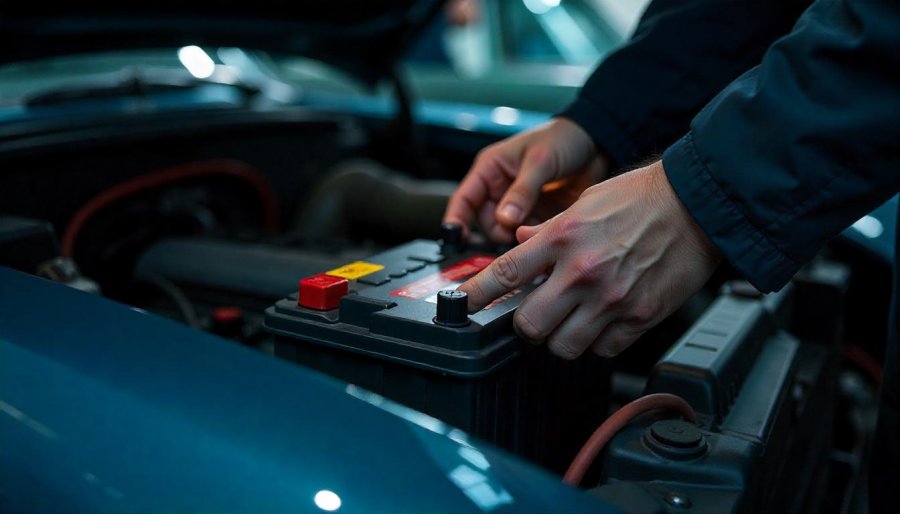
Simple Battery Maintenance Tips for Reliable Car Starts
Imagine starting your day with confidence, knowing your car’s battery is reliably prepared to kick into gear—yet neglecting this small component can lead to unexpected breakdowns at the worst moments. How simple habits like inspecting terminals for corrosion, tightening clamps, or checking voltage can transform your driving experience from stressful to seamless? This guide reveals that maintaining your battery isn’t complex; it’s about incorporating easy, proactive routines into your regular vehicle care. By catching signs early—dimming lights, sluggish starts, or corrosion—you prevent costly repairs and roadside failures. But what if a quick visual check or a few moments with a multimeter could save you hours and headaches? Embracing these straightforward practices not only extends your battery’s lifespan but also offers peace of mind, ensuring your vehicle stays dependable through every season and every trip. Isn’t reliable starting worth a few minutes of routine care?

Maintain Your Battery for Worry-Free Driving
Your car battery might be small, but it plays a vital role in keeping your vehicle running smoothly. It’s the power source that starts your engine and keeps all the electrical systems—like headlights, radio, and onboard computers—operating correctly. When the battery is in good shape, your car starts reliably, and your drives remain hassle-free. But neglecting this small component can lead to unexpected breakdowns and frustrating delays, especially when you least expect them. That’s why caring for your battery isn’t just an occasional task; it’s a key part of responsible vehicle maintenance.
Getting into the habit of checking your battery might seem simple, but it can save you a lot of trouble down the line. Small signs of trouble—like corrosion on the terminals, loose connections, or dimming lights—often appear before a battery completely fails. Addressing these issues early with quick, straightforward steps can prevent your car from leaving you stranded. Think of it as giving your vehicle a regular health check-up, catching small problems before they turn into costly repairs or roadside emergencies. The more proactive you are, the more dependable your car remains, particularly during extreme weather or busy mornings when reliable starting is crucial.
Many issues related to batteries are preventable with just a few routine practices. Regularly inspecting the terminals for corrosion—a white or greenish powder—is a good first step. Corrosion can block proper electrical flow, leading to slow starts or complete failure. Cleaning the terminals with a paste made of baking soda and water, using an old toothbrush or a wire brush, is simple and effective. Rinsing the area and drying it thoroughly before reconnecting the cables helps restore a solid connection, ensuring your battery operates at peak performance. This small effort can significantly extend the lifespan of your battery and improve overall vehicle reliability.
Another simple yet important habit is to ensure that your cable clamps are tight and secure. Over time, vibrations from driving or temperature fluctuations can loosen these connections. Loose clamps can cause intermittent issues like flickering headlights or difficulty starting the engine. Checking and tightening these clamps regularly with a wrench is quick and can prevent many roadside surprises. Incorporating this into your routine—perhaps during oil changes or other regular vehicle checks—makes it easier to stay consistent without feeling like you’re adding extra chores to your schedule.
Monitoring your battery’s voltage with a multimeter provides valuable insight into its health. When the engine is off, a fully charged battery should read about 12.6 volts. If your measurement dips below 12.4 volts, it signals that your battery might be weakening. Performing this check every few months is simple with an affordable multimeter and can alert you to potential issues before they cause starting problems or electrical glitches. Developing this habit helps you stay ahead of declining performance and plan for replacements before a breakdown occurs, especially during winter when weak batteries are more vulnerable.
Pay attention to how your car responds during startup. Slow engine turns, flickering headlights, or dashboard lights that dim unexpectedly are clear clues that your battery may be nearing the end of its lifespan. A quick voltage test or a professional battery check can confirm whether it’s time for a replacement. Addressing these signs early often extends the battery’s life and prevents unexpected stalls—particularly in cold weather, when a weak battery struggles more. Cultivating awareness of your vehicle’s behavior ensures you can handle minor issues before they turn into major problems.
Keeping your battery case clean and dry is a simple maintenance step with a big impact. Dirt, grime, and moisture accelerate corrosion and internal damage, so wiping down the case regularly with a damp cloth helps maintain its condition. If you notice cracks, leaks, or other damage, it’s wise to have the battery tested or replaced promptly. A damaged case can lead to internal corrosion or fluid leaks, which compromise your power source’s reliability. Staying vigilant about its overall condition ensures your battery remains a dependable part of your vehicle’s electrical system, especially during extreme weather.
Incorporating these small, easy habits into your routine makes battery maintenance straightforward and stress-free. Setting reminders every few months for visual inspections, cleaning terminals, tightening clamps, and checking voltage can become second nature. Paying close attention to how your vehicle responds during startup helps catch early signs of trouble, allowing you to act before a breakdown occurs. Over time, these practices not only extend your battery’s lifespan but also boost your confidence that your car will start when you need it most. With minimal effort, you can keep your vehicle dependable and avoid unexpected roadside emergencies, making worry-free driving a reality.

Essential Practices to Keep Your Battery in Top Shape
Keeping your car battery in top shape revolves around a few simple but crucial habits that can make a big difference in your vehicle’s reliability. Regularly inspecting the battery terminals for corrosion is the first step. Corrosion appears as a white or greenish powder around the cable connections and can significantly hinder electrical flow. When left unchecked, it can cause slow starts or even prevent the engine from turning over. Cleaning the terminals with a paste made from baking soda and water, using an old toothbrush or a wire brush, is an easy fix. Rinsing the area thoroughly and drying it well before reconnecting ensures a solid, corrosion-free connection that helps your battery perform optimally.
Another key practice is to ensure that your cable clamps are tight and secure. Over time, vibrations from driving, temperature swings, and general wear loosen these connections. Loose clamps can lead to flickering headlights, dimming interior lights, or difficulties starting the engine. Regularly checking and tightening these clamps with a wrench takes just a few moments but can prevent many roadside surprises. Incorporating this into your routine—perhaps during oil changes or other regular vehicle checks—makes it easier to stay consistent without feeling like you’re adding extra chores.
Monitoring your battery’s voltage with a multimeter offers valuable insight into its health. When the engine is off, a fully charged battery should read around 12.6 volts. If your measurement drops below 12.4 volts, it’s a sign that your battery might be weakening. Checking the voltage every few months provides an early warning system, allowing you to address issues before they cause starting problems or electrical glitches. Many affordable multimeters are user-friendly, and a quick online tutorial can show you how to get accurate readings. Making this a regular habit helps you stay ahead of declining battery performance and plan for replacements before a breakdown occurs.
Pay attention to your vehicle’s response during startup. If the engine turns over sluggishly, headlights flicker, or dashboard lights dim unexpectedly, these are clear clues that your battery is nearing the end of its lifespan. A quick voltage test or a professional battery check can confirm whether it’s time for a replacement. Addressing these signs early not only extends your battery’s life but also prevents unexpected stalls—especially in cold weather, when a weak battery struggles even more. Cultivating awareness of your car’s behavior keeps you proactive and reduces the chances of being stranded unexpectedly.
Keeping your battery case clean and dry is a simple maintenance step that can significantly extend its lifespan. Dirt, grime, and moisture accelerate internal corrosion and damage. Wiping down the case regularly with a damp cloth removes debris and moisture, helping maintain its integrity. If you notice cracks, leaks, or other damage, it’s wise to have the battery tested or replaced promptly. A compromised case can lead to internal corrosion or fluid leaks, which diminish your battery’s reliability. Staying vigilant about its overall condition ensures your power source remains dependable, especially during extreme weather conditions that put additional stress on your vehicle’s electrical system.
Incorporating these habits into your routine doesn’t require much time or effort. Setting reminders every few months for visual inspections, terminal cleaning, and voltage checks makes battery care a natural part of vehicle maintenance. Paying close attention to how your car responds during startup can help you catch early warning signs of trouble. Over time, these simple practices can extend your battery’s lifespan, reduce the chances of roadside emergencies, and boost overall vehicle reliability. Small acts of care, performed regularly, build a strong foundation for worry-free driving and peace of mind, no matter the road ahead.
Simple Steps to Incorporate Routine Battery Care into Your Drive
Maintaining your car battery doesn’t have to be complicated or time-consuming. The key is to embed simple checks into your regular driving routine so that caring for your battery becomes second nature. Setting a reminder every three to six months for a quick inspection helps catch early signs of trouble before they develop into major issues. During these checks, look closely at the terminals for any buildup of corrosion or dirt—those white or greenish deposits can hinder electrical flow. If you spot anything, cleaning the terminals with a paste of baking soda and water using an old toothbrush or wire brush is quick and effective. Rinse the area thoroughly and dry it well before reconnecting the cables to ensure a solid, corrosion-free connection. This small step can keep your battery performing at its best and extend its lifespan.
Tightening the cable clamps is another easy yet essential part of routine maintenance. Over time, vibrations from driving, temperature swings, and general wear can loosen these connections, leading to electrical issues like flickering headlights or difficulty starting the engine. Checking and tightening the clamps with a wrench takes only a few moments but can prevent roadside surprises. Incorporate this task during oil changes or other scheduled vehicle inspections—it’s a simple habit that keeps your vehicle reliable without adding extra chores to your day. Consistency is key, and over time, these small efforts will pay off by maintaining a dependable electrical system.
Monitoring your battery’s voltage with a multimeter provides valuable insight without much hassle. When the engine is off, a healthy battery should read around 12.6 volts. If your measurement falls below 12.4 volts, it signals that your battery may be weakening. Checking the voltage every few months with an affordable, user-friendly multimeter can alert you to slow declines before they cause starting problems or electrical glitches. A quick online tutorial can show you how to get accurate readings, making this a simple, proactive step. Regular voltage checks empower you to plan ahead for replacements, especially during colder months when weak batteries are more prone to failure.
Pay attention to how your vehicle responds during startup. Slow engine turns, headlights flickering, or dashboard lights dimming unexpectedly are clear signs that your battery might be nearing the end of its life. A quick voltage test or a professional battery check can confirm whether it’s time for a replacement. Addressing these signs early helps extend your battery’s lifespan and prevents unexpected stalls—particularly in winter, when a weak battery struggles even more. Developing awareness of these subtle cues keeps you proactive, reducing the risk of being stranded unexpectedly and ensuring your car remains dependable when you need it most.
Keeping your battery case clean and dry is a simple step that can significantly boost its longevity. Dirt, grime, and moisture accelerate internal corrosion and damage, so wiping down the case regularly with a damp cloth is a smart habit. If you notice cracks, leaks, or other damage, having the battery tested or replaced sooner rather than later is wise. A damaged case can lead to internal corrosion or fluid leaks, which diminish your battery’s reliability. Staying vigilant about its overall condition ensures your power source remains dependable, especially during extreme weather conditions that put additional stress on your vehicle’s electrical system.
Incorporating these habits into your routine doesn’t require much effort or time. Setting reminders for every few months for visual inspections, terminal cleaning, tightening clamps, and voltage checks makes battery care effortless. Paying close attention to how your car responds during startup can also help you catch early warning signs of trouble. Over time, these simple practices will extend your battery’s life, reduce unexpected breakdowns, and boost overall vehicle reliability. Small acts of care performed regularly build a strong foundation for worry-free driving and peace of mind, no matter where the road takes you.
The beauty of these routines lies in their simplicity—they fit naturally into your existing vehicle maintenance schedule. Whether during a regular oil change or a quick stop for gas, a few minutes to check the terminals, tighten clamps, and observe your car’s startup behavior can make a big difference. These small, consistent actions prevent small issues from escalating into costly repairs or roadside emergencies. Plus, developing a habit of monitoring your battery’s health keeps you informed and prepared, giving you confidence that your vehicle will start reliably every time. It’s about making proactive care a part of your lifestyle, not an extra chore.
By making battery maintenance a regular habit, you ensure your vehicle remains dependable and ready for the road. The key is consistency—simple checks and observations that won’t disrupt your day but will save you from inconvenience and expense later on. Over time, these practices reduce the likelihood of unexpected breakdowns, especially during the coldest months or busiest mornings. They also foster a sense of control over your vehicle’s health, giving you peace of mind and confidence in every drive. A little effort now goes a long way in keeping your car running smoothly, preventing roadside surprises, and supporting worry-free driving every day.