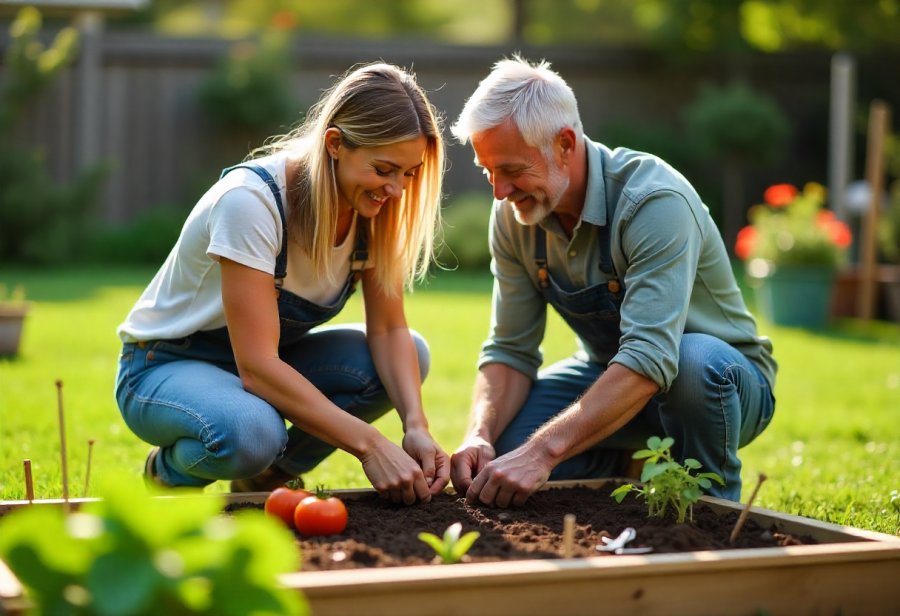
Reconnect and Heal Through the Power of Shared Gardening
In an era dominated by digital distraction, the simple act of tending a garden together emerges as a powerful pathway to deepen bonds and foster healing. This heartfelt exploration reveals how shared gardening routines—planting, watering, pruning—transform routine chores into meaningful acts of collaboration, trust, and emotional intimacy. As partners work side by side amidst soil, blooms, and bird song, barriers of isolation dissolve, making space for genuine connection, vulnerability, and mutual support. The therapeutic benefits of gardening—reducing stress, cultivating patience, and promoting mindfulness—are magnified when shared, offering not just physical growth but emotional resilience as well. Could this nurturing ritual be the antidote to modern disconnection? The narrative invites us to consider how small, intentional acts of care in nature can serve as enduring anchors of hope, understanding, and resilience, reminding us that even amidst life’s chaos, tending to a garden together can be a profound act of healing.
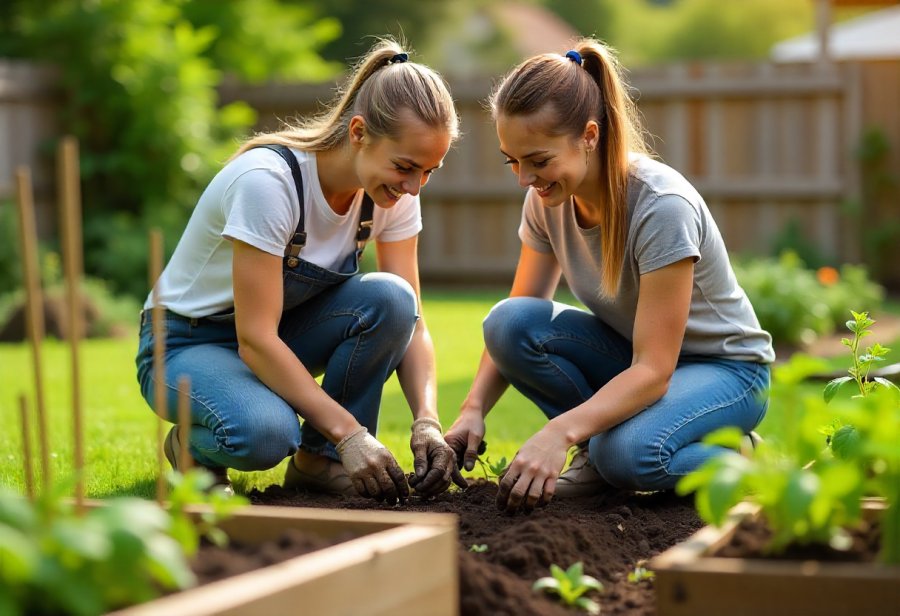
Reconnect and Heal Through Shared Gardening Moments
In a world where screens often dominate our daily routines, finding genuine moments of connection can feel harder than ever. We scroll through social media feeds, respond to countless emails, and binge-watch series, often missing the simple joy of being present with others. That’s where shared gardening enters as a refreshing alternative—a quiet, meaningful activity that invites us back to nature and each other.
Tending a garden together transforms a solitary task into a shared experience of care and patience. Whether planting seedlings, watering rows of vegetables, or pruning blooms, these acts become opportunities for conversation, teamwork, and mutual support. In those small routines, trust deepens naturally, and a sense of achievement grows as the garden flourishes under both hands and hearts.
Gardening offers more than physical activity; it’s a form of therapy that nurtures emotional well-being. Working with soil and plants encourages mindfulness—being fully present in the sensory details of touch, scent, and sight. This focus helps reduce stress and anxiety, providing a calm space to decompress. When done alongside someone else, these calming moments foster vulnerability and openness, strengthening emotional bonds as shared effort leads to shared growth.
Beyond individual benefits, shared gardening creates a space for meaningful connection. As two people collaborate on a common goal, they develop communication skills and build trust. Challenges like pest control or caring for fragile plants become opportunities for problem-solving and reassurance, reinforcing the idea that growth—whether in plants or relationships—takes time and patience.
In essence, working together in the garden is more than just cultivating plants. It’s about cultivating trust, understanding, and resilience. These quiet moments of cooperation remind us that meaningful connection often begins with simple acts of care—acts that can heal, strengthen, and bring us closer in a world that sometimes feels disconnected.
Harness Nature’s Calm to Boost Your Mental Well-Being
Gardening has long been recognized as a powerful way to boost mental health and emotional well-being. The act of working with soil, plants, and nature creates a calming effect that’s hard to find elsewhere. When you dig your hands into the earth, it encourages mindfulness—fully focusing on the present moment through the sensory experiences of touch, smell, and sight. This kind of attention helps ease feelings of anxiety and depression, making gardening a natural and accessible form of stress relief.
Engaging with nature through gardening provides a sense of purpose and tangible achievement. Watching tiny seeds sprout and grow into thriving plants reinforces feelings of hope and resilience. These small victories remind us that progress takes time, offering gentle comfort during emotional lows. Sharing these moments with others transforms gardening into a shared journey of growth, both in plants and in emotional strength.
Research shows that spending time outdoors can significantly reduce stress hormones like cortisol. Natural environments are linked to lower blood pressure, improved mood, and overall better mental health. The repetitive, tactile motions of planting, watering, and pruning help anchor attention, creating a meditative state that promotes calm and clarity. This connection to nature acts as a buffer against mental health struggles, providing a safe space to process feelings and restore inner balance.
When gardening is shared, these benefits multiply. Working side by side fosters communication and patience, creating opportunities for meaningful conversations and mutual support. Tending to plants together reinforces teamwork, making the experience more rewarding and emotionally nourishing. Watching life flourish under care can renew a sense of hope and confidence, which is often transformative for emotional resilience.
Gardening also serves as a powerful emotional outlet. Caring for living things helps process feelings of grief, stress, or anxiety without the need for words. The physical act of nurturing provides a sense of control and purpose, especially when life feels unpredictable. Seeing plants thrive under shared effort can rebuild self-esteem and foster a sense of achievement, supporting emotional recovery.
The sensory richness of a garden further enhances its therapeutic effects. Feeling textured soil, smelling fragrant blooms, or listening to birdsong shifts focus away from worries. These mindful moments cultivate calm and clarity, making emotional challenges more manageable. Sharing these experiences deepens bonds, turning routine gardening into opportunities for connection, reflection, and mutual healing.
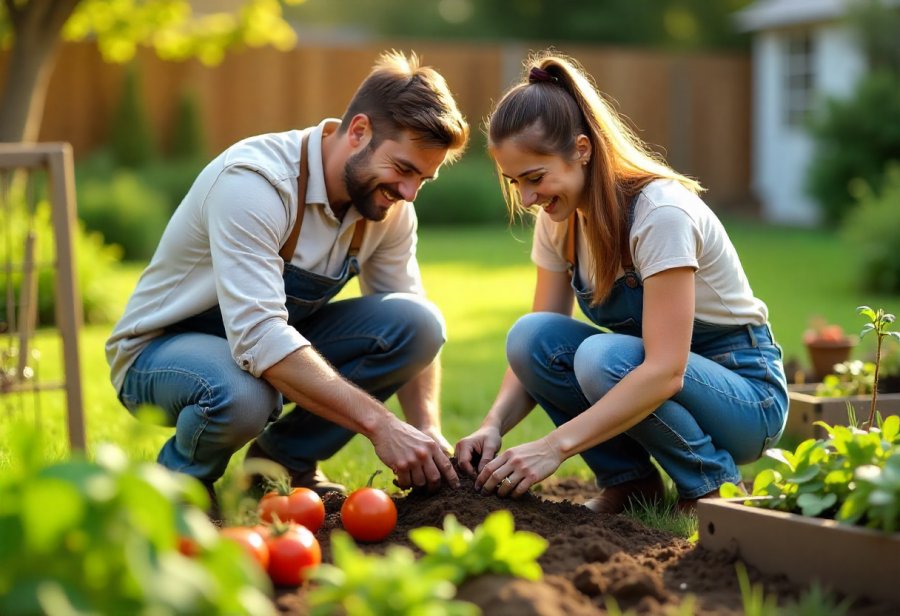
Build Emotional Bonds and Resilience by Gardening Together
Sharing the act of gardening together creates a space where emotional bonds can grow naturally. When two people work side by side—planting, watering, or pruning—they engage in a collaborative effort that encourages patience, communication, and mutual support. These seemingly simple tasks foster teamwork and trust, turning routine chores into meaningful moments of connection. Over time, navigating challenges like pests or delicate seedlings strengthens the relationship, building a shared sense of achievement rooted in mutual care.
Working outdoors to tend a garden pulls us away from screens and digital distractions, immersing us in the sensory richness of nature. Feeling soil between fingers, hearing birdsong, and smelling blooming flowers create a mindful environment that promotes calm and presence. These quiet, shared moments in nature offer a safe space for emotional expression, helping people feel less isolated and more connected. As they focus on the physical act of nurturing, barriers fall away, making vulnerability easier and trust deeper.
Gardening together also opens opportunities for genuine conversation. While watering or planting, couples can discuss their hopes, frustrations, or future plans, strengthening their emotional understanding. These shared routines encourage active listening and honest exchange, reinforcing trust and empathy. When both partners feel heard and valued during these moments, their connection deepens beyond the garden, nurturing emotional resilience and intimacy.
Of course, obstacles like busy schedules or limited outdoor space can challenge regular shared gardening. But these hurdles often highlight the importance of flexibility—short visits, container gardening, or community plots can keep the act of nurturing alive. The goal remains consistent: to foster a sense of shared purpose and care, transforming simple gardening tasks into rituals that reinforce emotional bonds.
Beyond the individual relationship, shared gardening fosters qualities like patience, empathy, and resilience—traits that extend into everyday life. Watching plants grow through collective effort serves as a gentle reminder that growth takes time, care, and persistence. These lessons in nurturing and perseverance help build a foundation of trust that can withstand life’s inevitable ups and downs.
The impact of working together in the garden goes beyond the physical act; it cultivates hope and renewal. As plants flourish under shared effort, so do emotional bonds, reinforcing the idea that growth—whether in nature or relationships—requires ongoing attention and patience. These moments of cooperation serve as a testament to the power of mutual care, resilience, and healing.
In essence, shared gardening becomes a living symbol of resilience and connection. It reminds us that, even in a digital world, physical acts of care can forge deeper emotional bonds. By tending to the soil together, we nurture not only plants but also trust, understanding, and compassion. These shared experiences lay the groundwork for stronger relationships, offering a path to healing and connection that’s rooted in patience, effort, and genuine care.
Deepen Your Connection with Strategic Gardening Rituals
To deepen connections through gardening, setting shared goals can make a real difference. Choosing a project together—whether planting a vegetable patch or creating a vibrant flower bed—gives both of you a common purpose that encourages teamwork and creates anticipation. Establishing regular routines, like weekly gardening sessions, helps build a rhythm that turns everyday chores into meaningful moments of collaboration. When both partners come prepared with ideas and enthusiasm, these routines evolve into opportunities for conversation, problem-solving, and mutual support, strengthening your bond with each shared effort.
Active listening plays a crucial role in making gardening more meaningful. While working side by side, tuning in to each other’s thoughts, concerns, or suggestions fosters trust and empathy. Asking open-ended questions about what each person hopes to see grow or what they find most rewarding invites honest dialogue. These exchanges not only enrich the gardening experience but also lay a foundation of respect that extends beyond the garden, nurturing emotional intimacy.
Creating moments of reflection during routine tasks can deepen emotional bonds even further. Pausing to admire a blooming flower or sharing a quiet moment to appreciate progress reinforces a sense of shared pride. These small pauses become opportunities for spontaneous conversations about future plans or personal stories, transforming routine chores into rituals of vulnerability and understanding. By intentionally carving out these quiet moments, gardening becomes more than physical labor—it’s a meaningful act of mutual care and growth.
Adding elements of creativity and play injects fun into shared gardening. Designing unique layouts, experimenting with new plant varieties, or building personalized garden markers sparks curiosity and teamwork. When everyone feels involved and inspired, the experience becomes more enjoyable and memorable, reinforcing positive emotions and strengthening emotional bonds. This playful approach keeps gardening lively, turning it into a source of joy rather than just a task.
Finally, maintaining flexibility and adaptability helps keep gardening as a positive, bonding activity despite life’s unpredictability. Busy schedules, bad weather, or limited outdoor space can pose challenges, but approaching these obstacles with patience and a willingness to find new solutions keeps the connection alive. Quick visits, container gardening, or involving community spaces can all sustain the act of nurturing relationships. The key is focusing on shared purpose and genuine care, allowing gardening to serve as a consistent, nurturing ritual that cultivates resilience and emotional strength over time.
Cultivate Hope and Healing: The Future of Gardening and Emotional Growth
Looking ahead, the promise of gardening as a tool for deepening emotional bonds and fostering healing remains strong. In a world increasingly dominated by digital interactions, shared outdoor experiences offer a gentle yet powerful reminder of the importance of presence, patience, and care. tending a garden together nurtures trust, encourages open communication, and builds resilience—skills that resonate well beyond the soil. These moments of joint effort create a space where vulnerability feels safe and genuine connection can flourish.
As more people embrace gardening as a means of emotional connection, the ongoing routines and shared purpose help reinforce bonds over time. Whether tending to a vegetable patch or cultivating flowers, these acts become rituals of support and understanding. The natural rhythm of planting, watering, and harvesting provides a steady framework for emotional growth, teaching patience and persistence. Watching life sprout and thrive under collective effort serves as a metaphor for relationships—both require ongoing nurturing.
Expanding access to community gardens and urban green spaces can amplify these benefits, fostering collective resilience and fostering a sense of belonging. Educational programs and local initiatives make gardening more accessible, inviting diverse groups to experience its healing potential. When more individuals participate, the positive ripple effects extend into communities, promoting social cohesion and mental well-being. Technology, including virtual platforms and smart tools, can also support shared efforts, especially for those separated by distance, keeping the act of caring connected across boundaries.
Despite obstacles like busy schedules or limited outdoor space, flexibility remains key. Quick visits, container gardening, or community plots ensure that nurturing relationships through nature stays practical and achievable. The focus stays on the act of care, not perfection, emphasizing that even small, consistent efforts can sustain meaningful bonds. These adaptations reinforce the idea that connection through gardening is resilient and adaptable, capable of weathering life’s inevitable changes.
Ultimately, prioritizing shared outdoor experiences offers a pathway to stronger mental health and more resilient relationships. Gardening reminds us that growth takes time and patience, and that ongoing effort cultivates trust, hope, and understanding. These quiet acts of care create a foundation that can support us through life’s challenges, fostering a sense of community and inner strength. As plants flourish under shared attention, so do the bonds that connect us, proving that healing and connection are rooted in simple, caring acts.
If you’re inspired to explore this further, the best time to start is now. Whether planting herbs on a windowsill, volunteering in a local garden, or simply tending a few potted plants, each small step plants the seeds for trust, empathy, and deeper connection. These moments in nature serve as gentle reminders that caring for others—and ourselves—begins with patience and presence. By embracing the rhythm of tending, we open the door to a more connected, resilient way of living, one small, caring act at a time.

Related Posts

Create Your Dream Outdoor Retreat with a Custom Deck

Transform Your Yard Into a Sustainable Outdoor Sanctuary