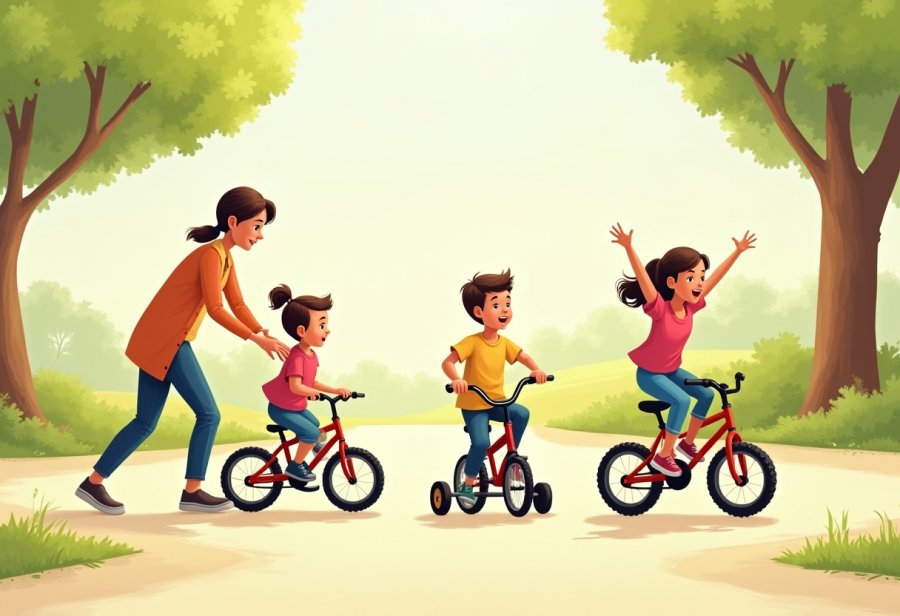
Mastering the art of riding a bike builds resilience and confidence in every child
Learning to ride a bike symbolizes courage, resilience, and the power of family support—yet, does overcoming fear outweigh the thrill of independence? This heartfelt exploration reveals that the journey isn’t just about mastering balance, but about navigating the emotional dance between fear and confidence. Every wobble, fall, and triumphant ride teaches children that setbacks are essential steps toward growth, fostering resilience and self-trust. Supported by nurturing adults and safe environments, kids learn to interpret their worries as normal parts of learning, transforming anxiety into motivation. The experience emphasizes that true independence blossoms not in the absence of fear, but through embracing it with patience and persistence. As children pedal into freedom, they carry with them vital lessons for life: that effort and perseverance turn obstacles into milestones, and that every fall is just a stepping stone toward confidence and resilience—raising the question: does the risk of falling ultimately make the journey more meaningful?
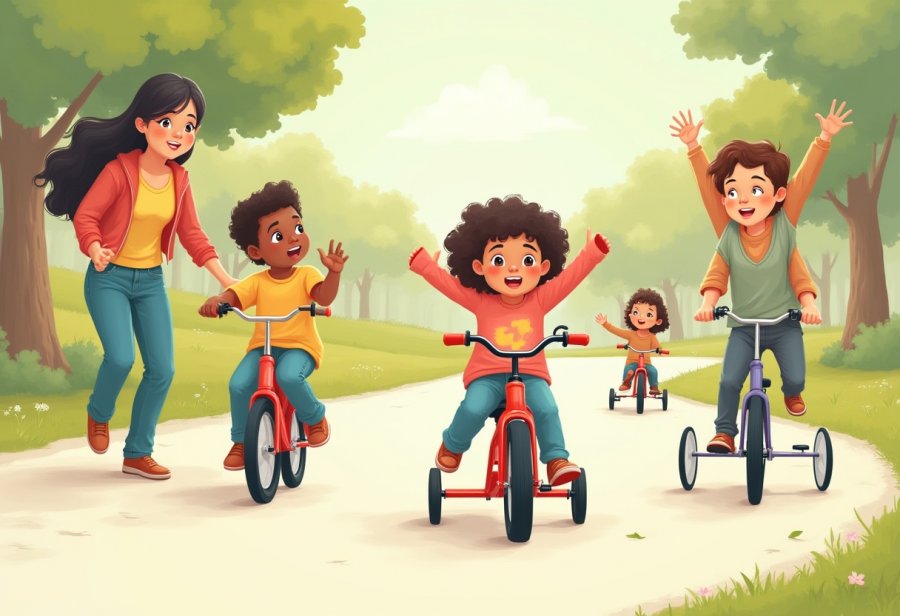
The Triumph of Courage, Family Support, and Independence in Learning to Ride
Learning to ride a bike is more than just mastering a new skill; it’s a defining moment in childhood that blends courage, family support, and a sense of independence. For many kids, it marks the first time they step into a world of exploration on their own two wheels, wobbling forward with wide eyes full of wonder and a little nervousness. That initial struggle to find balance becomes a powerful lesson in perseverance and trust—not just in themselves, but in those cheering them on nearby.
This milestone is often a shared family experience, filled with moments of encouragement and gentle guidance. Parents and older siblings serve as both coaches and cheerleaders, creating a safe space where failure is just part of the process. Their steady presence helps children feel secure enough to try, fall, and try again, transforming a daunting challenge into a joyful adventure. These small victories—gaining a few extra seconds of balance or pedaling without wobbling—become treasured memories of growth and resilience.
More than a physical skill, learning to ride a bike embodies emotional development. It teaches kids that overcoming fear is essential to building confidence. Facing the worry of falling, wobbling, or losing control pushes them to confront discomfort head-on. Each wobble and tumble isn’t a failure but a step toward mastery, reinforcing that setbacks are just part of the journey rather than the end of it. This mindset encourages persistence and patience, qualities that serve children well beyond the bike lane.
The process also highlights the importance of trust—trust in their own abilities and in the support system around them. When parents hold the bike steady or run alongside, they communicate that safety and independence can coexist. As children gradually take more control, they feel a growing sense of empowerment, realizing that their efforts lead to real progress. These moments of independence, no matter how small, lay the groundwork for future adventures and challenges.
Learning to ride a bike is a vivid symbol of growth. It involves a delicate dance between fear and excitement, where courage is not the absence of worry but the willingness to move forward despite it. The emotional highs of balancing longer or riding solo are often accompanied by a new sense of self-trust. That feeling of finally riding on their own, even briefly, unlocks a wave of pride and joy that stays with children long after their first successful pedal.
Family plays a pivotal role in shaping how kids experience this journey. Their patience and encouragement help transform a potentially intimidating task into an achievable goal. Celebrating small successes and normalizing falls foster a mindset where effort and resilience matter more than perfection. This supportive environment nurtures not only riding skills but also a resilient attitude that will serve children in many areas of life.
In essence, learning to ride a bike isn’t just about the physical act; it’s about cultivating the emotional strength to face fears and embrace independence. It’s a shared voyage that teaches children that setbacks are temporary and that persistence and trust are the keys to progress. These early lessons in courage and support become the foundation for confident, resilient individuals ready to take on whatever challenges lie ahead.
Foundations of Cycling: Childhood Growth, Family Influence, and Emotional Development
Learning to ride a bike is more than just developing a new physical skill; it’s deeply connected to childhood growth, combining coordination with emotional and social development. From the moment children watch their parents or older siblings navigate on two wheels, they begin to imitate and absorb those movements. This observational learning creates a natural foundation, making the process of riding more intuitive as kids start to mimic balance, pedaling, and steering even before they climb onto their own bikes.
Family support plays a crucial role in shaping this experience. When parents cheer on small achievements and patiently help during inevitable falls, they foster a sense of safety and trust. These moments teach resilience—the understanding that setbacks are normal and temporary, not failures. Children learn that persistence, even after wobbling or falling, is part of the journey to mastery. This emotional backing encourages them to experiment confidently and push their limits.
The psychological aspect of learning to ride is equally important. As children gain control over their balance and pedaling, they develop a sense of independence and self-efficacy. Overcoming physical challenges like wobbling or falling builds emotional strength, teaching kids to manage frustration and disappointment. Each small victory, whether riding a few more feet or balancing longer, reinforces their confidence and motivates continued effort, creating a positive feedback loop of perseverance.
Physical skills evolve gradually through trial and error. Many children begin with training wheels or by holding onto a parent’s hand, which provides a sense of security. As their confidence grows, they start pedaling independently, celebrating each milestone. This physical progression closely mirrors their emotional development—each successful attempt fosters trust in their abilities, making them more willing to face new challenges.
The first solo ride often sparks a mix of pride and nervousness. Legs strain to maintain balance, and wide eyes reflect a blend of excitement and apprehension. Support from caregivers—through reassurance and encouragement—helps children interpret these feelings as normal steps in learning, rather than signs of failure. This mindset, reinforced by gentle guidance, fosters resilience and a healthy attitude toward setbacks.
Ultimately, learning to ride a bike is a vital chapter in childhood development. It teaches that effort, patience, and perseverance are essential, and that setbacks are just part of the process. When supported properly, children grow not only in skill but also in confidence and resilience—traits that will serve them well in many future challenges. This journey underscores that growth often involves falling before flying, and with the right support, every wobble becomes a stepping stone to independence.
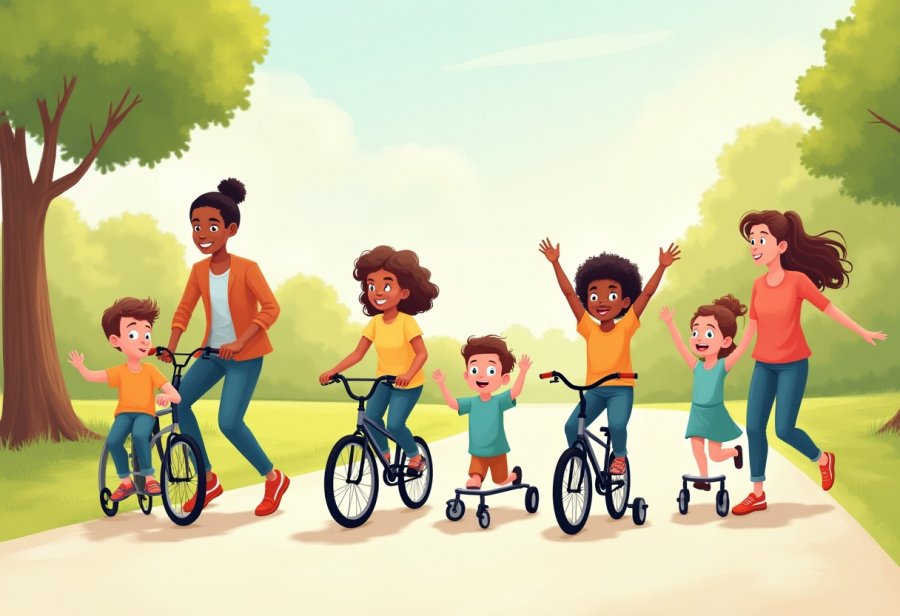
The Emotional Dance of Fear and Confidence in Riding Success
The dance between fear and confidence during a child’s first rides is a delicate balance that shapes their learning experience. Fear often emerges as a natural instinct—warning them to be cautious of wobbling or falling. It acts as a protective signal, encouraging careful movements and attention to detail. However, if that fear becomes overwhelming, it can lead to hesitation, making it harder for children to move forward or try new challenges. Managing this emotional tension is key; parents and caregivers play a crucial role in turning fear into a motivator rather than a barrier.
Confidence builds gradually through small successes. When a child manages to pedal a few extra feet without wobbling or balances a little longer, they begin to see themselves as capable. These moments of achievement chip away at their fears, replacing anxiety with a sense of excitement and possibility. As confidence grows, it creates a positive feedback loop—each small victory encourages them to push further, making the next attempt easier. This interplay shows that fear and confidence are interconnected; one fuels the other, shaping how children approach riding and other challenges.
Supportive adults help navigate this emotional terrain by celebrating progress and normalizing setbacks. When caregivers acknowledge that wobbling or falling are just parts of the process, children learn to interpret these experiences differently. They understand that mistakes aren’t failures but essential steps toward mastery. This reassurance fosters resilience, teaching them that persistence and patience are more important than avoiding failure altogether. Over time, this nurturing approach helps children develop a healthier relationship with risk, blending caution with courage.
Research indicates that a balanced approach—respecting fears while encouraging effort—leads to better motor skills and greater emotional strength. Children who are guided to see their worries as manageable tend to persist after setbacks, viewing mistakes as opportunities to learn. This mindset not only improves their cycling but also builds resilience that benefits other areas of life. When children learn to manage their fears effectively, they develop a sense of self-trust that empowers them to face new challenges with confidence.
Yet, some worry that too much fear might hinder growth. Overprotective strategies, such as shielding from all falls, can prevent children from experiencing the natural ups and downs of learning. Without the chance to wobble and recover, they may become more hesitant, lacking confidence in their ability to handle risks. Striking a balance—allowing safe experimentation while providing support—encourages a mindset where setbacks are seen as normal, manageable parts of growth. This approach fosters resilience, patience, and a willingness to embrace challenge rather than shy away from it.
In the end, the relationship between fear and confidence in learning to ride a bike mirrors life’s broader lessons. It teaches children that feeling nervous isn’t a sign of failure but a natural part of progress. When guided with care, fear becomes a stepping stone—an alert that prompts cautiousness, but not paralysis. Confidence, nurtured through small wins and steady support, grows alongside that fear, helping children develop resilience and independence. This balance prepares them not just for their first solo ride, but for facing future challenges with courage and grace.
Applying Lessons: Creating Safe Spaces and Fostering Resilience in Learning to Ride
Creating a safe and encouraging environment is key when helping children learn to ride and manage their fears. Setting up open, obstacle-free spaces where kids can wobble, fall, and get back up without the worry of traffic or hazards allows them to focus on the experience. Using safety gear like helmets and pads isn’t just about protection—it signals that their safety is a priority, helping them feel secure enough to explore their limits. When children see adults taking safety seriously while giving them room to practice, it builds trust and confidence simultaneously.
Celebrating small victories plays a vital role in maintaining motivation. Whether it’s balancing a little longer, pedaling further, or simply trying again after a fall, acknowledging these moments reinforces that progress is made step by step. Recognizing effort over perfection helps children see setbacks as normal parts of learning rather than failures. This positive reinforcement encourages persistence, making each attempt feel like a valuable part of their growth rather than a discouraging stumble.
Gradual exposure to independence is another effective strategy. Starting with support—like training wheels or holding onto a parent’s hand—creates a foundation of security. As confidence builds, support can be slowly phased out, giving children space to experience independence without overwhelming them. This staged approach reduces anxiety, helping them trust their abilities while understanding that taking risks is manageable and safe. It teaches patience and resilience, critical qualities for overcoming future challenges.
Sharing stories of other kids who faced similar fears can be a powerful motivator. When children hear about someone who fell but kept trying, it normalizes setbacks and emphasizes the importance of perseverance. These stories foster a growth mindset, showing that mistakes are just stepping stones to mastery. Paired with praise and encouragement, they help children internalize that effort and persistence matter more than avoiding failures altogether.
Modeling responsible behavior is equally important. When adults wear helmets, practice in controlled environments, and discuss risks openly, they set a responsible example. Children learn from these actions that safety and adventure aren’t mutually exclusive. Demonstrating calm handling of risks reassures kids that they can balance caution with bravery. Observing grown-ups manage challenges confidently encourages children to adopt similar attitudes, fostering a healthy view of risk-taking.
Introducing small, achievable goals keeps children engaged and motivated. Setting targets like riding a certain distance or balancing longer gives them tangible milestones to strive for. These goals make the learning process less intimidating and more rewarding, boosting confidence with each success. Achieving these milestones reinforces that steady effort leads to progress, helping kids move past fears of falling and toward greater independence.
Normalizing setbacks is crucial for fostering resilience. When children fall or wobble, adults should reassure them that such moments are natural. Instead of dwelling on the fall, focus on what they’ve gained—like improved balance or increased confidence. This perspective helps children see mistakes as part of growth, not signs of failure. Over time, they learn to view challenges as manageable and worth facing, building a mindset that values persistence over perfection.
Balancing Fear and Independence: Final Reflections on Growth and Resilience
Learning to ride a bike is about more than balancing on two wheels; it’s a lesson in navigating the delicate dance between fear and independence. Children naturally feel nervous or hesitant at first, and that’s a healthy sign—an internal warning that safety matters. When guided with patience and reassurance, these feelings transform from barriers into stepping stones. Each wobble or fall becomes a vital part of growth, teaching resilience and the importance of persistence.
The real strength lies in how support shapes this journey. When parents and caregivers acknowledge fears without dismissing them, children learn to interpret discomfort as a normal part of learning. Celebrating small successes and normalizing setbacks help build their confidence, showing them that effort counts more than perfection. This approach fosters a mindset where setbacks aren’t failures but opportunities to try again, fueling their desire to keep advancing.
Balancing caution with courage isn’t about eliminating fear—it’s about managing it. Children learn to listen to their worries while still pushing forward, trusting that risks can be taken safely. This balance creates a foundation for greater independence, where confidence grows alongside their ability to handle uncertainty. When kids realize they can fall and get back up, they develop a sense of self-trust that extends well beyond the bike lane.
Supportive environments play a crucial role in reinforcing this resilience. Safe, open spaces where kids can wobble, fall, and recover without pressure encourage free exploration. When adults model responsible behavior—wearing helmets, discussing risks calmly—they show that safety and adventure go hand in hand. These lessons in managing risk foster a healthy attitude toward challenges, helping children see setbacks as part of the journey rather than an end.
As children master the basics and experience their first solo rides, they gain confidence not just in cycling but in life’s broader challenges. The emotional strength built through facing fears and overcoming setbacks becomes a valuable tool for future growth. They learn that effort, patience, and perseverance are what turn obstacles into milestones. Each fall becomes a lesson in resilience, each success a reminder of their capacity to grow.
These early lessons in balancing fear and independence shape more than just childhood—they lay the groundwork for lifelong resilience. Kids who learn to manage their worries develop a mindset that embraces challenge and sees setbacks as temporary. They grow into individuals who trust themselves and their abilities, ready to face whatever comes next with courage and perseverance.
In the end, learning to ride a bike mirrors the broader truth of growth: it’s often a process of falling before flying. With the right support, fear becomes a guide rather than a barrier, and confidence blooms through persistence. When children are encouraged to face their fears with patience and trust, they discover that setbacks are simply stepping stones on the path to independence. This journey teaches them that resilience isn’t about never falling but about always getting back up—ready for the next challenge.