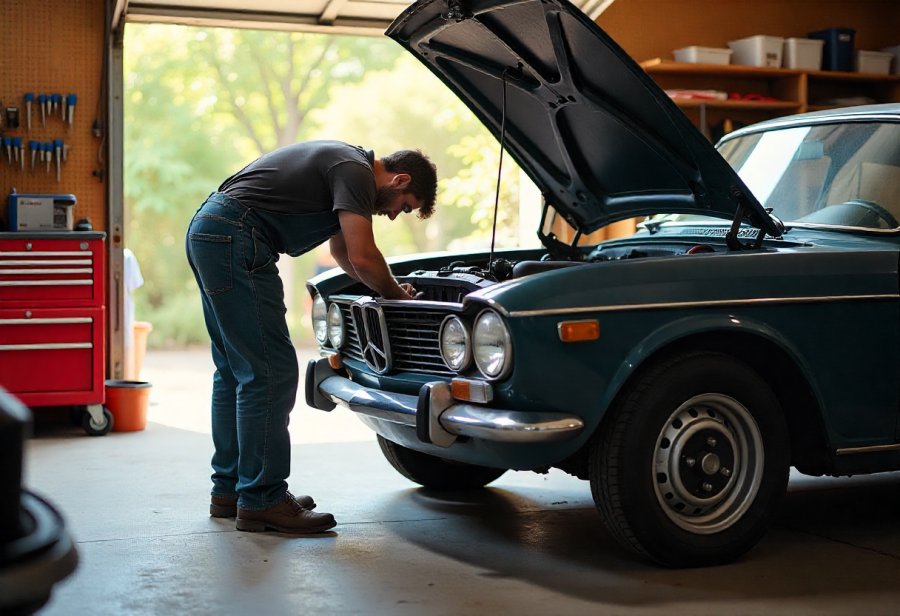
Unlock the Secrets of Mechanical Revival in Your Garage
Behind every backyard mechanic’s garage lies a world rich with passion, patience, and secrets waiting to be uncovered. What stories do these spaces hold—stories of vintage restorations, ingenuity, and heartfelt dedication? This sanctuary of craftsmanship is more than a workshop; it’s a personal museum where history is preserved, skills are honed, and bonds are forged across generations. Restoring old machines becomes a detective story, revealing clues through rust patterns and wear, while inventive hacks and traditional techniques blend in a dance of precision and resourcefulness. As technology advances, so does the toolbox of the home mechanic—embracing digital diagnostics and 3D printing—yet the core love for machines remains unchanged. This ongoing evolution invites curiosity: what new secrets will future restorers uncover in these hidden worlds of revival, where history, artistry, and innovation converge?
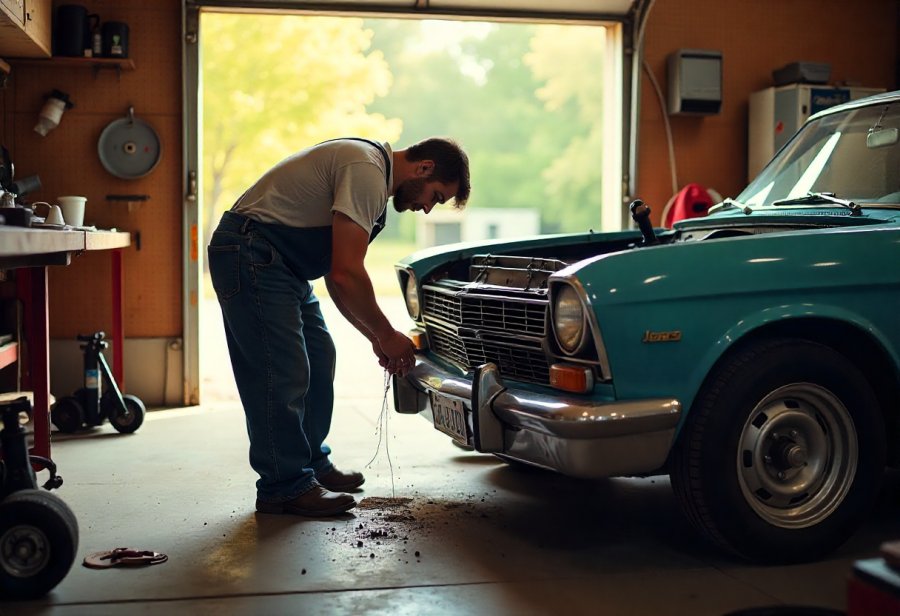
Transforming the Garage into a Sanctuary of Passion and Craftsmanship
The garage isn’t just a space to park a car or stash tools—it’s a personal retreat where passion for mechanics truly comes alive. For many backyard mechanics, this is their sanctuary, a dedicated haven to restore vintage machines, fine-tune engines, or simply tinker without interruption. The familiar scent of oil and grease mingles with the clutter of workbenches and shelves lined with tools, each piece telling a story of dedication and love for the craft.
This space often reflects its owner’s personality, filled with mementos like old photographs, handwritten notes, or rare parts collected over the years. It’s more than a workshop; it’s a personal museum where craftsmanship and memories merge. Working here offers a sense of purpose and calm, providing a break from the rush of everyday life. Many find it meditative—a place to unwind while honing skills and breathing new life into old machines.
Beyond the work itself, these garages serve as hubs of community and tradition. They are spaces where stories are exchanged, techniques are passed down, and the love for vintage engineering endures. Restoring a classic or rebuilding an engine isn’t just about the finished product; it’s about the process—learning, experimenting, and overcoming challenges along the way. This hands-on approach fosters a sense of achievement and connection, turning routine repairs into acts of craftsmanship and personal expression.
At their core, backyard garages symbolize patience, pride, and reverence for quality. Every detail, from dismantling a vintage engine to restoring surfaces, requires care and skill. These spaces celebrate craftsmanship in a world often driven by quick fixes and mass production. For the backyard mechanic, each project is a journey, and every successful restoration feels like a personal victory—a testament to the passion that fuels their work.
Understanding the significance of this space sets the stage for exploring the secrets and techniques behind mechanical revival. It’s within these walls that stories are uncovered, skills are sharpened, and history is preserved—highlighting the true spirit of the backyard mechanic’s sanctuary.
Uncovering Hidden Stories and Techniques in Mechanical Revival
Restoring old machines often feels like uncovering a hidden story, with each project revealing secrets passed down through generations. Backyard mechanics develop a keen eye for reading subtle clues—rust patterns, faint markings, or unusual wear—that tell them how a machine was originally built and how it can be brought back to life. These clues serve as breadcrumbs, guiding restorers through complex puzzles where techniques like meticulous cleaning, careful disassembly, and precise machining are essential. Many enthusiasts craft their own methods, blending traditional craftsmanship with modern tools to increase efficiency and accuracy. This process turns restoration into a game of discovery, where each part holds a story waiting to be revived.
At the heart of this passion is a deep respect for mechanical artistry. Restoring vintage machines isn’t just about fixing; it’s about understanding and honoring the craftsmanship of the past. Many backyard mechanics see their work as detective work—examining rusted bolts or worn gears for clues about the machine’s original design. Salvaging parts, sourcing rare components, or fabricating custom pieces becomes part of the narrative. These efforts reflect a dedication that goes beyond casual hobbying—it’s a commitment to preserving history. Breathing new life into a rusted engine transforms decay into revival, showcasing patience and skill rooted in reverence.
The emotional weight behind these efforts often ties back to personal or family stories. Restoring vintage machines reconnects enthusiasts with childhood dreams or honors family traditions. The garage becomes a sanctuary where time slows down, allowing reflection and focused craftsmanship. Every project, from rebuilding carburetors to restoring entire chassis, becomes a chapter in a larger story—one of learning, experimentation, and overcoming unexpected challenges. These hidden stories add depth and purpose, turning routine repairs into acts of love and reverence for mechanical heritage.
Restoration demands a detective’s intuition and an artist’s finesse. Disassembling a vintage engine reveals layers of history—rust, grime, and sometimes secrets hidden beneath the surface. Carefully analyzing each component helps identify what’s salvageable and what must be replaced. Techniques like media blasting or chemical treatments strip corrosion, while hand-polishing restores surfaces. Precision during reassembly ensures that even the smallest details—timing gears, surface alignments—are perfect, making each revival a delicate puzzle. The science of restoration, combined with craftsmanship, makes every project uniquely rewarding.
Behind the scenes, inventive hacks and lesser-known tools play a vital role. Seasoned mechanics develop resourceful methods—homemade rust removers or improvised engine pullers—that become their secret weapons. Creative reuse of parts, like repurposing bicycle components for engine lifts, demonstrates ingenuity that keeps projects moving forward. These tricks aren’t found in manuals—they emerge from experience, patience, and a willingness to experiment. Quiet innovations like these embody the true spirit of craftsmanship: resourceful, inventive, and dedicated to reviving old machines against the odds.
All these secrets—clues in rust patterns, custom tools, clever hacks—are part of a broader story of passion and perseverance. Restoring vintage machines isn’t just a technical task; it’s a personal journey of discovery. Each revival deepens the mechanic’s understanding and connection to their craft, highlighting that behind every successful project lies a tapestry of ingenuity. These stories of revival remind us that the heart of mechanical restoration beats strongest when fueled by love, patience, and a genuine desire to keep history alive.
The process is demanding but profoundly rewarding. Every bolt tightened, every surface polished, is a step toward resurrecting a piece of history. The thrill of seeing a machine come back to life—after hours of careful work and troubleshooting—is unmatched. It’s in these moments that the true secrets of restoration reveal themselves: patience, ingenuity, and a relentless love for the craft. In the end, it’s about more than fixing old machines; it’s about preserving a legacy that continues to inspire new generations of backyard mechanics.
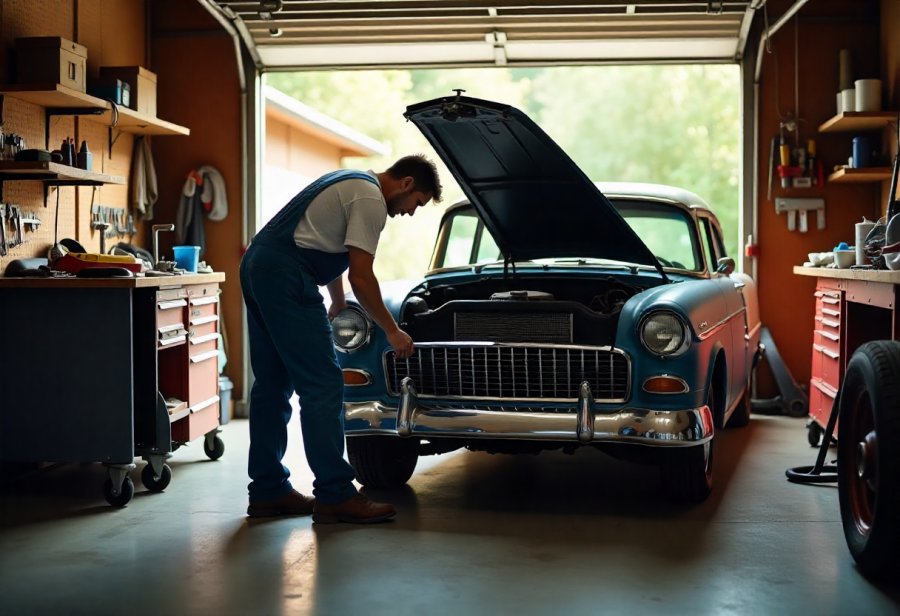
Mastering the Art and Science of Restoring Vintage Machines
Restoring vintage machines is a precise blend of technical skill and patience. It starts with a detailed assessment of each component, inspecting for rust, wear, or damage that could affect the rebuild. This initial step guides the restorer on what can be salvaged, what needs replacement, and what might require fabrication. Carefully disassembling the machine requires specialized tools—engine hoists, pullers, and delicate screwdrivers—to prevent damage to fragile parts. Keeping track of every piece, whether through notes or organized storage, ensures a smoother reassembly process later.
Cleaning and restoring parts form the foundation of a successful rebuild. Techniques like media blasting, chemical rust removers, and hand-polishing strip away grime and corrosion, revealing the true condition of each component. Once cleaned, parts often need machining or fitting with new pieces to meet original specifications. Finding or fabricating these parts demands patience and resourcefulness, but it’s essential for maintaining authenticity. Precision during this stage ensures that the machine will perform reliably once reassembled.
Reassembly is like solving a complex puzzle. Each bolt, gasket, and bearing must be installed with care, following exact torque specifications. Small details—such as aligning timing gears or fitting surfaces correctly—are critical to ensure smooth operation. Experienced restorers double-check their work, inspecting every component to prevent future issues. Rushing through reassembly can lead to mistakes or damage, so taking the time to verify each step pays off in reliability and performance.
Throughout the process, a combination of traditional craftsmanship and modern techniques often comes into play. Vintage engines might be rebuilt with hand tools, while digital measurement devices help ensure perfect fitment. This hybrid approach respects the machine’s history while leveraging technology to improve accuracy. Patience remains key—speeding through stages risks undoing hours of work and introducing costly errors. Methodical work ensures each revival is rooted in quality and precision.
Bringing a vintage machine back to life involves more than just fixing parts; it’s about honoring the craftsmanship of the past. Every successful restoration tells a story of dedication and skill, transforming neglect into revival. The process demands focus and meticulous attention, but the reward is a reliable, functional piece of mechanical history. It’s this careful, deliberate effort that preserves the authenticity and soul of each machine.
In essence, restoration is a craft that balances science and artistry. It requires diagnosing issues, sourcing or fabricating parts, and executing precise reassembly—all while respecting the integrity of the original design. Each project becomes a journey of discovery, where patience and skill turn rusted relics into dependable artifacts. The satisfaction of seeing a machine run smoothly again makes every challenge worthwhile, reinforcing the timeless appeal of vintage restoration.
Engaging Hands-On Learning to Foster Garage Skill and Confidence
Getting hands-on is the fastest way to truly grasp garage craftsmanship. Starting small—changing the oil, swapping spark plugs, or replacing filters—builds confidence and familiarizes you with the basic systems at work. These simple projects teach you how parts fit together and give practical insight into a vehicle’s mechanics, making more complex tasks feel less intimidating over time. Each successful repair encourages you to take on the next challenge with a little more assurance.
Having the right tools makes a big difference. A basic set of wrenches, screwdrivers, and a sturdy jack is enough to get started. As your skills grow, investing in specialized equipment like a torque wrench or engine hoist opens new possibilities. Organizing your workspace and keeping tools within easy reach helps you stay focused and makes projects more enjoyable. When everything is set up well, you’re more likely to stick with tasks and learn new techniques naturally.
Watching tutorials or reading manuals can accelerate your progress, but nothing beats actually doing the work yourself. Hands-on experience helps you understand how parts come together and sharpens your troubleshooting skills. Every small project, whether it’s replacing brake pads or tuning a carburetor, adds to your knowledge base. Over time, these wins build momentum, making bigger repairs feel less daunting and more rewarding.
Start with straightforward jobs like a tune-up or brake service to get the hang of essential skills. These tasks teach you how to diagnose issues, handle parts carefully, and follow step-by-step procedures. As confidence builds, you can move on to more involved projects like engine rebuilds or electrical wiring. The key is to challenge yourself gradually while enjoying each step of the process. Small successes reinforce motivation and deepen your understanding.
Disassembling parts reveals a lot about how machines work, and cleaning them thoroughly prepares everything for reassembly. Techniques like media blasting or chemical rust removers strip grime and reveal what can be restored or needs replacement. Attention to detail during cleaning ensures that each component is ready for a proper rebuild. This stage sets the foundation for a successful restoration and helps you learn to spot wear and damage early.
Patience is essential. Rushing through disassembly or reassembly can lead to mistakes and damage, undoing hours of work. Taking your time, double-checking each step, and keeping detailed notes or photos help ensure nothing is overlooked. Developing these habits turns garage projects from stressful chores into enjoyable learning experiences, making every repair a chance to hone your skills and grow more confident.
Ultimately, hands-on participation isn’t just about fixing cars—it’s about building a genuine love for the craft. Every bolt tightened and every surface polished deepens your understanding and connection to your work. With patience and practice, you’ll find that the garage becomes a space not only of technical mastery but of personal growth. This active involvement keeps the passion alive, transforming routine repairs into meaningful acts of craftsmanship.
Embracing Innovation and Passion to Shape the Future of Backyard Mechanics
The world of backyard mechanics is constantly evolving, blending traditional skills with new technologies that expand what’s possible in a home workshop. Today’s enthusiasts are embracing digital diagnostics, 3D printing, and advanced materials—tools that make sourcing rare parts, fabricating custom components, and speeding up repairs easier and more precise. These innovations turn the garage into a space of creativity and problem-solving, allowing hobbyists to take on projects that once seemed out of reach. Despite the influx of new tech, the core passion remains unchanged: a love for machines, a dedication to craftsmanship, and the satisfaction of restoring history one part at a time.
Online communities and social media platforms have played a huge role in fueling this ongoing enthusiasm. Sharing techniques, stories of success, and lessons learned across borders creates a vibrant, global network of backyard mechanics. This exchange of knowledge not only inspires newcomers but also keeps seasoned restorers motivated. Manufacturers are responding by developing specialized, affordable tools tailored for hobbyists—diagnostic kits, compact machine shops, and DIY parts—making vintage restoration more accessible than ever. This sense of community and shared purpose injects fresh energy into the craft, encouraging continuous innovation and learning.
Looking ahead, emerging technologies promise to further transform the hobby. Augmented reality (AR) and virtual reality (VR) are beginning to offer immersive tutorials that simplify complex repairs, while 3D printing allows for quick, cost-effective creation of hard-to-find parts, reducing dependence on rare originals. These advancements will make restoration projects more precise, efficient, and approachable, turning garages into mini innovation labs. As these tools become more commonplace, the boundary between old-school craftsmanship and cutting-edge tech will blur, creating exciting new possibilities for every backyard mechanic.
Yet, at its heart, this hobby remains driven by passion and perseverance. The desire to preserve mechanical history and share craftsmanship across generations keeps the spirit alive. Every restored engine or vintage vehicle is a testament to patience, skill, and love for machines. New enthusiasts bring fresh ideas and energy, blending time-honored techniques with innovative approaches. This dynamic mix ensures the future of backyard mechanics stays vibrant, inspiring others to pick up their wrenches and continue the legacy.
The future of the craft looks promising, with technology and community working hand in hand. Vintage machines will continue to be cherished and restored, passed along from one generation to the next. The garage remains a space of endless potential—where history is preserved, skills are refined, and creativity thrives. The love for mechanical revival fuels this ongoing journey, ensuring these spaces stay alive, vibrant, and full of new stories to tell. As more people discover the joy of working with their hands, the tradition of backyard restoration will grow stronger, shaping a future where craftsmanship and innovation go hand in hand.

Related Posts
Create Your Dream Outdoor Retreat with a Custom Deck

Transform Your Yard Into a Sustainable Outdoor Sanctuary