
Revolutionize Business Communication with Customizable Telephony Solutions
Imagine transforming your organization’s communication landscape with customized telephony solutions that boost efficiency and scalability—sounds promising, but how easily can these advanced systems be deployed and managed? Grandstream’s innovative devices and cloud management tools make this a reality, offering high-quality, user-friendly IP phones supporting seamless integration into existing networks. Their scalable solutions, including zero-touch provisioning and centralized management via GDMS, streamline mass deployment across multiple locations, reducing downtime and minimizing errors. But the true power lies in the ability to tailor features—call forwarding, conference calls, voicemail management—to fit your unique workflows. As your organization grows, can your communication system adapt swiftly without sacrificing quality? By optimizing network setup with QoS and VLANs, and emphasizing ongoing management and security, businesses gain a resilient, future-ready infrastructure. Are you ready to unlock the full potential of personalized telephony to elevate your operational efficiency?
Enhance Your Business Communication with FiberConX’s VoIP Solutions in Canada
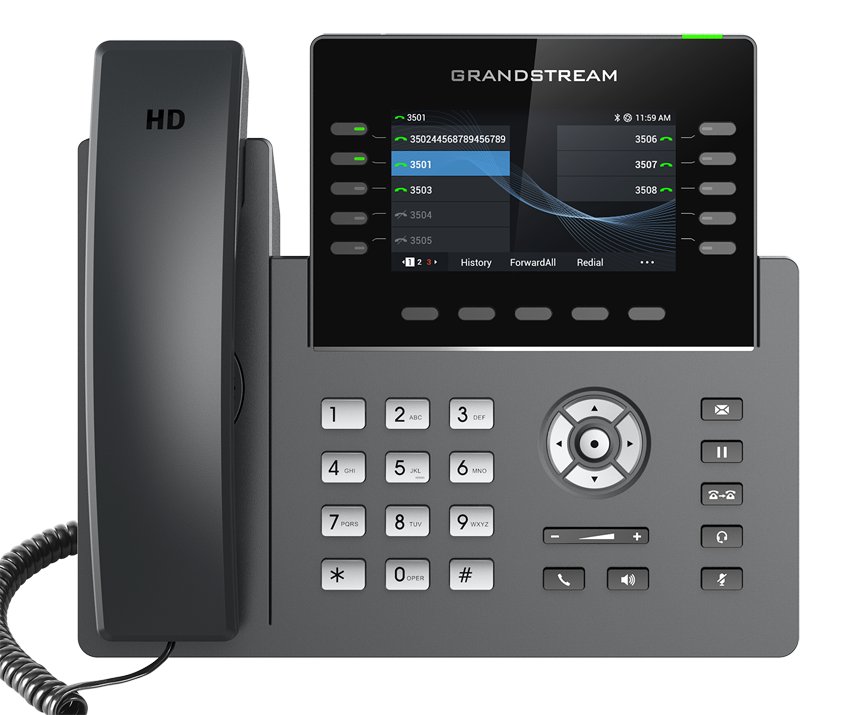
Discover the power of advanced VoIP and IP business phone services with FiberConX Communications in Canada. Our solutions feature robust functionalities like voicemail, IVR, Ring Groups, and voicemail-to-mail, ensuring seamless communication for your business. Optimize your customer interactions and streamline operations with reliable features tailored to your needs. For more information on our offerings, including the Grandstream GRP2615, contact FiberConX today at [email protected] or call 1.800.961.6856 to elevate your business communication infrastructure.
Transforming Business Communication with Customizable Telephony
In today’s fast-moving business environment, clear and reliable communication isn’t just a convenience—it’s a necessity. Companies of all sizes rely on their communication systems to keep operations flowing smoothly, serve customers effectively, and stay competitive. As needs evolve, so should the tools that support these interactions. This is where customizable telephony solutions come into play, offering a flexible way to tailor communication infrastructure to fit unique workflows and organizational goals. Instead of settling for rigid, off-the-shelf phone systems, businesses can now design solutions that grow and adapt alongside them.
Customizable telephony isn’t just about choosing different devices; it’s about creating a communication setup that aligns precisely with how your team works. Whether it’s integrating call forwarding, conference calling, or voicemail management, these tailored features streamline daily interactions and reduce common frustrations. Supporting a variety of devices—from traditional desk phones to wireless options—means employees can stay connected in ways that suit their roles and environments. This level of personalization ensures that communication becomes more efficient, more accessible, and ultimately more effective.
Beyond flexibility, the true power of these systems lies in how they enhance operational efficiency. When a business invests in a personalized telephony setup, it gains the ability to optimize workflows and improve customer service. Employees spend less time navigating complicated menus or troubleshooting, and more time focusing on their core tasks. Quick access to essential features accelerates decision-making and enriches client interactions, creating a ripple effect that boosts overall productivity. The result is a communication infrastructure that’s not just functional but strategically aligned with business priorities.
Integration also plays a crucial role. Many organizations already use various network and communication tools, making compatibility a top concern. Custom telephony solutions are designed to work seamlessly within existing infrastructure, supporting standard protocols like SIP. This compatibility simplifies deployment, reduces costs, and minimizes disruption. Whether deploying in a single office or across multiple locations, these systems support centralized management and scalable growth, making them a practical choice for organizations aiming to stay agile and responsive in a digital-first world.
Technological advancements, particularly in cloud management platforms, further elevate the value of customizable telephony. Cloud-based tools enable administrators to oversee their entire communication network remotely, handling device configurations, monitoring usage, and troubleshooting issues from anywhere. This centralized control simplifies management—especially for multi-site setups—and makes scaling or modifying systems straightforward. As businesses evolve, so does their communication infrastructure, ensuring that it remains resilient, adaptable, and ready to support future growth and innovation.

Grandstream Devices: Powering Modern, Flexible Communication Networks
Once you understand the importance of customizable telephony solutions, it’s essential to explore the role that reliable devices play in bringing these systems to life. Grandstream offers a comprehensive range of telephony devices tailored to meet the demands of modern, flexible communication networks. Designed with both performance and simplicity in mind, these devices support organizations aiming to upgrade or expand their existing setups without compromising quality or ease of management.
Grandstream’s IP phones are the backbone of their product lineup. They deliver high-definition audio, ensuring conversations are clear and professional, even in noisy environments. Many models feature intuitive interfaces with programmable keys, providing quick access to frequently used functions like speed dial, conference calls, or voicemail. This user-friendly design minimizes the learning curve, enabling staff to start using new devices efficiently right from the beginning. The focus remains on making communication seamless and straightforward.
Compatibility is a core strength of Grandstream devices. Supporting standard protocols like SIP, these phones integrate effortlessly with a wide range of VoIP providers and PBX systems. Whether deploying a handful of phones in a single office or managing thousands across multiple locations, these devices can be centrally configured, simplifying both setup and ongoing maintenance. Their support for management platforms like GDMS allows administrators to oversee large fleets remotely, handling firmware updates, security patches, and troubleshooting with ease. This scalability makes Grandstream devices ideal for businesses with growth plans or multi-site operations.
Durability and reliability are built into the design of each device. Crafted with quality materials and subjected to rigorous testing, Grandstream’s phones withstand the daily rigors of busy environments, such as call centers or multi-floor offices. This resilience ensures a lower total cost of ownership, as devices remain functional for years, reducing replacement and repair costs. Investing in durable hardware means organizations can focus on communication, not device management, and trust that their infrastructure will support long-term operational needs.
For organizations planning rapid expansion, Grandstream’s solutions excel in mass deployment scenarios. Features like zero-touch provisioning enable devices to be shipped pre-configured and automatically registered once connected, drastically reducing deployment time and minimizing errors. The company’s Device Management System (GDMS) offers a centralized platform to oversee all endpoints remotely, making device updates, security management, and configuration changes straightforward—even across dispersed locations. This streamlined approach supports business growth without overburdening IT resources or causing operational disruptions.
Finally, cloud management tools are transforming how businesses maintain their communication infrastructure. With platforms like GDMS, administrators gain real-time insights into device performance, usage patterns, and network health. Remote configuration, firmware updates, and troubleshooting can be handled from anywhere, ensuring continuous service without physical access to each device. This level of control allows organizations to adapt swiftly to changing needs—scaling up device fleets, adding new features, or responding to security threats—making Grandstream devices not just hardware, but integral components of a flexible, future-ready communication strategy.
Mastering the Art of Implementing Personalized Telephony Solutions
Planning and deploying a personalized telephony system starts with understanding your current communication needs. Take a close look at how your team interacts daily—identify which features are most used, where delays or confusion happen, and what could be improved. This insight guides your choice of devices, such as Grandstream’s flexible IP phones, ensuring they align with your specific workflows. Building your system around real-world requirements ensures it becomes a reliable backbone that boosts productivity and supports future growth.
Once your needs are clear, focus on a deployment strategy that emphasizes efficiency and simplicity. Cloud-based management tools like Grandstream’s Device Management System (GDMS) make this process straightforward. Devices can be shipped pre-configured and automatically registered when plugged in, cutting down setup time and minimizing errors. This zero-touch provisioning allows for rapid deployment across multiple locations, ensuring consistency and reliability from the outset.
Network setup is a critical piece of the puzzle. To deliver high-quality calls, your network must be optimized for voice traffic. Implement Quality of Service (QoS) rules that prioritize voice data over other network activity, reducing latency and jitter. Segment your network with VLANs to isolate voice traffic, preventing interference from internet browsing or file sharing. These adjustments help maintain crisp, clear audio during every call, whether it’s an internal check-in or a vital client meeting.
Managing your telephony system doesn’t stop at deployment. Regular monitoring and maintenance are essential to keep everything running smoothly. Cloud management platforms like GDMS provide a centralized dashboard where you can oversee device health, usage, and network performance in real time. Firmware updates, security patches, and configuration changes can all be handled remotely, reducing downtime and freeing your IT team to focus on strategic initiatives.
As your organization grows or evolves, so should your communication system. Use your management tools to scale up your device fleet easily, add new features, or refine call routing. Keep an open feedback loop with users to identify pain points and opportunities for improvement. Making ongoing adjustments ensures your telephony system remains aligned with your operational goals and continues to serve as a strategic asset.
Implementing a personalized telephony system also involves training your staff to maximize the benefits of new features. Clear, simple instructions on how to use advanced functions—like conference calling or voicemail management—can significantly enhance user adoption. Consider short training sessions or easy-to-follow guides to help staff feel confident and comfortable with the new setup, fostering a more productive and less frustrating communication environment.
Security is another vital aspect. Protect your system from potential threats by regularly updating firmware and applying security patches. Segment your network properly and enable encryption protocols supported by your devices. These steps safeguard sensitive conversations and ensure compliance with data protection standards. With a secure system in place, you can focus on communication without worrying about vulnerabilities.
Finally, remember that a successful implementation is an ongoing process. Consistently evaluate system performance, gather user feedback, and stay updated on new features or technologies. This proactive approach allows you to adapt swiftly to changing business needs and maintain an efficient, reliable communication infrastructure. By planning carefully, deploying thoughtfully, and managing diligently, you can unlock the full potential of your personalized telephony system and turn it into a key driver of your business success.



