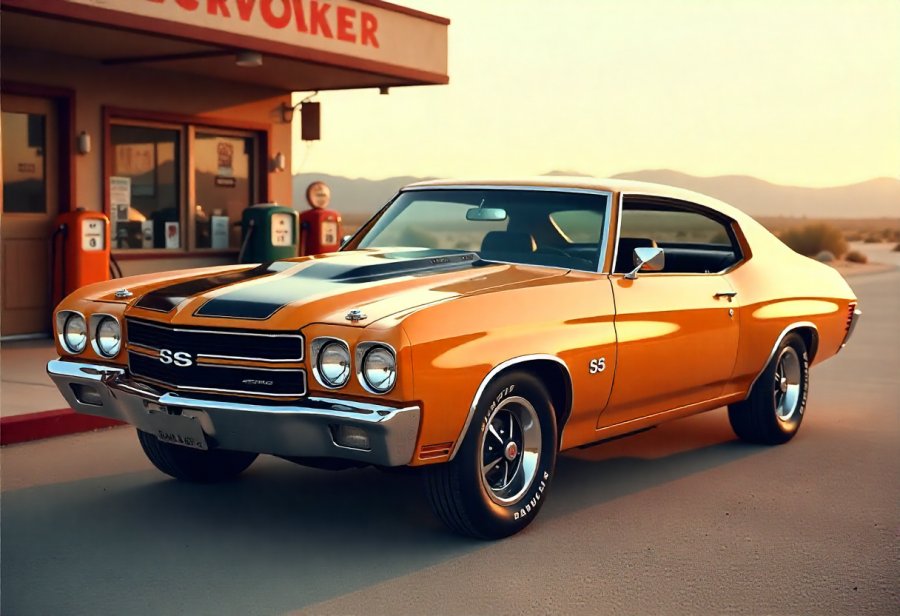
Unleashing the Power and Legacy of 1970s Muscle Cars
Step into the roaring world of the 1970s Chevrolet SS, a symbol of American muscle car dominance that continues to captivate enthusiasts today. With its thunderous V8 engine, aggressive styling, and vibrant colors, this era epitomized rebellion, power, and bold design. But can these vintage icons still hold their magic amidst modern advancements and rising restoration costs? From iconic models like the Chevelle SS 454 to their cultural legacy, these cars evoke nostalgia and pride, transforming everyday drives into exhilarating experiences. While owning and restoring a classic muscle car demands dedication, it also fosters community, family traditions, and a visceral connection to a golden age of automotive ingenuity. Curious about the financial aspects, practical impacts, and preservation efforts? This journey through the muscle car era balances raw power with heartfelt stories, inviting you to feel the relentless swagger of a bygone automotive era—where horsepower reigned supreme and legends roared to life.
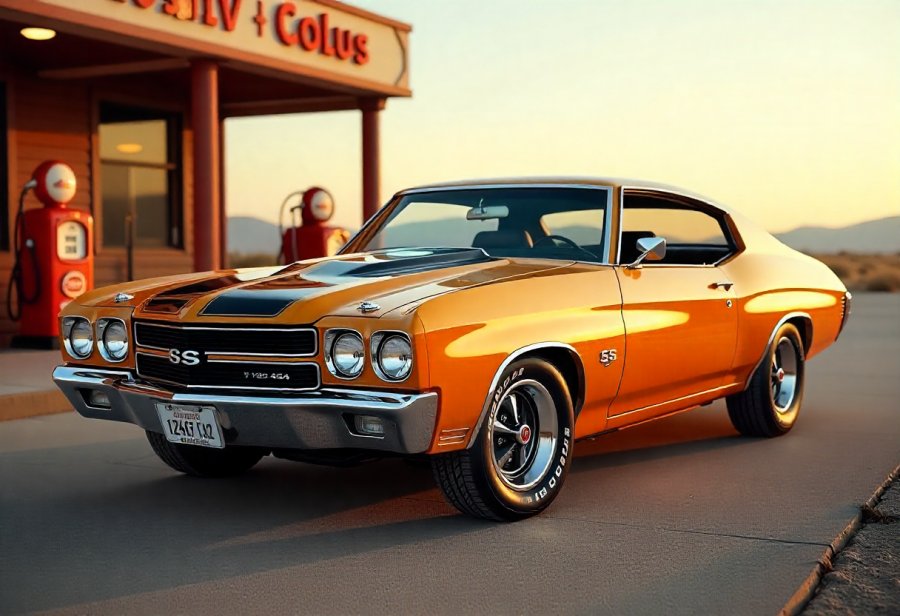
Unleashing Power and Spirit: The Iconic 1970s Chevrolet SS
The 1970s Chevrolet SS stands as a quintessential symbol of the muscle car era, capturing the bold spirit and unrestrained power that defined American automotive culture at the time. These cars weren’t just means of transportation; they were statements of freedom, rebellion, and youthful energy. With their aggressive styling, thunderous engines, and distinctive badges, Chevrolet’s muscle cars from this decade continue to evoke nostalgia for a time when horsepower reigned supreme on American streets.
This era was marked by fierce competition among automakers like Chevrolet, Ford, Dodge, and Pontiac. Each brand pushed engine performance and design to new heights, creating vehicles that weren’t just fast—they were visually striking and commanding attention. The Chevrolet SS, particularly the Chevelle SS 454, exemplified this trend with its impressive big-block V8 and muscular stance, making a bold statement wherever it appeared.
The sound of a muscle car like the Chevrolet SS is unforgettable. Starting the engine unleashes a deep growl that signals serious horsepower, turning heads and demanding respect. As it accelerates, the exhaust roars into a loud bark—an auditory badge of honor that embodies the raw performance and rebellious attitude of the era. It’s more than noise; it’s a visceral reminder of a time when American horsepower ruled the streets.
Visually, the vintage muscle car style from the 1970s is instantly recognizable. Bright colors like Hugger Orange and Rally Green, racing stripes, and bold graphics made these cars stand out even when parked. Muscular lines, wide stance, and aggressive front grilles conveyed speed and attitude, while chrome accents and hood scoops hinted at the brute power beneath the surface. Every detail was crafted to turn heads and evoke excitement.
As the decade progressed, these cars reached their peak, with manufacturers competing fiercely to produce models that balanced raw power with eye-catching design. The Chevelle SS 454, with over 450 horsepower, became an icon—embodying American muscle and the daring spirit of the golden age. Despite challenges like rising insurance costs and stricter laws, their legacy endures.
Today, these cars remain cherished symbols of American ingenuity and performance. Enthusiasts and collectors dedicate time and resources to restore and preserve them, keeping the spirit of the muscle car era alive. The Chevrolet SS continues to inspire passion, community, and a deep appreciation for a bold chapter in automotive history.
From Dawn to Peak: The Birth and Rise of the Muscle Car Revolution
The muscle car era in America began in the late 1950s, fueled by a desire for more power and eye-catching style. Car manufacturers like Chevrolet, Ford, Dodge, and Pontiac started pushing engine limits with big V8s, creating vehicles that could accelerate quickly and turn heads on the street. By the 1960s, muscle cars had become symbols of youthful rebellion and freedom, embodying an energetic, daring spirit that resonated across the nation. Models like the Chevrolet Chevelle SS and Pontiac GTO gained fame for their thunderous engines and aggressive looks, making performance and bold design their top priorities.
This period was characterized by bold design choices—muscular contours, wide stances, and vivid colors. The sound of a muscle car’s engine became part of its identity, signaling serious horsepower and attitude. Bright paints like Hugger Orange and Rally Green, racing stripes, and bold graphics created a visual language that suggested speed even when parked. These cars weren’t just meant to go fast—they demanded attention and expressed individuality, making them standouts on every street corner.
As the 1970s arrived, muscle cars hit their peak. Automakers competed fiercely, producing models with even more power and striking aesthetics. The Chevrolet Chevelle SS 454, equipped with a massive 454 cubic inch engine and over 450 horsepower, became an icon—an embodiment of American muscle and daring innovation. These vehicles combined raw performance with bold styling—bulging hoods, aggressive grilles, and wide tires—designed to make an immediate impact. Inside, features like bucket seats and sporty dashboards kept drivers engaged, adding to the thrill.
However, the muscle car boom faced significant challenges. Rising insurance premiums, stricter emissions laws, and soaring fuel prices in the mid-1970s slowed the momentum. Manufacturers had to adapt, and some muscle cars were toned down or phased out altogether. Despite these hurdles, the legacy of the 1970s muscle cars persisted. They became symbols of American ingenuity, inspiring future generations and maintaining their status as icons of power and style.
The sound of a vintage Chevrolet SS captures this golden age perfectly. Starting the engine unleashes a deep, resonant growl that speaks to its unrestrained power. Accelerating produces a loud, barking exhaust note—more than just noise, it’s a badge of honor. These auditory signals remind us of a time when horsepower ruled the streets and cars were built to be heard, commanding respect and attention wherever they roared.
In the end, the 1970s marked the height of American muscle car culture. It was an era when horsepower and bold design went hand in hand, creating cars that became legends. Their influence still resonates today, inspiring restorations, car shows, and a new wave of enthusiasts who appreciate their power, style, and rebellious spirit. The muscle car era remains a defining chapter in American automotive history, with models like the Chevrolet SS standing out as enduring symbols of strength and swagger.
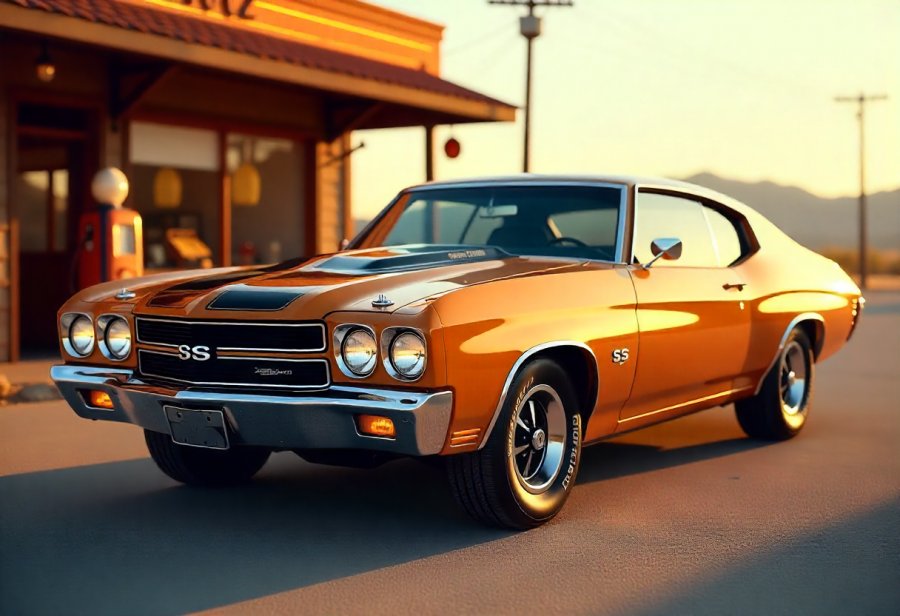
Living Legacy: The Enduring Allure and Value of Classic Muscle Cars
Today, vintage muscle cars like the Chevrolet SS hold a special place in the hearts of collectors and enthusiasts. Their rarity and historical significance drive strong demand, especially for well-preserved or fully restored models. Many owners dedicate significant time and resources to returning these cars to their original condition, transforming them into eye-catching showpieces that celebrate the golden age of muscle cars. The market remains lively, with auction houses regularly fetching high prices for rare, original specimens, underscoring their value as both collectibles and investments.
The appeal of these cars extends beyond their monetary worth. Enthusiasts see them as tangible links to an era of American automotive innovation and rebellion. Restorations are often meticulous, with owners sourcing original parts or period-correct components to maintain authenticity. This dedication keeps the legacy of muscle cars alive and makes them relevant in today’s car culture. Online communities, car shows, and media coverage further fuel this passion, turning these vintage vehicles into symbols of pride and nostalgia.
Despite their age, many Chevrolet SS models are driven regularly, though with care. Owners participate in club events, local meets, or weekend cruises, turning their passion into social experiences. These cars foster a sense of community, with owners sharing stories, tips, and experiences that deepen their connection to muscle car heritage. Maintaining or showcasing these vehicles often becomes a family affair, strengthening bonds across generations and creating lasting memories.
Market trends reveal that the value of these cars continues to grow, especially for models with documented history, original paint, and minimal modifications. Rare editions or pristine examples command premium prices, encouraging a thriving restoration industry. Shops dedicated to preserving authenticity and quality ensure that the legacy of these classic muscle cars endures, inspiring new generations of enthusiasts.
The cultural impact of owning a Chevrolet SS is evident in how these vehicles are celebrated at shows, parades, and community gatherings. They serve as rolling ambassadors of American ingenuity and rebellious spirit. Every appearance and story shared about these cars helps preserve their iconic status and encourages others to appreciate their craftsmanship, power, and style.
For many owners, these cars become more than just collectibles—they are family heirlooms and milestones. Restoring or maintaining a Chevrolet SS often involves passing down skills, stories, and passions through generations. These vehicles become symbols of pride, perseverance, and tradition, embodying a rich chapter of American automotive history that continues to inspire.
While challenges like sourcing parts and managing costs exist, the emotional rewards of owning a vintage muscle car often outweigh the hurdles. These cars aren’t just transportation; they’re living history, inspiring pride and community among those who cherish their power, style, and rebellious legacy. As long as enthusiasts keep sharing stories and restoring these classics, the spirit of the muscle car era will never fade.
Counting the Cost: Navigating Investments and Expenses of Restoring a Chevrolet SS
Owning a classic Chevrolet SS is as much about finances as it is about passion. The initial cost can vary widely, depending on the car’s condition, originality, and rarity. A project car needing extensive restoration might start at a few thousand dollars, while a fully restored, matching-numbers model can easily fetch tens of thousands. This broad range means prospective owners should carefully consider their goals—whether they want a driver or a showpiece—before making a purchase.
Restoration expenses tend to be the biggest part of the budget. Rebuilding or replacing engine components, body panels, interior details, and trim often requires sourcing rare or expensive parts. Skilled labor costs add up quickly, especially when aiming for authenticity. Owners who prioritize period-correct parts and original equipment often find themselves spending more, but the payoff is a vehicle that truly captures its historic essence.
Beyond restoration, ongoing maintenance presents its own financial challenges. Classic cars typically have higher insurance premiums, reflecting their collectible status and value. Storage costs—whether through a climate-controlled garage or specialized facility—also factor into the long-term expenses. Routine upkeep like oil changes, brake repairs, and electrical checks can be more costly than on modern vehicles, but they’re essential to keep these cars in top shape.
While the costs might seem steep, many owners view their investment as more than just money spent. Restoring and maintaining a Chevrolet SS can increase its value over time, especially if the work is done with care and precision. A well-preserved or expertly restored model often appreciates, making ownership both a hobby and a potential financial asset.
For those on a tighter budget, there are ways to enjoy muscle car culture without overspending. Reproduction parts and aftermarket upgrades can significantly reduce restoration costs, making it more feasible to bring a project to life. Selecting less rare or more complete cars reduces repair needs and expenses, allowing enthusiasts to participate without breaking the bank.
Planning for the financial side of ownership is key to sustained enjoyment. Unexpected expenses can arise, but having a realistic budget helps prevent frustration and keeps the focus on the love of these cars. Whether you’re restoring a Chevelle SS or simply maintaining a survivor vehicle, understanding the costs involved ensures that passion doesn’t turn into financial strain.
In the end, owning a vintage Chevrolet SS is a rewarding journey, but it’s one that requires a clear eye on costs. This awareness allows enthusiasts to balance their aspirations with their resources, ensuring that their connection to muscle car history remains joyful and sustainable. Proper planning keeps the legacy alive—fueling future restorations, shows, and memories built around these legendary vehicles.
Beyond the Garage: How the Chevrolet SS Shapes Culture, Community, and Daily Life
Owning a Chevrolet SS from the 1970s transforms everyday driving into a memorable experience. These cars aren’t just weekend showpieces; they become part of daily life, turning routine trips into moments of pride and excitement. The thunderous sound of the big-block engine signals presence, often sparking conversations at traffic lights or parking lots. For enthusiasts, it’s more than just a car—it’s a statement of passion that elevates the ordinary into something special.
Maintaining a vintage muscle car requires dedication, but many owners find the process deeply rewarding. Regular care—tuning the engine, cleaning the body, and sourcing original parts—becomes a ritual that nurtures a personal connection to the vehicle. This hands-on involvement fosters pride, transforming the act of ownership into a shared journey of craftsmanship and history. Over time, each drive feels like a tribute to the bold spirit of the muscle car era.
Beyond personal pride, these cars influence local culture and community. At car shows and parades, a well-restored Chevrolet SS stands out as a symbol of American ingenuity and rebellious energy. Sharing stories about restoration or customization builds camaraderie among enthusiasts, creating a vibrant network rooted in a common love for power and style. These gatherings reinforce the car’s role as a rolling ambassador of a golden age in automotive history.
For many owners, the Chevrolet SS becomes a family legacy. Restoring and caring for these cars often involves passing down knowledge, skills, and stories through generations. Family members gather around during restoration projects or car meets, strengthening bonds and creating lasting memories. The car’s presence at local events and family gatherings highlights its role as more than a machine—it’s a vessel of pride, tradition, and shared heritage.
Media and social media amplify the cultural impact of these vintage cars. They are featured in films, photos, and online forums, inspiring new enthusiasts and preserving their legendary status. Every photo taken or story shared helps keep the muscle car’s rebellious and powerful image alive, encouraging others to appreciate its craftsmanship and daring design. In this way, owning a Chevrolet SS connects individuals to a broader community that celebrates American muscle.
While sourcing parts and managing costs can pose challenges, the emotional rewards far outweigh the hurdles. Many owners find joy in restoring and showing their cars, knowing they’re preserving a piece of history. The act of sharing their passion at local meets or online keeps the legacy vibrant, inspiring newcomers and veteran enthusiasts alike. These cars become more than transportation—they are symbols of perseverance, pride, and the enduring spirit of American muscle.
In the end, owning a Chevrolet SS from the 1970s isn’t just about nostalgia; it’s about becoming part of a living tradition. These cars influence daily lives and cultural identities, fostering community and pride among those who value power and style. Each drive, each show, and each story shared reinforces the timeless appeal of the muscle car era, ensuring its legacy continues to roar into the future.



