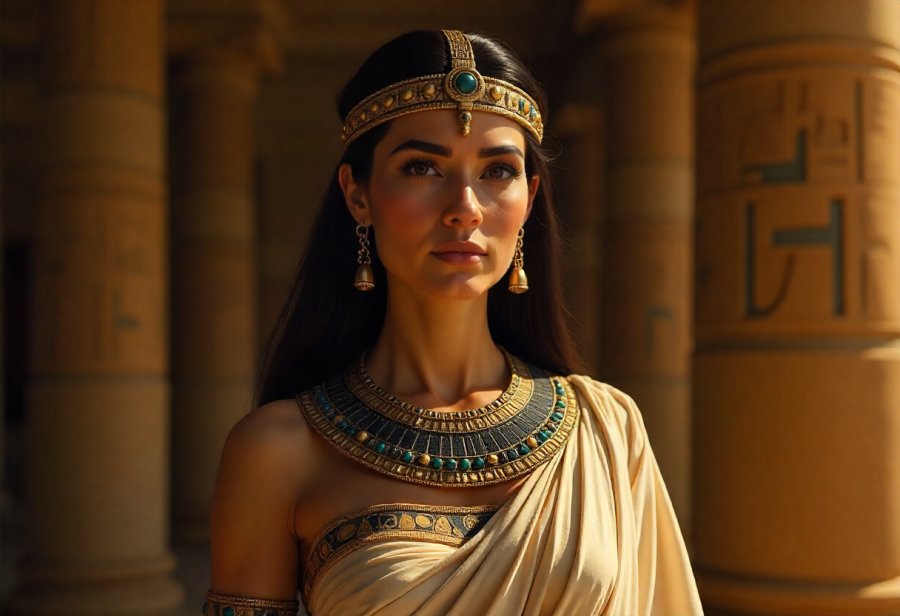
Cleopatra’s True Power: Wisdom, Resilience, and Cultural Influence
Cleopatra VII is often depicted as a glamorous seductress, but her true legacy lies in her extraordinary intellect, diplomacy, and resilience. Could her influence have been rooted more in strategic thinking than in superficial charm? Born into a Greek dynasty blending Egyptian culture, she navigated a turbulent political landscape with sharp insight, forging alliances with Rome’s powerhouses like Julius Caesar and Mark Antony—not through vanity, but through calculated statecraft. Her patronage of Alexandria’s scholarly and cultural institutions transformed her city into a hub of knowledge, emphasizing that influence extends beyond military might. Cleopatra’s leadership exemplifies the power of adaptability, cultural understanding, and strategic foresight—traits that outlived her reign and continue to inspire modern leadership. This compelling portrayal invites readers to reconsider her legacy: Was she a master diplomat, a scholar, or simply an enduring symbol of intellectual strength and resilience?
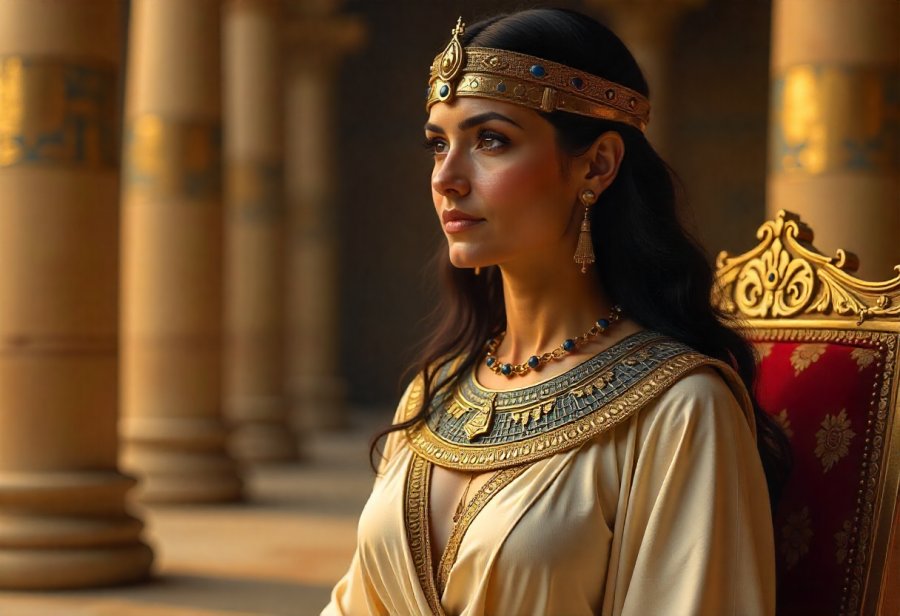
Unveiling Cleopatra: Beyond Beauty and Romance
Cleopatra VII is often remembered for her beauty and her romantic liaisons, but those images only scratch the surface of her true legacy. Behind the glamour was a ruler of exceptional intelligence and strategic insight—an Egyptian queen who understood that real power came from wit, diplomacy, and a deep understanding of her complex world. She was Egypt’s last active pharaoh, navigating a turbulent era with sharp political acumen and resilience.
Born into the Macedonian Greek Ptolemaic dynasty, Cleopatra’s roots were a blend of Greek heritage and native Egyptian culture. Her family had ruled Egypt for generations, establishing a court that combined Hellenistic traditions with native customs. This unique background gave her a broader perspective, one that allowed her to adapt to the diverse cultural landscape of her kingdom and its shifting political environment.
Her rise to power was no mere inheritance. After her father’s death, Cleopatra faced internal family rivalries and external threats. She quickly proved herself as a capable and determined leader, employing diplomacy and strategic alliances to secure her throne. Her ability to read her opponents and leverage relationships became hallmarks of her leadership style, setting her apart in a male-dominated society.
Throughout her reign, Cleopatra demonstrated that leadership was about more than surface charm or fleeting beauty. It was rooted in intelligence, resilience, and the ability to adapt. Her mastery of diplomacy, her support for Alexandria’s scholarship, and her skillful navigation of Rome’s expanding influence made her a formidable figure whose impact endures far beyond her legendary image.
Cleopatra’s World: Roots, Realms, and Rising Tensions
Cleopatra VII’s story begins in a world shaped by the aftermath of Alexander the Great’s empire. Born into the Macedonian Greek Ptolemaic dynasty that took control of Egypt after Alexander’s death, her family ruled with a blend of Hellenistic traditions and native Egyptian customs. Her ancestors, starting with Ptolemy I, established a court that combined Greek political styles with Egyptian religious practices, creating a unique cultural landscape. Despite her Egyptian title and efforts to foster native traditions, Cleopatra’s heritage was firmly Greek, and her family’s rule reflected a Macedonian-led power structure that had held sway for generations.
Her rise to power wasn’t simply inherited; it was a testament to her sharp political instincts and resilience. When her father, Ptolemy XII, died, Cleopatra faced a turbulent succession marked by internal family rivalries and external threats. She quickly demonstrated her ability to navigate these challenges, employing diplomacy and forming strategic alliances to secure her position. Her intelligence and determination set her apart in a society where women rarely held such authority, especially in the male-dominated world of ancient politics.
During her reign, Egypt found itself at a crossroads as Rome’s influence expanded across the Mediterranean. Alexandria, Egypt’s capital, stood as a thriving center of learning and commerce but also a target for external ambitions. Cleopatra’s leadership required balancing internal stability with external diplomacy—an intricate game of alliances and negotiations. Her relationships with powerful Roman figures like Julius Caesar and Mark Antony were not just personal but carefully crafted moves designed to maintain Egypt’s independence amid a rising imperial tide.
Beyond politics, Cleopatra was a patron of culture and scholarship. Alexandria’s legendary library and academic centers flourished under her support, turning the city into a beacon of knowledge. She understood that influence extended beyond military might; fostering intellectual and cultural growth helped cement her legacy as a wise and formidable ruler. Her ability to blend political savvy with cultural patronage reinforced her position, making her a leader whose impact transcended mere territory.
All these elements—the complex lineage, the shifting geopolitics, and her strategic acumen—shaped Cleopatra’s world. Her background and the turbulent environment of her time reveal a ruler who mastered the art of adaptation and diplomacy. Understanding this context illuminates how her leadership was rooted in more than just beauty or charm; it was driven by a keen intellect and a resilient spirit that navigated the stormy waters of history.
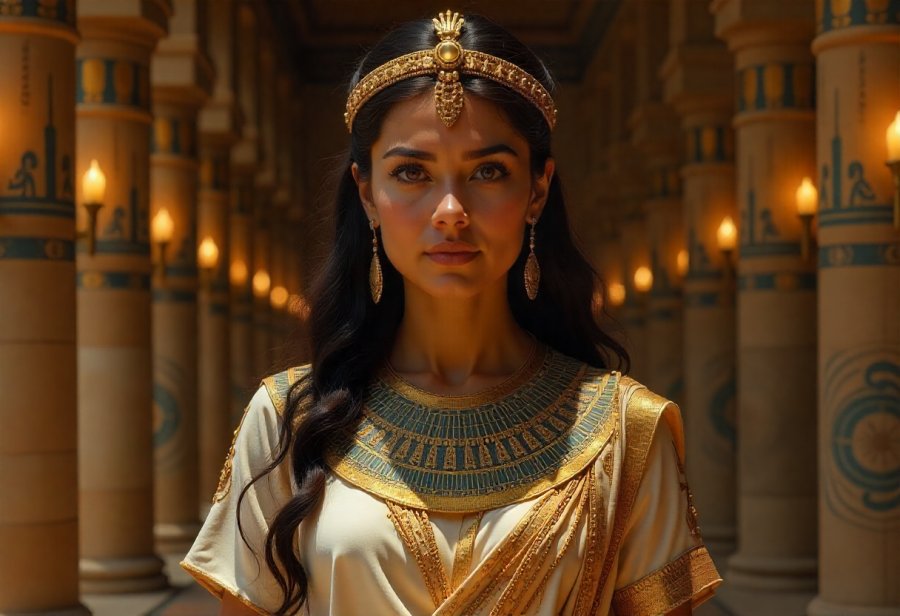
Mastermind of Power: Cleopatra’s Strategy, Diplomacy, and Wisdom
Cleopatra’s leadership was built on a foundation of sharp strategy, diplomatic finesse, and keen intelligence. She understood that true power extends beyond commanding armies or issuing decrees; it’s about shaping perceptions and influencing alliances. Whether negotiating with Rome’s top figures like Julius Caesar and Mark Antony or managing internal court factions, Cleopatra relied on diplomacy as her primary tool. Her ability to read political environments, anticipate rivals’ moves, and adapt her approach kept her steps ahead of adversaries and allies alike.
Her intelligence went beyond politics. Cleopatra was a scholar and a patron of learning, recognizing that knowledge was a powerful form of influence. Supporting Alexandria’s renowned library and academic centers, she transformed her city into a hub of scholarship and innovation. This cultural leadership not only reinforced her authority but also elevated Egypt’s status in the ancient world, demonstrating that influence rooted in ideas can be as formidable as military might.
What set Cleopatra apart was her strategic mindset. She masterfully formed alliances through marriage, diplomacy, and cultural exchanges, knowing that influence often outweighs force. Her relationships with Julius Caesar and Mark Antony weren’t just personal or romantic but carefully calculated political moves designed to secure her throne and Egypt’s independence. Her skill in leveraging these partnerships showcased her mastery of complex power dynamics and her ability to negotiate from positions of strength.
Managing internal challenges was another key aspect of her leadership. Cleopatra faced court factions, gender biases, and resistance from those who doubted her authority as a female ruler. Her resilience and strategic adaptability allowed her to turn dissent into opportunities for consolidation. Her calm, forward-thinking approach often transformed problems into stepping stones, illustrating her resilience and creative problem-solving.
Ultimately, Cleopatra’s core qualities—her strategic thinking, diplomatic skill, and intellectual depth—made her more than a figure of beauty or romance. She understood that influence stems from the mind, and her ability to navigate a turbulent world with intelligence and finesse cemented her legacy as a leader who valued wisdom and adaptability above all.
Modern Lessons from a Legendary Leader: Insights from Cleopatra’s Reign
Cleopatra’s leadership offers timeless lessons that remain relevant today, especially in how she navigated complex power dynamics with intelligence and strategic foresight. One key aspect was her ability to forge alliances that extended beyond personal relationships—these were carefully calculated political moves aimed at strengthening her position and safeguarding Egypt’s independence. Modern leaders can learn from her emphasis on relationship-building, understanding that enduring influence often depends on strategic networks rather than reliance on force alone.
Her commitment to knowledge and culture was another cornerstone of her leadership. Supporting the arts, sciences, and scholarly pursuits in Alexandria, Cleopatra recognized that fostering intellectual growth reinforced her authority and resilience. Today’s leaders who invest in education, innovation, and cultural initiatives create a foundation for adaptability and long-term success, much like Cleopatra did by transforming Alexandria into a vibrant hub of learning and ideas.
Adaptability was central to her strategy. Cleopatra faced internal dissent, external threats, and the unpredictable tides of Roman expansion. Her flexibility in shifting alliances and tactics allowed her to turn challenges into opportunities. She demonstrated that agility—being open to change and quick to reassess—can be a decisive advantage in leadership. Leaders today can take a page from her playbook by remaining calm under pressure, reevaluating strategies, and embracing new approaches as circumstances evolve.
Resilience underpins her legacy. Despite gender biases and court rivalries, Cleopatra refused to be deterred. Instead, she used her intelligence and diplomatic skills to transform obstacles into sources of strength. Her persistence highlights that resilience, coupled with strategic thinking, is vital for overcoming setbacks and maintaining influence during turbulent times. Modern leaders can find inspiration in her ability to persist and adapt in the face of adversity.
Her nuanced understanding of cultural influence also offers valuable insights. By blending Egyptian traditions with her Greek heritage, Cleopatra fostered a sense of shared loyalty that transcended superficial differences. Cultivating cultural awareness and inclusivity can help today’s leaders build trust and loyalty across diverse groups. Influence rooted in shared values and understanding often has a more lasting impact than superficial charm or force.
Cleopatra’s example reminds us that effective leadership hinges on wisdom, cultural savvy, and resilience. Her ability to influence through ideas, foster loyalty, and adapt to changing circumstances underscores the importance of strategic thinking and emotional intelligence. Leaders who prioritize these qualities can create lasting legacies, demonstrating that true power lies in the mind and the capacity to inspire through insight and understanding.
Eternal Legacy: Cleopatra’s Enduring Influence as Scholar-Queen
Cleopatra’s leadership extended far beyond her political alliances and diplomatic maneuvers; her true strength lay in her dedication to knowledge, culture, and resilience. She recognized that influence rooted in wisdom and intellectual engagement could forge a legacy more enduring than any military conquest. Her efforts to transform Alexandria into a vibrant hub of scholarship and innovation, supporting the legendary Library and fostering a dynamic environment of learning, underscore her strategic vision. This cultural patronage reinforced her authority and elevated Egypt’s standing in the ancient world, demonstrating that influence deeply connected to ideas and shared knowledge could be as powerful as force.
Her ability to adapt to a turbulent and shifting landscape highlights a core element of her leadership. Faced with internal court rivalries, external threats, and the unpredictable tides of Roman expansion, Cleopatra remained calm and flexible. She quickly reassessed her strategies, turning obstacles into opportunities for strengthening her position. Her resilience and strategic foresight allowed her to navigate complex geopolitics with remarkable finesse, often staying several steps ahead of enemies and allies alike. This capacity for adaptability is a vital lesson for leaders today, emphasizing the importance of staying open to change and embracing new approaches under pressure.
Throughout her reign, Cleopatra exemplified that true power comes from the mind, not superficial charm or fleeting beauty. Her legacy challenges the stereotypes often associated with female rulers in history, revealing that influence is rooted in strategic thinking, cultural savvy, and perseverance. She understood that leadership based on insight and understanding creates a lasting impact, inspiring future generations to value wisdom and resilience over surface appearances. Her story reminds us that genuine authority depends on the ability to influence perceptions, foster loyalty, and navigate complex relationships with intelligence.
Cleopatra’s life offers a timeless lesson: leadership rooted in the capacity to think ahead, foster shared values, and adapt to change can leave a legacy that endures across centuries. Her mastery of diplomacy, her unwavering support for learning, and her skill in forging alliances demonstrate that influence built on ideas and cultural understanding can surpass the fleeting nature of power based solely on force. Her resilience and strategic mindset turned her into more than a legendary figure of beauty—she became a symbol of intellectual strength and enduring influence.
Her legacy continues to resonate because she understood that influence is more than surface-level charisma; it is about shaping perceptions and inspiring loyalty through shared knowledge and cultural respect. Cleopatra’s story encourages modern leaders to prioritize wisdom, emotional intelligence, and adaptability—qualities that foster trust and long-term stability. Her example underscores that true leadership involves cultivating a deep understanding of people and ideas, transforming influence into a lasting force.
Reflecting on her life, it’s clear that Cleopatra’s true greatness lies in her ability to combine resilience, intelligence, and cultural insight. She proved that leadership driven by knowledge and strategic thinking can withstand the test of time, even amid chaos and change. Her legacy challenges us to see influence as a product of the mind and spirit—an enduring power rooted in ideas, values, and the capacity to inspire others through shared understanding.
Her story reshapes how we view leadership itself, emphasizing that strength resides in the capacity to think critically, foster loyalty, and navigate complex relationships with wisdom. Cleopatra’s example demonstrates that influence rooted in intelligence and cultural awareness can leave a mark far more lasting than superficial charm or brute force. Her life’s work reminds us that true authority is built on the foundation of ideas, resilience, and the courage to innovate in the face of adversity.
In the end, Cleopatra remains a symbol of what it means to lead with the mind. Her legacy as a scholar-queen proves that lasting influence depends on the power of ideas, the resilience to adapt, and the vision to see beyond immediate gains. Her story inspires us to value wisdom and cultural understanding as the true sources of strength—lessons that continue to hold relevance in leadership today. Her enduring impact reminds us that the most profound influence is rooted in the capacity to inspire through insight and shared purpose.



