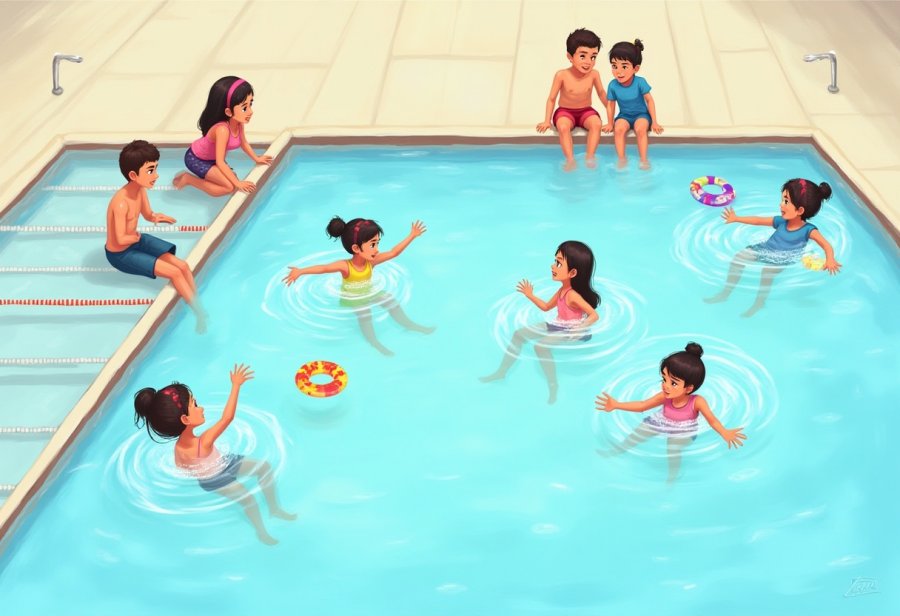
Transform Water Fears Into Confidence and Joy
What if the greatest obstacle to learning to swim at any age is simply mustering the courage to take that first step? This inspiring guide delves into transforming water fears into confidence, emphasizing that progress—no matter how small—is the true triumph. Through understanding the roots of water anxiety—often rooted in childhood memories—and adopting gentle, positive exposure strategies, learners can gradually build trust in water. Modern methods, supportive tools, and innovative technology make overcoming these fears more accessible than ever, whether through private lessons, group classes, or online resources. Real-life success stories highlight that mastering water safety isn’t just about strokes; it’s about reclaiming independence, safety, and joy. This journey from apprehension to empowerment encourages readers to see water as a source of freedom, inviting them to embrace the challenge and unlock a lifetime of confidence and adventure.
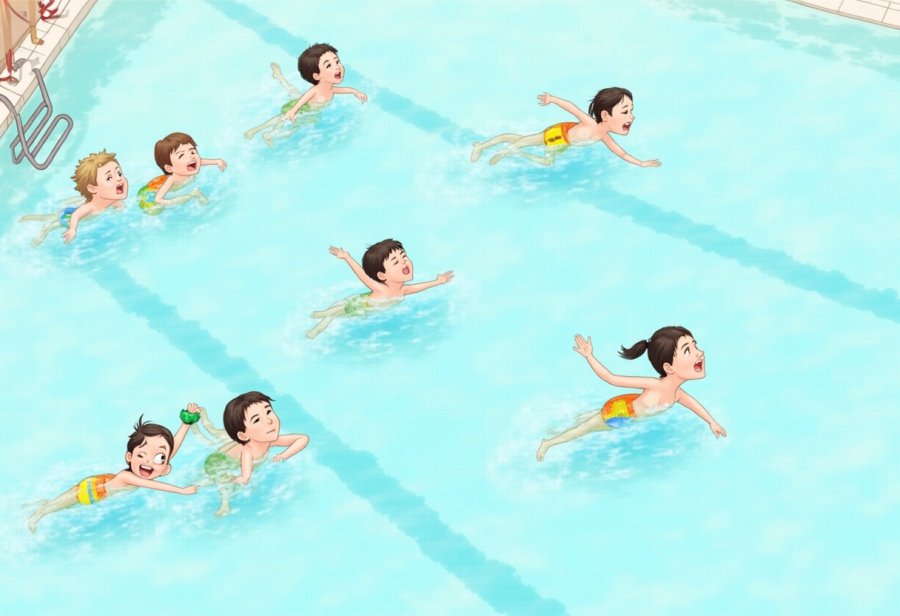
Embark on a Transformative Journey to Water Confidence
Learning to swim isn’t just about learning strokes or staying afloat—it’s a journey that can change how you see water and yourself. For many adults, fears or memories from childhood make the idea of stepping into a pool feel intimidating or even overwhelming. But here’s the good news: it’s never too late to start, and even small, consistent steps can lead to a big boost in confidence. Whether you want to feel safer in the water or simply enjoy it as a relaxing activity, overcoming water fears begins with that first brave move.
A lot of water anxiety comes from past experiences—maybe a sudden splash or a frightening incident that left a lasting impression. It’s natural to feel uneasy, especially if water feels unfamiliar or unpredictable. Recognizing where these fears stem from can help you approach them with patience and kindness. Building trust in water doesn’t happen overnight; it’s a gradual process of exposure and reassurance that turns fear into familiarity.
Changing your mindset is a crucial part of the journey. Instead of viewing water as something to conquer or fear, see it as a place for growth and discovery. Celebrate small victories—like splashing water on your face or floating with support—and use these moments to boost your confidence. A positive attitude and gentle persistence make the experience less stressful and more empowering, encouraging you to keep moving forward.
Starting your water confidence journey today is easier than ever, thanks to modern teaching methods and supportive resources. Whether through private lessons, group classes, or online tutorials, the key is to go at your own pace. Supportive tools like floaties and kickboards help you feel secure while practicing basic skills, transforming daunting moments into achievable milestones. Remember, progress is about consistency and patience, not perfection.
Taking that first step might seem small, but it’s the gateway to lifelong water confidence. Each moment you spend getting comfortable in the water—no matter how minor—brings you closer to a future where water is a source of safety, joy, and freedom. With patience and support, what once felt impossible can become an everyday part of your life, opening the door to new adventures and peace of mind.
Understanding Water Fear: Origins and the Power of a Positive Mindset
Water anxiety often starts with emotional memories that stick with us long into adulthood. For many, it traces back to childhood—perhaps a sudden splash or a frightening incident that left a lasting impression. These moments can create a sense of unease that lingers, making the idea of getting into water feel intimidating or even overwhelming. It’s a natural response to feel cautious when water feels unpredictable or unfamiliar, as our brains interpret these situations as threats to safety.
Understanding where this fear originates can make a real difference. This isn’t just about learning swimming techniques; it’s about addressing the mental barriers that hold you back. When fear takes hold, hesitation and panic can make progress seem impossible. Recognizing that these reactions are normal helps you reframe your approach. Instead of fighting the fear, you can work with it, gradually easing into water exposure in a way that feels safe and manageable.
Much of water anxiety stems from the unknown. The more familiar you become with water—through gentle, repeated exposure—the less intimidating it appears. Small steps like wading into shallow water, splashing your face, or floating with support help your mind associate water with calm rather than danger. This process of building familiarity is key to shifting your mindset from fear to confidence.
A positive attitude is essential. Viewing water as a place for growth, rather than a battleground to conquer, transforms your experience. Celebrate the small victories, such as getting your face wet or floating with support, and use these moments to reinforce your trust in water. Patience and kindness toward yourself are vital, especially when setbacks occur—they’re simply part of the learning curve.
Modern approaches to swimming emphasize emotional safety alongside skill-building. Supportive techniques like playful activities, encouraging instructors, and helpful equipment—floaties, kickboards, or goggles—make the water less threatening. These tools create a foundation of reassurance that allows you to focus on progress without feeling overwhelmed.
Building water confidence is ultimately about understanding and managing your fears. The journey involves gentle exposure, positive reinforcement, and a mindset shift that turns water from a source of anxiety into a space for discovery. With each small step, you reprogram your relationship with water, paving the way for lifelong confidence and enjoyment.

Modern Methods and Supportive Resources to Start Your Water Confidence Journey
Starting your water confidence journey today is easier than ever, thanks to a variety of supportive resources and innovative teaching methods. Modern swim programs focus on creating welcoming, safe environments where beginners can take small, manageable steps to overcome their fears. Whether you choose private lessons, group classes, or online tutorials, the key is to move at your own pace and celebrate every milestone.
Supportive tools like floaties, kickboards, and gentle guidance from patient instructors help you feel secure while practicing fundamental skills. These aids transform what once seemed overwhelming into achievable moments of progress. Remember, it’s not about rushing into deep water but building trust and comfort gradually—each small step brings you closer to confidence.
Every person’s water confidence journey is unique. Patience is essential as you focus on tiny wins—sitting near the pool, splashing water on your face, floating with support. Repeating these simple actions helps reinforce your trust in water and reduces anxiety. Consistent practice, even in short sessions, gradually chips away at fear and fosters a sense of safety.
The landscape of swimming education has shifted significantly. Today’s approaches emphasize emotional comfort alongside technical skills. Playful activities, positive reinforcement, and personalized pacing create an environment where learners feel less pressured and more motivated. This supportive atmosphere makes starting less intimidating and more inviting.
Technology is also reshaping how beginners approach water safety. Virtual reality and augmented reality tools familiarize you with water in a virtual setting before stepping into the pool, easing nerves and building familiarity. Digital apps that track progress and provide tailored lessons can keep motivation high, making your water confidence journey more engaging and less stressful.
Whether practicing alone or with an instructor, feeling safe and supported should always be your priority. Building trust in water is a gradual process that relies on patience and kindness. Every small victory, from dipping toes in to floating with assistance, contributes to a growing sense of independence and reassurance.
Taking that initial step might seem minor, but it sets the foundation for lifelong skills and confidence. With the right mindset, resources, and support, overcoming water fears becomes a rewarding experience. Each effort you make not only improves your safety but also opens up a world of water-based activities and enjoyment, transforming apprehension into freedom.
Smart Budgeting for Your Water Safety and Learning Investment
Learning to swim involves some upfront costs, but understanding these expenses early can make planning easier and keep you motivated. The most noticeable investment tends to be in lessons, which range from affordable group classes at community centers to more personalized private instruction. Group lessons are budget-friendly and offer social support, while private lessons can accelerate progress, especially if you’re working through specific fears or looking for tailored guidance. Investing in quality instruction is crucial—it builds confidence and ensures safety, making it a worthwhile expense on your water confidence journey.
Beyond lessons, basic equipment like goggles, swim caps, and kickboards can enhance your comfort and safety in the water. These tools are generally affordable and come in a variety of price points, from inexpensive basics to higher-end gear that lasts longer. Small investments like these can boost your confidence, help you practice more effectively, and make each session more enjoyable. Choosing comfortable, well-fitting gear encourages consistent practice, which is key to overcoming fears and building skills.
Additional costs might include memberships or access fees at local pools or community facilities. Many of these places offer low-cost or even free beginner programs, especially through community organizations or nonprofits dedicated to water safety. Regular access is vital—frequent practice helps reinforce your trust in water and accelerates progress. Some communities also provide subsidies or discounted rates, making it easier to stay committed without straining your budget. Shopping around and exploring local resources can help you find the best options that align with your financial situation.
While the costs can add up, there are plenty of affordable ways to start. Many community pools, YMCA centers, and nonprofit organizations run beginner programs designed specifically for adults overcoming water fears. Online tutorials, instructional videos, and local meetups can supplement formal lessons at little to no cost, offering flexible ways to practice. Planning ahead and researching local options ensures you stay within your budget while making steady progress. Remember, these investments are stepping stones toward lifelong water confidence and safety.
Viewing these expenses as an investment rather than just an expense shifts your mindset. The skills you gain—safety, health, independence—are valuable assets that last a lifetime. For children, it’s an essential gift that stays with them forever. For adults, learning to swim restores a sense of freedom and security around water. When you consider the peace of mind and physical benefits, the costs become a small price to pay for the confidence and enjoyment that come with mastering this vital skill.
Balancing costs with your goals depends on realistic budgeting and resourcefulness. With some research and planning, you can access quality instruction and equipment without overspending. Every dollar spent on lessons, gear, or pool access is an investment in your safety and well-being. Making these financial choices thoughtfully ensures that your journey to overcoming water fears remains sustainable and rewarding. The initial costs are a small price for the lifelong benefits—confidence, safety, and the joy of water—that await you.
Inspiring Success Stories: How Learning to Swim Changes Lives
Learning to swim can significantly change lives beyond just acquiring a new skill. For many adults, overcoming a deep-seated fear opens doors to independence and new experiences. Take Sarah, for example—she spent years avoiding pools and beaches, feeling anxious at even the thought of water. After supportive lessons and gentle exposure, she gained confidence and now swims comfortably in lakes and pools. Her story highlights how conquering water fears can lead to a newfound sense of freedom and peace of mind.
Children who learn to swim often see their confidence grow in ways that extend well beyond the pool. For some, it’s about feeling safer during family outings or sports, reducing anxiety around water. A young boy named Liam was terrified of the deep end, but with patient instruction and small wins, he now swims across the pool and even enjoys snorkeling on vacations. These milestones aren’t just about strokes—they’re about resilience, trust, and a belief in oneself that spills into other areas of life.
The impact of learning to swim often ripples through families and communities. Parents who face their own fears set inspiring examples, encouraging a culture of water safety and confidence. Many families find that swimming together creates stronger bonds and shared memories—whether paddling at the beach or practicing in local pools. These experiences foster a sense of collective achievement, reinforcing that it’s never too late to start and that persistence pays off.
Progress is built on small victories. One adult shared how she celebrated each new step—dipping her toes, floating with support, swimming a few strokes—until she felt comfortable swimming independently. These moments build trust and diminish anxiety, proving that every effort counts. Her journey reminds us that overcoming water fears is as much about patience and persistence as it is about technical skills.
Stories like these show that mastering water safety and swimming isn’t just about skills; it’s about transforming anxiety into empowerment. Whether it’s a teenager overcoming her initial panic or an adult reclaiming confidence, these journeys demonstrate that with support and perseverance, water fears can be replaced with lifelong confidence. The rewards go beyond the pool, enriching lives with safety, joy, and a sense of achievement that lasts a lifetime.