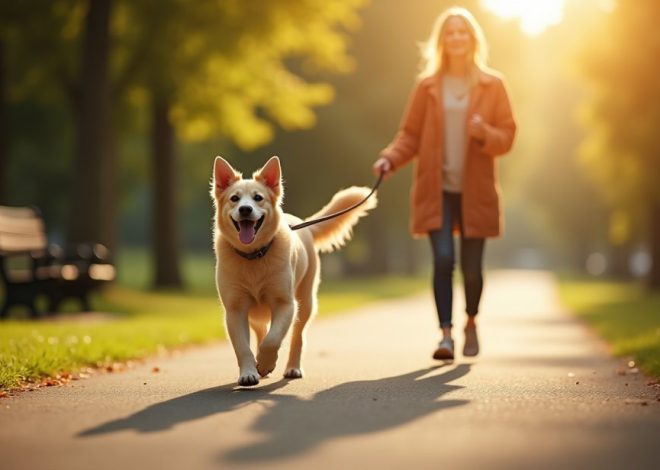
Transform Chaotic Walks into Calm Bonding Moments
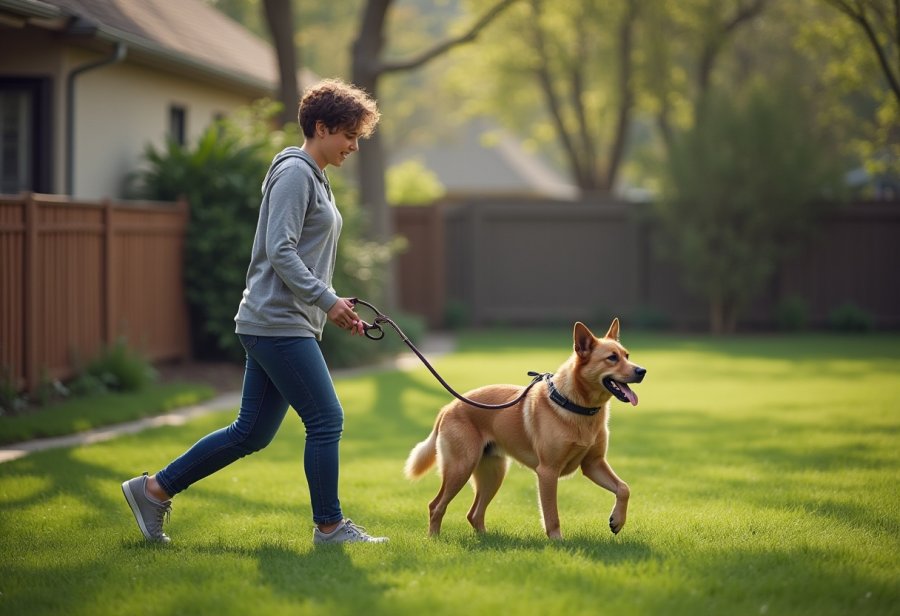
Mastering the art of calm dog walking transforms daily routines into moments of trust, connection, and mutual respect. This guide explores how gentle communication, positive reinforcement, and patience can turn chaotic outings into peaceful shared experiences. But what if distractions, pulling, or canine hesitations threaten progress? The solution lies in systematic training across various environments—urban streets, parks, or stores—gradually desensitizing your dog to stimuli while reinforcing calm behavior. With affordable tools and consistent routines, any owner can build a trusting partnership that reduces stress and enhances safety. Is it possible that these simple techniques could redefine your bond? Absolutely. As you navigate setbacks with patience and adapt strategies to your dog’s personality, you’ll see your walks evolve from stressful chores into joyful, bonding adventures—proof that peaceful, focused walks are an achievable, rewarding goal for every dog and owner.
Transforming Outings: The Power of Calm Dog Walking
Walking calmly with your dog isn’t just about keeping them from pulling on the leash. It’s about creating a peaceful, respectful connection that makes every walk more enjoyable for both of you. When your dog learns to stay relaxed and focused beside you, the experience shifts from chaotic to calm, reducing stress and making outings safer. This kind of calm walking isn’t just a training technique; it’s the foundation for trust, clear communication, and mutual understanding.
Teaching your dog to walk calmly is about more than controlling their movements. It’s about building a partnership based on patience and gentle guidance. A relaxed dog who stays at your side signals a strong bond rooted in trust. This not only makes outings more pleasant but also helps prevent behavioral issues like pulling, lunging, or distraction. When your dog feels secure and focused, walks become shared moments of connection rather than battles of control.
The benefits go beyond behavior. Calm leash walking reduces the physical and emotional stress that can accumulate during stressful walks. It transforms a routine activity into an opportunity for bonding and mutual respect. For owners, this means fewer frustrations and more quality time with their pet. For dogs, it’s about feeling safe and confident, knowing they can enjoy walks without chaos or anxiety.
This guide is designed for all dog owners—whether you’re just starting out or looking to refine your skills. No matter your experience level, the goal remains the same: fostering a peaceful, cooperative walking relationship. With straightforward techniques, patience, and consistency, you can turn daily walks into moments of calm and connection that strengthen your bond.
Mastering calm walking isn’t just about training; it’s about creating a shared language of trust. When your dog understands what’s expected and feels supported, they’re more likely to remain relaxed and attentive. These peaceful walks build confidence in your leadership and deepen your understanding of your dog’s emotional needs.
In the end, calm dog walking is a gift you give to both yourself and your pet—an act of patience and respect that turns routine outings into opportunities for joy, trust, and mutual growth. Turning everyday walks into shared adventures helps forge a stronger bond and makes every step together more meaningful.
Building Trust and Confidence Through Gentle Communication
Calm dog walking has become a key focus in modern pet training because it tackles many of the common challenges owners face during outings. Instead of relying solely on obedience commands or corrections, today’s approach emphasizes building trust through gentle communication and positive reinforcement. This shift helps foster a partnership where the dog feels secure and focused, making walks safer and more enjoyable for everyone involved.
Looking back, traditional training methods often depended on dominance and punishment, which could cause stress or fear in dogs. Over time, trainers recognized the value of humane, reward-based techniques that boost confidence. Rewarding calm, focused behavior encourages dogs to remain relaxed, especially in distracting environments. This not only improves behavior but also deepens the bond between owner and pet.
Understanding the emotional roots of pulling, lunging, or distraction is crucial. Dogs that feel anxious or overwhelmed are more likely to react negatively. Consistent practice, patience, and positive reinforcement help develop their confidence and self-control, leading to calmer outings. Gradually exposing dogs to new sights and sounds desensitizes them, making peaceful walking a realistic goal across different settings.
Building trust plays a vital role in this process. When dogs trust their owners, they’re more willing to stay attentive and relaxed. Simple bonding activities outside of walks strengthen this trust, making training more effective. Instead of control through correction, calm dog walking promotes mutual respect and cooperation, creating a foundation for lasting calmness.
Recognizing that calmness takes time helps prevent frustration. Progress may be slow, but every small step counts toward a more peaceful relationship. Approaching training with patience and understanding helps your dog develop confidence and focus, transforming routine walks into shared moments of connection.
Today’s best practices combine these insights into a holistic approach. Clear routines, gentle leadership, and positive reinforcement set the stage for success. Over time, this creates a trusting relationship where calm, focused walks become a natural part of your life together, enriching your bond and making every outing a peaceful adventure.
Core Principles for Peaceful and Focused Walks
Effective calm dog walking relies on a handful of core principles that, when practiced consistently, transform chaotic outings into peaceful, shared experiences. Positive reinforcement is fundamental—using treats, praise, or gentle petting to reward your dog for walking calmly and paying attention. When these rewards are paired with clear commands, your dog begins to associate specific behaviors with positive outcomes, making good habits stick more easily.
Consistency is equally vital. Applying the same routines, cues, and expectations helps your dog understand what’s expected and creates a sense of security. This predictability encourages your dog to internalize calm walking as the norm. Establishing a firm “heel” or “walk nicely” command provides structure and reliability, giving your dog a clear framework to follow during each walk.
Patience forms the foundation of progress. Calmness doesn’t develop overnight; it’s built gradually as your dog gains confidence and self-control. Expect setbacks and view them as part of the learning process. When you stay calm yourself, you model relaxed behavior, helping your dog mirror your composure and focus. Managing the environment by minimizing distractions during training increases the chances of success and reinforces your dog’s ability to remain relaxed.
Clear communication is essential. Simple cues like “easy” or “steady,” combined with immediate rewards, help your dog connect actions with commands. Addressing common issues such as pulling or distraction involves teaching your dog self-control—stopping when they pull and rewarding them when they return to your side. Recognizing each dog’s personality and adjusting your approach ensures training remains effective and enjoyable.
When these principles are woven into your routine, they not only improve behavior but also deepen trust and mutual understanding. Over time, your dog learns to stay focused and relaxed, turning walks into peaceful moments of connection. This solid foundation of trust and clarity ultimately makes every walk a shared journey of calmness and companionship.
Applying Calm Walking Techniques in Every Environment
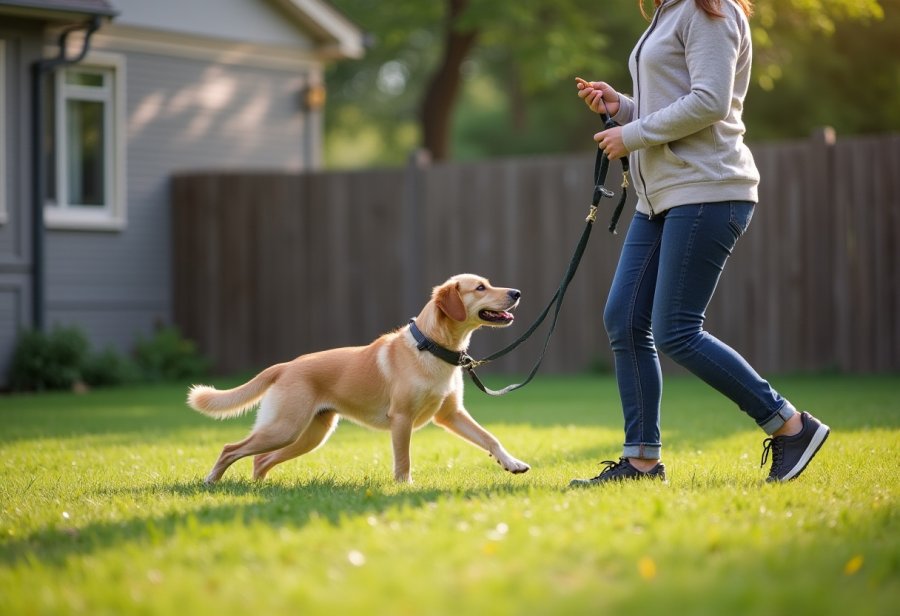
Calm dog walking techniques are surprisingly versatile, fitting seamlessly into a variety of settings and helping owners manage their pets across different environments. In busy urban areas, sticking to consistent commands like “heel” and rewarding focus can help your dog ignore noise and distractions, turning chaos into calm. Gradually practicing in these busy settings builds your dog’s confidence and teaches them to stay attentive despite the hustle and bustle.
When exploring parks or natural spaces, new stimuli like wildlife, other animals, and uneven terrain can challenge your dog’s relaxation. Introducing these elements gradually and rewarding calm behavior trains your dog to remain composed regardless of surroundings. This not only makes outdoor adventures more enjoyable but also strengthens their ability to focus amid distractions, deepening your bond of trust.
For errands such as visiting pet-friendly stores or outdoor cafes, establishing clear boundaries and rewarding calmness helps turn potentially stressful trips into bonding moments. Consistent cues and positive reinforcement ease your dog’s anxiety and promote good behavior in unfamiliar places. These outings become opportunities to reinforce training and build your dog’s confidence in varied environments.
Maintaining routines and expectations across different settings creates a sense of predictability that reassures your dog. Whether navigating crowded streets or quiet neighborhoods, applying the same calm walking techniques helps your pet internalize relaxed behavior. Over time, these consistent practices transform walks into peaceful, shared experiences that strengthen your connection.
Patience and flexibility are key. Starting in low-stimulation environments and gradually increasing complexity allows your dog to adapt without feeling overwhelmed. Every successful walk—regardless of location—reinforces calmness and trust, making routine outings more enjoyable and stress-free. With steady practice, calm dog walking becomes a natural part of your life together.
Affordable Tools and Resources for Effective Training
Training a dog to walk calmly doesn’t have to be costly. Basic gear like a sturdy leash, a comfortable collar or harness, and some treats form the foundation of effective training and are generally affordable. Investing in good-quality treats or toys can boost your dog’s motivation and reinforce positive behavior, but you don’t need the most expensive options. Simple, healthy snacks—like small pieces of cooked chicken or store-bought treats—are just as effective and easy on the budget.
If you’re considering professional help, group classes or online courses tend to be more budget-friendly than private sessions. They provide structure and expert guidance without a hefty price tag. Remember, consistent practice and patience cost nothing but time; these are often the most valuable resources in training your dog. Dedicating a few minutes each day to focused work can accelerate progress and deepen your bond.
Affordable training aids like a clicker or long line can be useful without breaking the bank. Reusing household items or making your own tools, such as a treat pouch from an old cloth or pouch, can further cut costs. Prioritizing your time and effort over expensive gadgets often leads to better results, as regular, focused practice is key.
Community resources are another valuable option. Many local shelters, pet organizations, or clubs offer low-cost or free training workshops. Some vets and pet stores also team up with trainers to offer discounts or group sessions, making professional advice accessible even on a tight budget. These opportunities can fill in gaps and give you new ideas for training.
Ultimately, effective calm dog walking depends more on your consistency and patience than on how much you spend. With thoughtful use of affordable resources and a steady routine, peaceful walks become an achievable goal. Focused effort and a positive attitude turn everyday outings into rewarding moments of trust and connection with your dog.
Executing Your Training Plan for Lasting Success
To put your training plan into action, consistency is key. Start by setting clear, achievable goals, such as walking calmly for a specific distance or maintaining focus amid mild distractions. Keep your routines simple and practice them daily, using the same commands and rewards each time. Repetition helps your dog understand what’s expected and builds a sense of security, making calm walking feel natural. Tracking your progress with notes can help identify what’s working and where adjustments are needed.
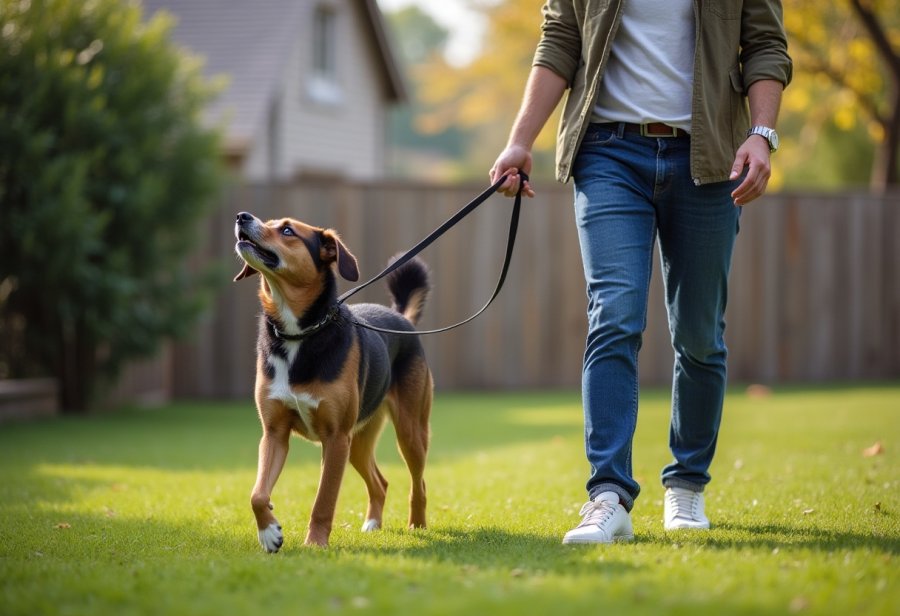
Begin training in low-stimulation environments like your backyard or a quiet street. Use a comfortable leash and collar or harness, and practice basic cues such as “heel” or “walk nicely.” When your dog stays focused and walks at your side, reward immediately with treats or praise. Keep sessions short—around five to ten minutes—to maintain your dog’s interest and prevent frustration. Overloading your dog with lengthy sessions can backfire, so patience and brevity are essential.
As your dog gains confidence, gradually introduce mild distractions, like passing cars or other dogs. Continue rewarding calm behavior to reinforce that focus and relaxation are desirable. Patience remains crucial—don’t rush the process. Small, steady steps will cement good habits over time. Increasing the walk’s length and complexity gradually ensures your dog doesn’t become overwhelmed and learns to stay composed in different situations.
Incorporate training into your daily walks, making it a natural part of your routine. Be flexible and ready to adapt your approach based on your dog’s responses. If progress stalls, try different rewards or environments to keep things engaging. Remember, persistence and patience turn these efforts into lasting habits, transforming chaotic outings into peaceful, bonding moments.
Effective implementation also involves managing setbacks without frustration. When your dog pulls or gets distracted, calmly pause and redirect their attention with a cue or a treat. Consistent correction paired with positive reinforcement helps your dog learn self-control. Celebrate small successes—they’re the building blocks of long-term change.
Keep your tone calm and confident, modeling the behavior you want your dog to adopt. Your steady leadership reassures your pet and encourages them to mirror your calmness. Over time, this consistency fosters trust and enhances your bond, making each walk a shared journey of peace and connection.
Finally, remember that patience and perseverance are your greatest allies. Training isn’t a quick fix but a gradual process that deepens your understanding of your dog. Celebrate progress, stay positive, and keep practicing. With time and dedication, calm, confident walks will become a natural, joyful part of your daily life together.
Overcoming Common Challenges with Practical Solutions
Many owners face common hurdles when working on calm dog walking, especially in unpredictable or stimulating environments. Distractions like other dogs, loud noises, or busy streets can easily pull your dog’s focus away, making it tough to maintain control. Pulling on the leash is another frequent issue, often driven by curiosity or excitement, which can turn a peaceful walk into a tug-of-war. Some dogs may hesitate or resist, especially if they feel overwhelmed or anxious, causing them to freeze or back off.
To handle distractions, start training in quieter settings and gradually introduce more stimuli. Reward your dog for staying focused when faced with new sights or sounds, reinforcing that calm attention pays off. If pulling persists, techniques like stopping when your dog tugs and rewarding them when they return to your side teach self-control. Using a gentle harness or head collar can also help manage pulling without causing discomfort, making walks more pleasant for both of you.
Resisting or hesitating often stems from fear or uncertainty. Giving your dog time to adapt and rewarding small moments of calm builds their confidence. If setbacks happen, don’t get discouraged; they’re part of the learning process. Adjust your approach by changing rewards or environments to keep your dog engaged and motivated. Patience remains key—progress might be slow, but persistence pays off.
Sometimes, persistent challenges call for professional guidance. A trainer can provide tailored strategies suited to your dog’s specific needs, helping you navigate obstacles more effectively. Remember, consistency and calmness are your best tools. With steady effort, what once seemed difficult can become part of a peaceful, trusting routine, turning frustrating walks into positive bonding moments that strengthen your relationship.

Related Posts

Unleash Endless Family Joy with Summer Outdoor Adventures
Unlock the Secrets of Mechanical Revival in Your Garage